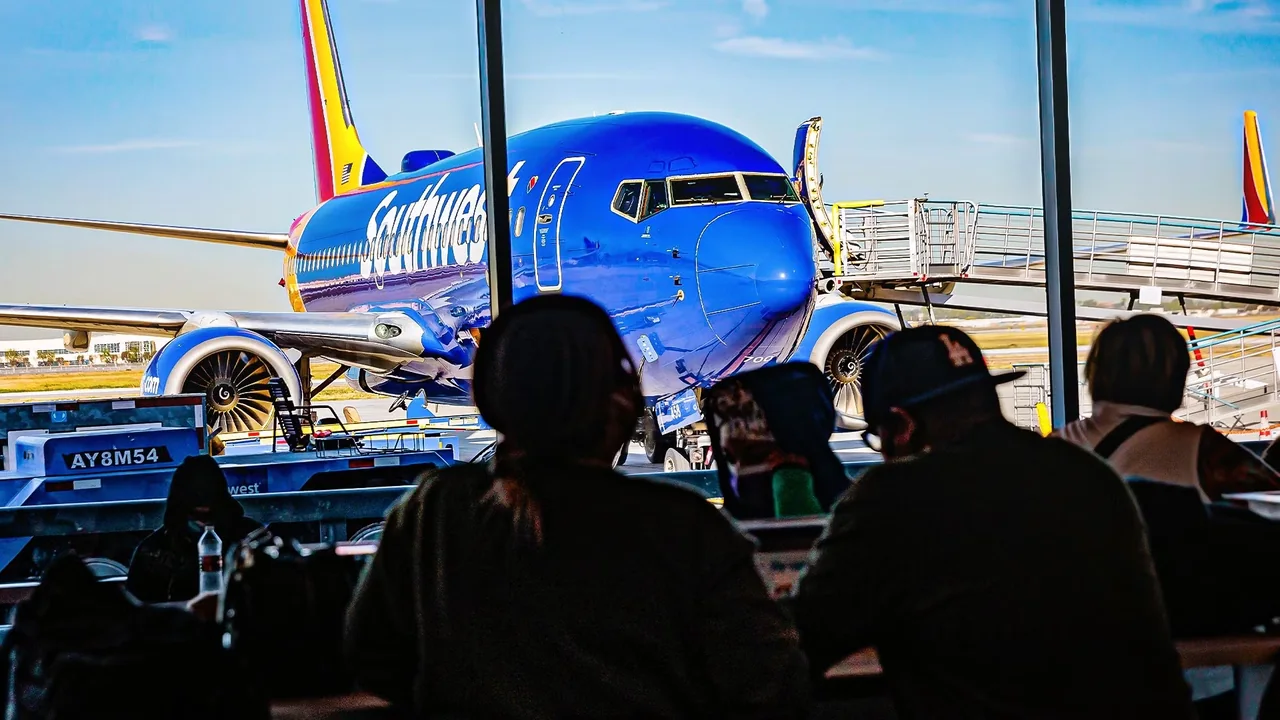
The introduction of assigned seating at Southwest Airlines marked a significant shift in the boarding process. For over 50 years, passengers checked in, received an A, B, or C boarding position, lined up at the gate, and then chose any open seat once onboard. This system was deeply tied to the low-cost carrier identity that Southwest had at the time, but it also created a major operational advantage: passengers had a reason to keep moving quickly, as the best available seats were disappearing in real time.
The new eight-group boarding process was supposed to modernize the airline and support new paid seat products. However, the initial rollout revealed a more complicated problem, leading to public backlash and prompting the airline to make refinements within weeks.
Southwest's changes went beyond just assigned seating; they also introduced new fare tiers, seat categories, loyalty benefits, credit card privileges, baggage fees, and premium bin expectations, all at once. This overhaul was not a narrow operational tweak but rather part of one of the biggest commercial changes in Southwest's history.

The airline moved to assigned seating, created Extra Legroom, Preferred, and Standard seating zones, and updated its fare bundles and loyalty benefits for flights departing from January 27, 2026. The end of open seating was not a simple operational tweak but rather a fundamental shift in the way passengers experience Southwest Airlines.
Southwest's new system simplifies the cabin structure by introducing clear seat categories and fare tiers. However, this change also reveals how difficult it is to replace a 50-year-old habit overnight, as passengers adjust to the new rules of the game.
The introduction of assigned seating changed the way passengers approach boarding. Early boarding now helps protect bin space, reducing gate anxiety and creating a more streamlined experience.

However, the airline's initial changes also highlighted the importance of clear communication and transparency. The complexity of the new system led to frustration among some passengers, who were not prepared for the rapid pace of change.
The refinements made by Southwest after the initial backlash demonstrate the airline's commitment to listening to customer feedback and adapting its operations accordingly.
As the industry continues to evolve, airlines like Southwest will need to stay agile and responsive to changing customer needs. The success of this overhaul will depend on the ability of Southwest to balance innovation with consistency and clarity.

The airline industry is constantly evolving, and Southwest's recent changes demonstrate the importance of adapting to customer needs.