


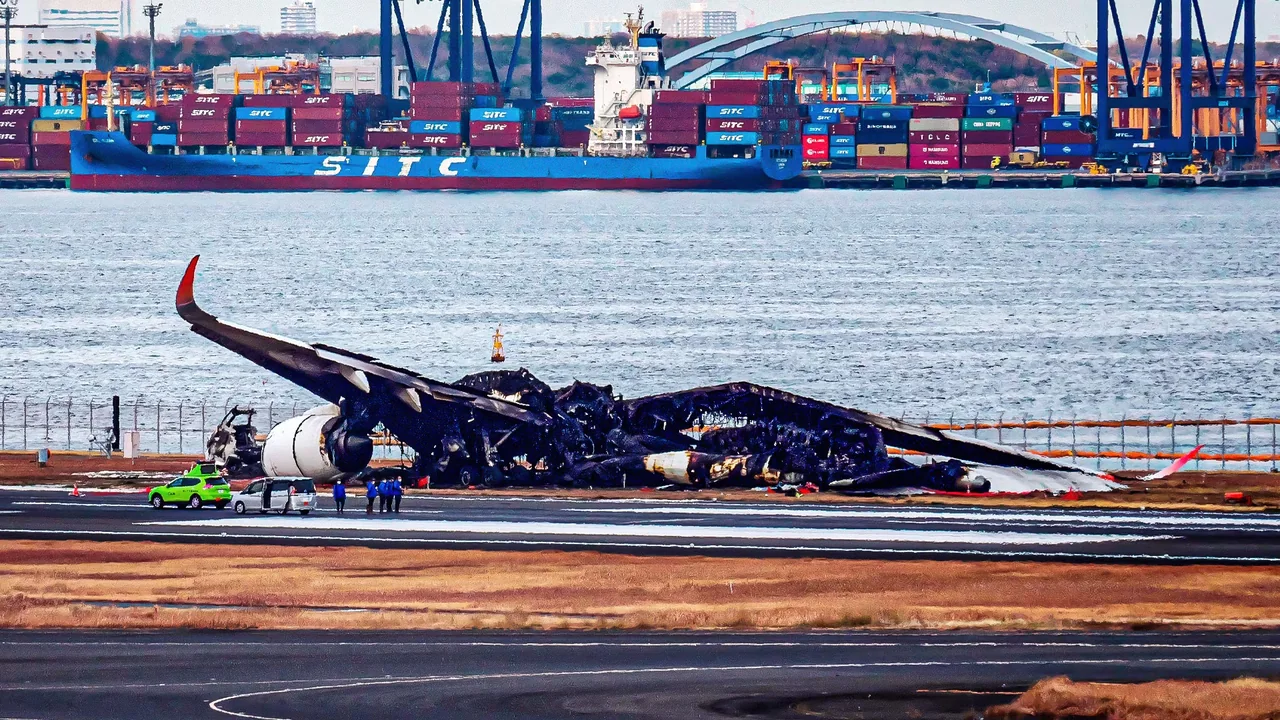
The aftermath of a commercial aircraft crash is a complex and highly regulated process. The world's attention immediately turns to the investigators, but few people consider what happens to the wreckage after it's been cordoned off. In reality, the path that material travels from the crash site to a secure forensic facility to an industrial smelter is far more complex than most people ever imagine.
The National Academies of Sciences has confirmed that traditional commercial narrowbodies like the Boeing 737 or Airbus A320 are composed of roughly 70–80% aluminum by structural weight. This figure highlights the significant role that aluminum plays in aircraft construction, and the need for careful handling and disposal of this material after a crash.
The Regulatory Hold: Why The Aluminum Stays Put is a crucial aspect of the post-crash process. In the United States, aviation accident investigation authority flows from 49 CFR Part 831, which grants the NTSB exclusive jurisdiction over accident sites and all physical evidence within them. Internationally, ICAO Annex 13 to the Convention on International Civil Aviation assigns investigative authority to the State of Occurrence and mandates the preservation of all physical evidence until a competent authority has documented and authorized its removal.

The legal and procedural framework that locks the entire site in place is designed to ensure that every piece of wreckage is handled with care. This includes creating a systematic spatial record of the debris field using GPS positioning, photogrammetry, and high-resolution video, producing a georeferenced map of every fragment before any collection begins.
The first task of structures specialists and materials engineers on arrival is to create this detailed record, which carries information about the in-flight or ground-impact breakup sequence that destroyed the aircraft. This process requires careful planning and execution to ensure that no critical evidence is lost or damaged.
Component priority governs the order of physical removal, depending on the type of accident. The Flight Data Recorder and Cockpit Voice Recorder are encased in titanium and designed to survive 3,400 g of impact, highlighting the importance of preserving these critical pieces of evidence.

The NTSB's response to a major commercial accident is organized around a Go Team — a multidisciplinary group of specialists deployed within hours of the event. This team involves over 100 technical specialists representing as many as a dozen parties and multiple federal and local government agencies.
Major investigations can be complex and time-consuming, involving multiple stakeholders and requiring careful coordination to ensure that all evidence is handled properly. The complexity of crash site management highlights the need for strict regulations and protocols to ensure that every piece of wreckage is treated with care.
The post-crash process is a critical aspect of ensuring public safety and preventing future accidents. By understanding what happens to the aluminum after a plane crash, we can gain insights into the causes of these incidents and develop more effective strategies for prevention and mitigation.

The complexity of crash site management highlights the need for strict regulations and protocols.

