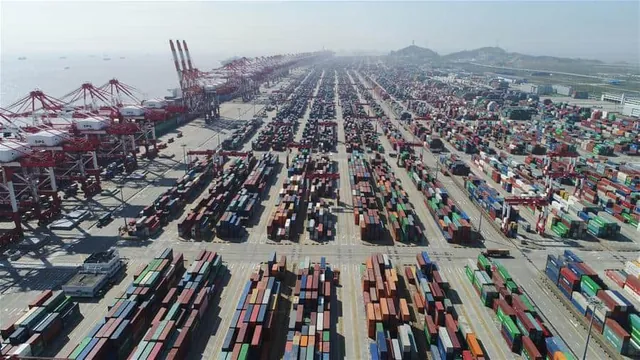

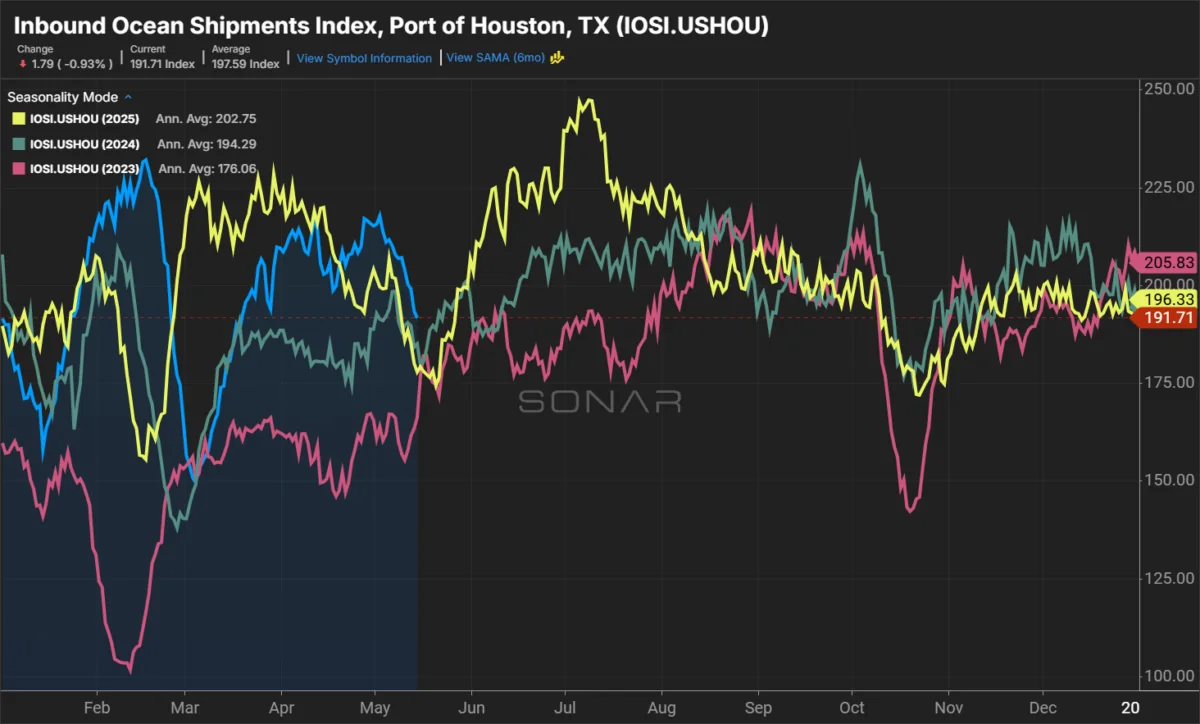
The shift in US import patterns has led to a change in the cargo distribution landscape, with Houston emerging as a key player. The growth of cargo through Houston is attributed to improvements made to the ship canal, allowing larger vessels to access the port. This has enabled heavier vessels to operate in the port, making it an attractive option for shippers looking to expand their reach.
The recent surge in bookings at Port Houston can be linked to the escalation of tensions between the US and Iran in February 2023. The increased demand for cargo capacity has been driven by changes in warehousing strategies, direct-to-consumer fulfillment, and adjustments to trans-Pacific services. As a result, Houston's popularity as a cargo hub continues to grow.
The ongoing disruptions across global trade lanes have had a significant impact on the shipping industry. Vessel congestion in Europe, soybean-export bottlenecks in South America, and instability in the Middle East are just a few examples of the challenges faced by shippers and carriers alike. The Strait of Hormuz remains closed, affecting the availability of the Jebel Ali port.
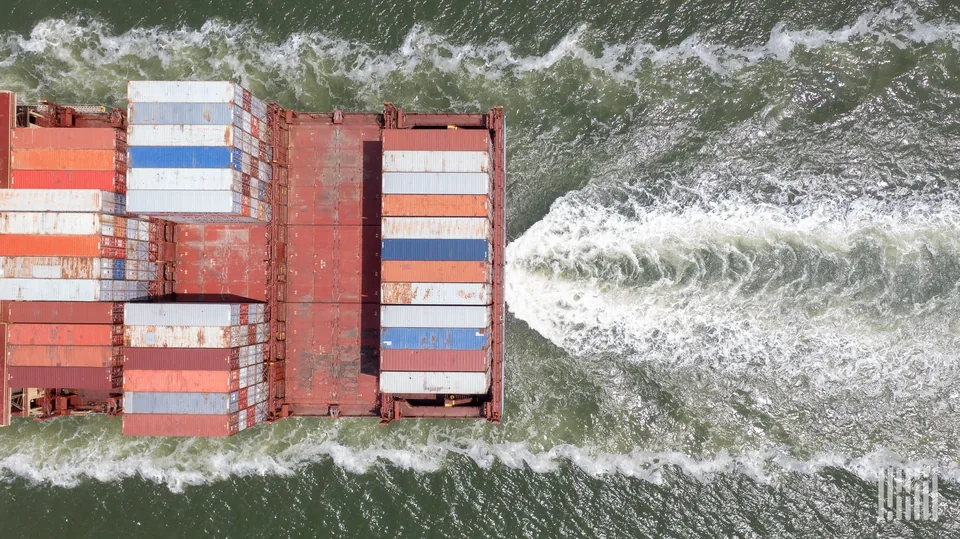
The tightening of trans-Pacific eastbound capacity in May has created a firmer supply-demand environment, with carriers now facing increased demand for cargo capacity. This has led to higher rates and fuel surcharges, putting pressure on ocean freight pricing globally. As a result, shippers can expect elevated rate levels to continue through the end of the month.
The air cargo market has entered a
Industry disruptions and trade uncertainties continue to impact global shipping.