

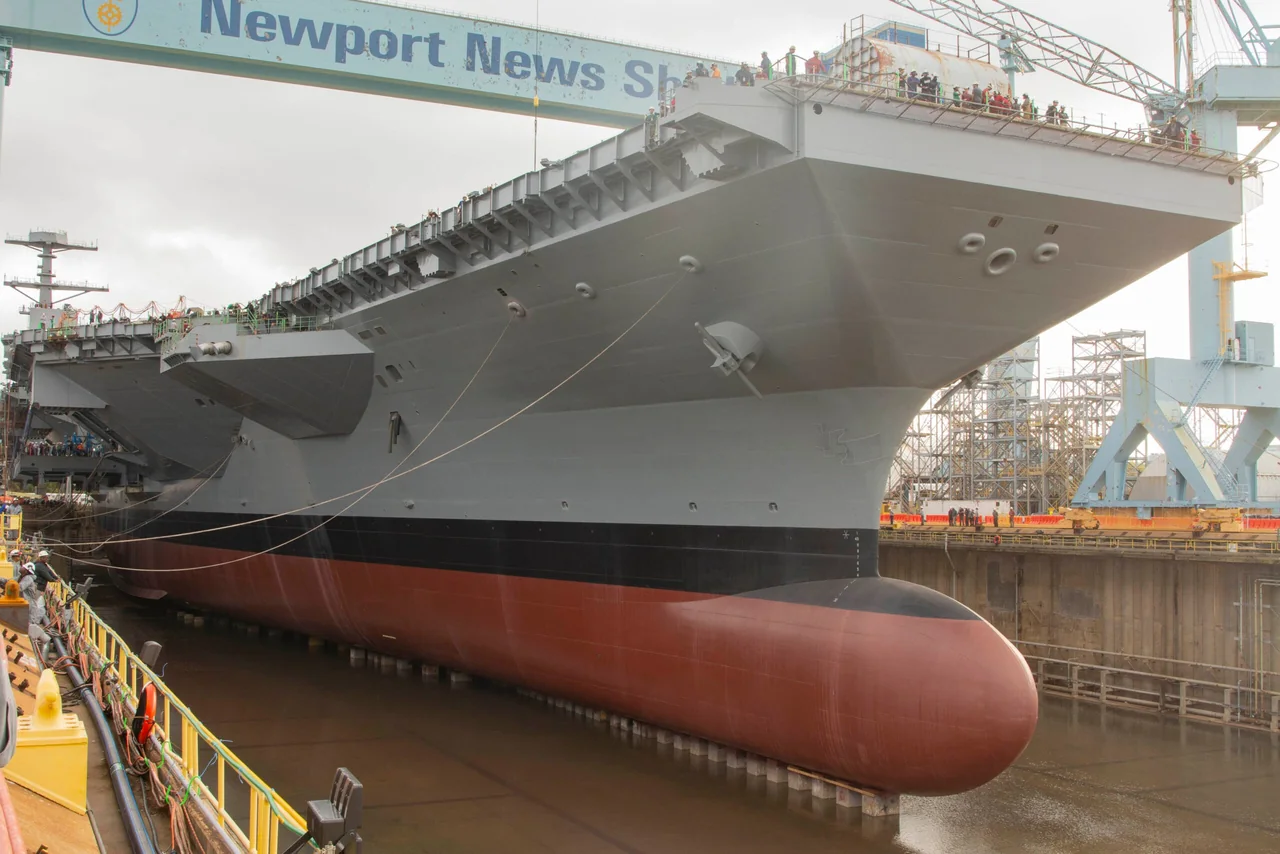
The U.S. Navy has outlined a long-term plan to expand its fleet, aiming to order 15 nuclear-powered battleships from domestic shipyards by 2055. The plan also includes the construction of more than 80 robot vessels within the next five years. This ambitious project is expected to shape the Navy's global presence and capabilities.
The Navy envisions a 450-ship fleet by 2031, comprising 299 warships, 68 auxiliary ships, and 83 unmanned vessels. This significant growth in fleet size would enable the Navy to project more power and influence globally. Acting Navy Secretary Hung Cao emphasized the importance of this expansion, stating that it would enhance the Navy's capabilities and presence.
The estimated cost of building these new battleships is approximately $43.5 billion for three ships, which would be ordered within the next five years. This investment reflects the Navy's commitment to modernizing its fleet with advanced technology and capabilities.

The Navy's plan also highlights the growing importance of unmanned vessels in its fleet. The construction of more than 80 robot vessels will enable the Navy to maintain a strong presence at sea without relying on human personnel. This development is significant for the industry, as it underscores the need for innovative solutions to address emerging threats and challenges.
The larger, more capable fleet would project more global power, Acting Navy Secretary Hung Cao said in the plan. This expansion is expected to have far-reaching implications for international relations and global security.
As the world becomes increasingly interconnected, the Navy's modernization efforts are crucial for maintaining stability and security. The construction of these new battleships and unmanned vessels will enable the Navy to respond quickly and effectively to emerging threats and challenges.
The Navy's plan is a significant development in its efforts to address the growing threat of freight fraud. The agency has outlined a 30-year plan to combat this issue, which includes the use of advanced technologies such as AI and machine learning.
The construction of these new battleships and unmanned vessels will also have implications for the supply chain industry. As shippers and rail executives prepare for the next decade, they must consider how to deploy innovative technologies such as AI in their operations.
In addition to its modernization efforts, the Navy is also focusing on reshoring freight demand. The agency has outlined a plan to reshape the industry's dynamics, which includes collaboration with government officials and shippers.
The larger fleet would enhance the Navy's capabilities and presence globally.