
Whiteman AFB's upgrades are significantly cheaper than other locations due to its existing infrastructure. The base already possesses much of the specialized equipment required for stealth bomber operations. This is in contrast to Dyess and Ellsworth AFB, which require massive rebuilds costing roughly $1.6 billion each.
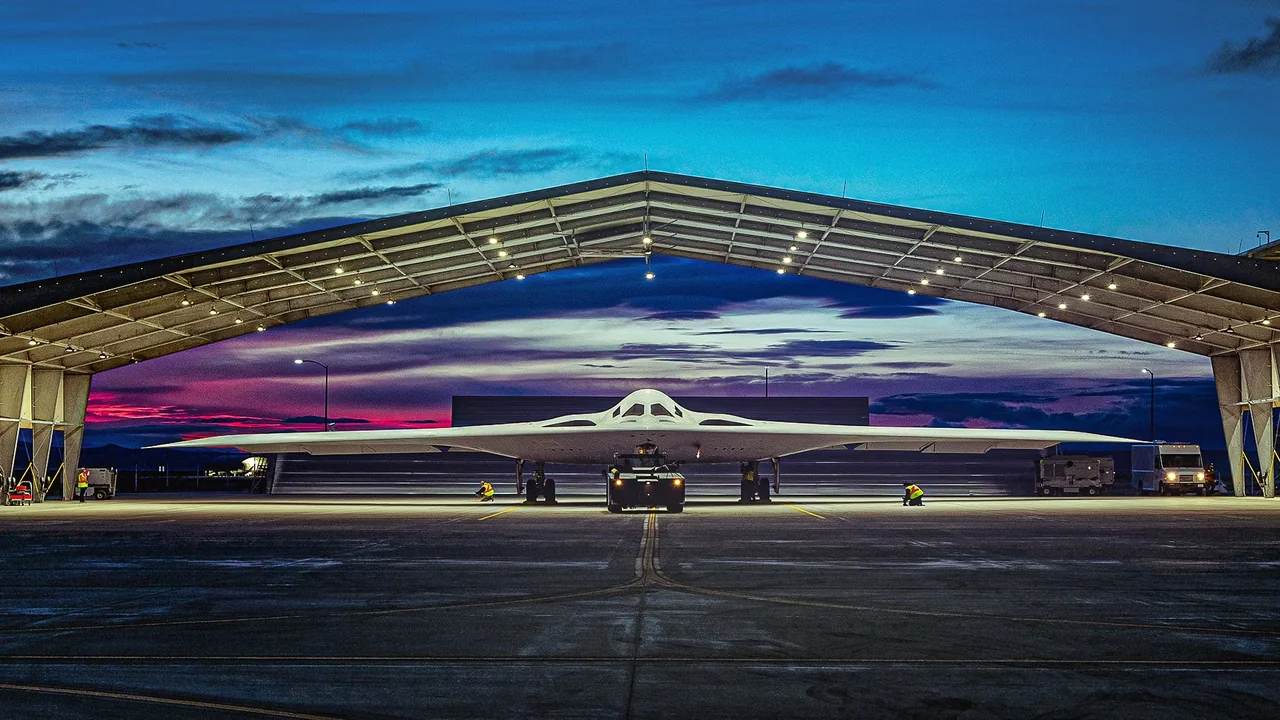
The B-21 Raider is designed to replace both the B-1 Lancer and the B-2 Spirit by the mid-2030s. The aircraft has similar dimensions and infrastructure needs to its predecessors, making it easier for the Air Force to integrate into existing facilities.
The Next Generation Of Stealth Air Power will be based on the B-21 Raider, which is significantly more cost-effective than the B-2. The estimated cost per unit is $700 million compared to the B-2's inflation-adjusted $2 billion.

The B-21 Raider will become the primary strategic strike platform for the entire US Air Force. It is expected to be complemented by the upgraded Boeing B-52J Stratofortress bomber in the new 'High-Low' fleet mix.
Whiteman AFB's upgrades are targeted and focused on specific areas, such as climate-controlled hangars and classified facilities. This approach reduces the overall cost of the project compared to other bases.
The B-21 Raider will replace the vast majority of airframes currently in service and become the dominant platform. Its smaller size and modular design make it more efficient and cost-effective than its predecessors.

Whiteman AFB's existing infrastructure also makes it an ideal location for the crucial deterrence mission. As a nuclear-capable base, Whiteman already has the necessary high-security facilities and cleared personnel zones.
The Air Force can maximize the reuse of facilities by using existing bomber infrastructure, reducing overhead and operational impact during the transition.
The Air Force can maximize the reuse of facilities, reducing overhead and operational impact.