
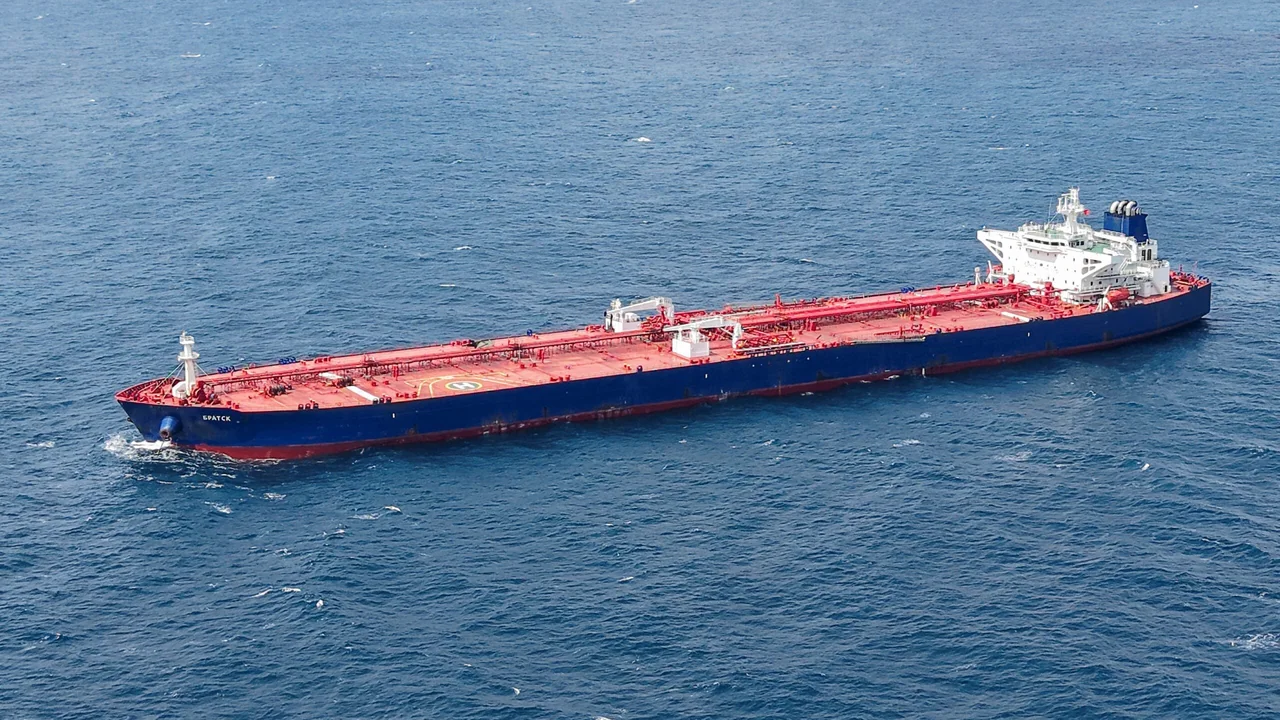
The Trump administration has allowed a waiver that encouraged more Russian crude sales to lapse, effective immediately. This move comes as global oil supplies face significant disruptions due to the Iran war. The waiver had been in place since March, allowing for purchases of some Russian oil that would otherwise be barred under US sanctions.
The expiration effectively ends for now a brief period where the administration eased sanctions on some Russian oil, enabling purchases that would otherwise be restricted. This move has sparked controversy among European allies who see sanctions as essential to starving Russia of crude revenue and depriving Moscow funding for its war in Ukraine. However, countries like India and Indonesia had lobbied the Trump administration for extended sanctions waivers, citing concerns about global market stability.
The US government has taken several steps to mitigate the impact of the energy shock, including allowing foreign vessels to carry crude and other commodities between American ports through mid-August. The International Energy Agency has described this as the biggest supply disruption in the history of the oil market. The Trump administration is also temporarily waiving some domestic fuel specifications.
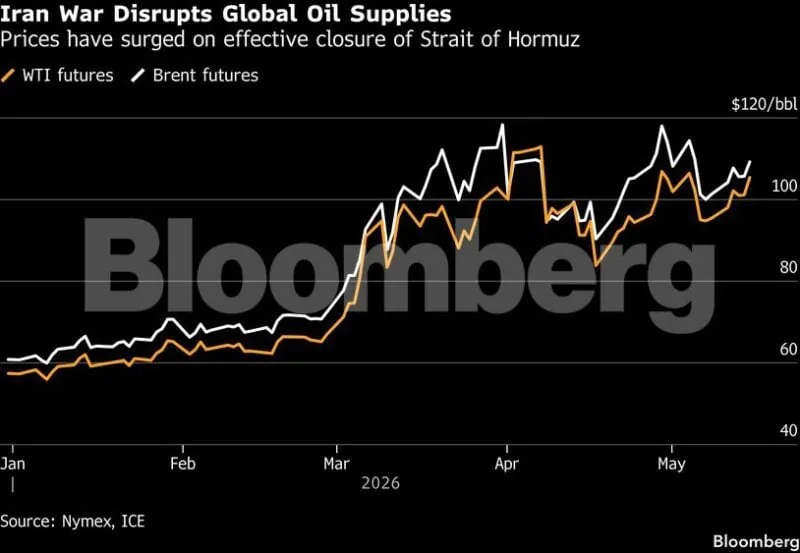
The Brent crude price surge since the Iran war began has driven higher prices for gasoline, diesel, and other products made from it. Supply disruptions tied to Hormuz have sent buyers scrambling for new cargoes, including from the US. This has significant implications for global energy markets and consumers alike.
Despite the controversy surrounding sanctions relief, some countries have benefited from the waiver, particularly those heavily reliant on crude imports. The Trump administration's pivot on this issue reflects its efforts to promote stability in global energy markets amid the Middle East conflict.
The expiration of the waiver may lead to higher fuel costs and increased reliance on alternative energy sources. As the world grapples with the challenges of climate change, the need for sustainable energy solutions becomes increasingly pressing.
Russia's crude revenue has been impacted by US sanctions, which have limited its access to lucrative markets. However, the country remains a significant player in global oil production and exports.
The Trump administration's decision on this issue reflects its ongoing efforts to balance competing interests and promote stability in global energy markets. As the situation continues to evolve, it will be important to monitor developments in this space.
The impact of the waiver expiration will be felt across various sectors, from energy trading to consumer goods. As the world adjusts to new market realities, businesses and individuals alike must adapt to changing circumstances.
As the global energy landscape continues to shift, one thing is clear: the need for cooperation and diplomacy in addressing common challenges will only grow more pressing.
The expiration of the waiver may lead to higher fuel costs and increased reliance on alternative energy sources.