
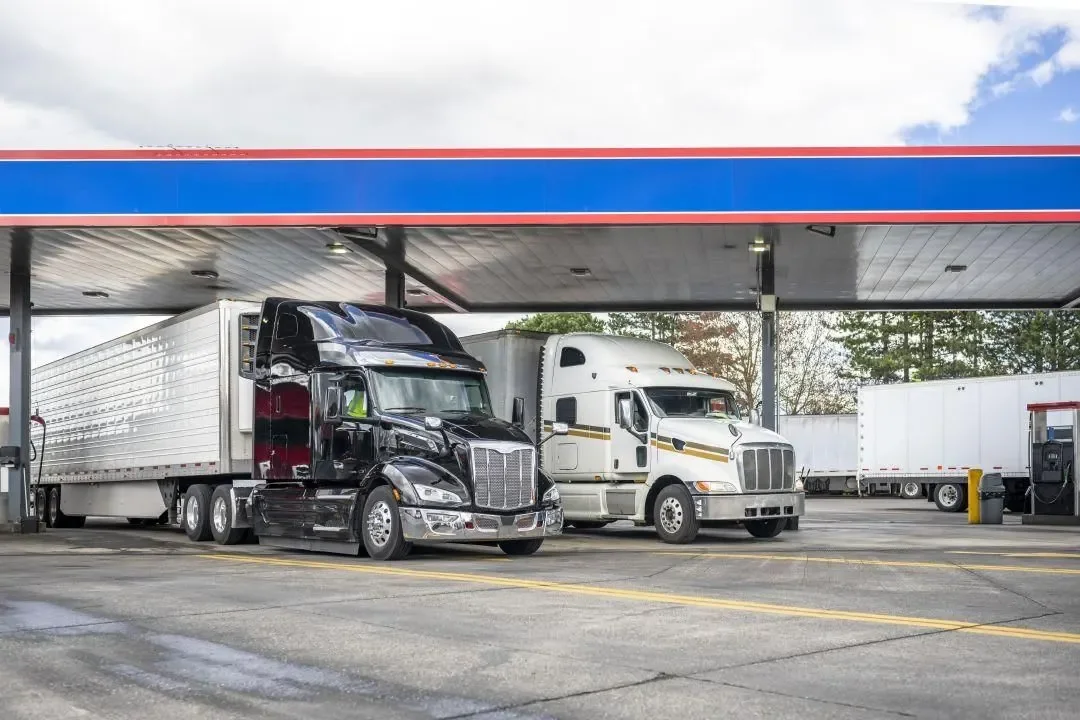
Fleet fuel efficiency is not just about buying new trucks. Small changes across drivers, routing, maintenance, and technology can lead to significant savings. When diesel fuel prices spike, fleets must find ways to improve fuel efficiency without waiting for new equipment.
In areas such as driver behavior, routing, maintenance, and technology, there are many proven ways to improve fuel efficiency. Data-driven decisions, driver coaching, cutting idle time, and more can all contribute to a fleet's overall fuel savings.
Nussbaum Transportation has consistently been honored as an HDT Top Green Fleet, with an average of over 9 mpg across its fleet last year. However, the company credits its success to data-driven decisions, driver coaching, and reducing idle time.
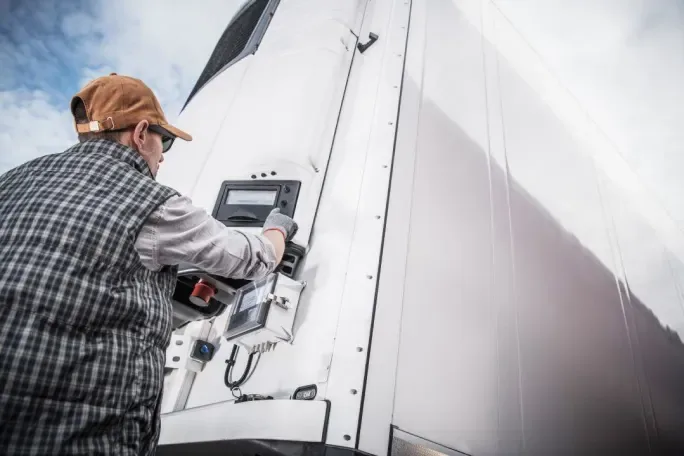
Even small spikes in diesel prices can take a bite out of margins if fuel efficiency has been allowed to drift. Fleets must be proactive in identifying areas for improvement.
One of the biggest levers for improving fuel economy is driver behavior. According to the North American Council for Freight Efficiency, truck drivers can impact a tractor-trailer's fuel efficiency by more than 20%.
Driver training and incentives are crucial tools for unlocking these fuel savings. By implementing changes such as reducing speeds, pushing cruise control usage higher, cutting out hard braking and aggressive acceleration, and discussing mpg with drivers regularly, fleets can make a significant impact on fuel efficiency.
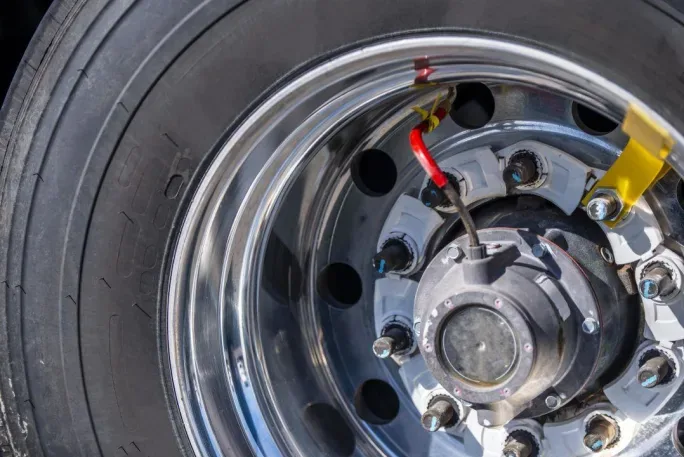
A simplified rule of thumb is that every mile per hour driven over 60 mph reduces fuel economy by one-tenth of a mile per gallon. By reducing speeds, fleets can see a fuel efficiency increase of about 27% compared to a truck traveling at 75 mph.
Fleets must be proactive in identifying areas for improvement and implementing changes across multiple systems. This includes using in-cab feedback or telematics to connect actions to fuel use and track progress over time.
Fleets can make a significant impact on fuel efficiency by implementing these small changes, which can add up to big savings over time.