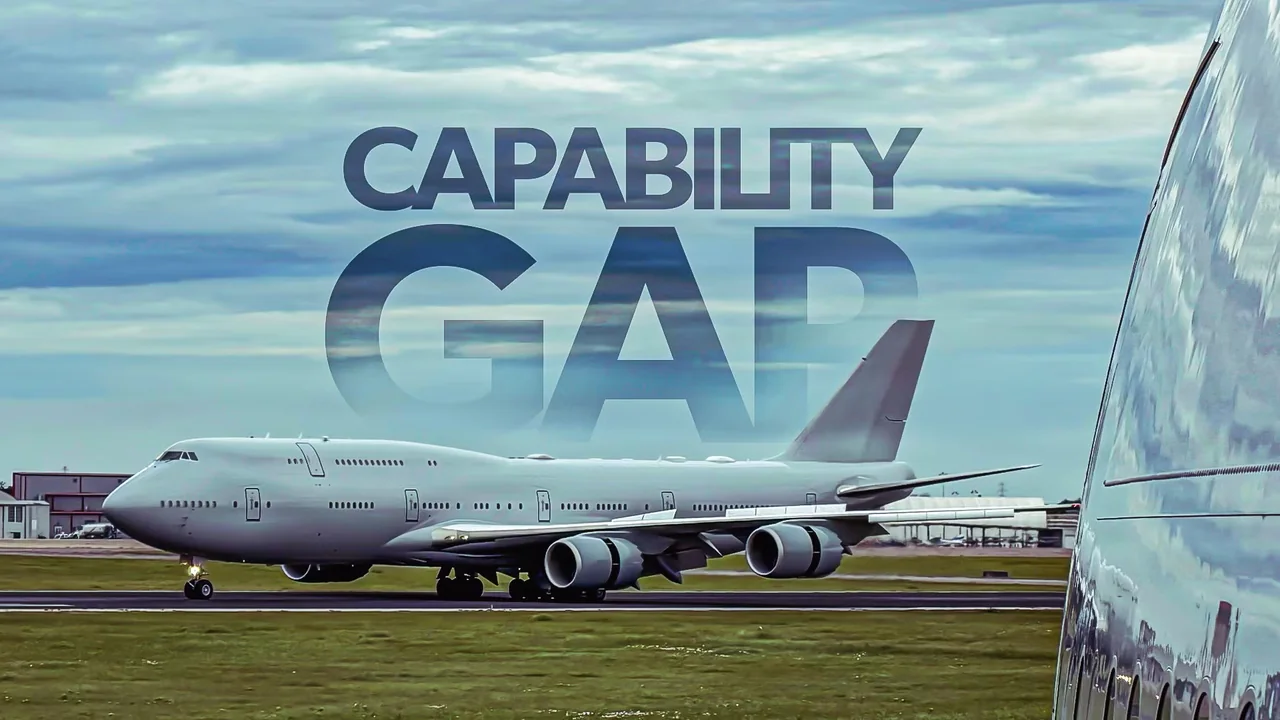
The VC-25 B Next Generation Air Force One program has been plagued by delays, leaving President Trump with a temporary solution.
A 747-8 donated by the Qatari government is being retrofitted to serve as Air Force One until 2028 or 2029.
This temporary fix raises concerns about the plane's ability to withstand potential threats.

The bridge jet lacks critical military-grade systems, including electromagnetic pulse hardening and midair refueling.
These omissions leave the aircraft vulnerable to foreign surveillance and espionage threats.
The White House has relaxed security clearance requirements for staff working on the aircraft, exacerbating the risks.

Without proper anti-spoofing measures, adversaries can interfere with navigation and onboard systems, posing a catastrophic risk to US nuclear deterrence.
Foreign intelligence agencies have attempted to tap in-flight communications to gain leverage or advance intelligence on US diplomatic and military plans.
The pressure to deliver the jet by summer 2026 has led to reports of rushed modifications, which may not be sufficient to address these concerns.

The lack of comprehensive anti-spoofing measures puts the entire nuclear command structure at risk.