
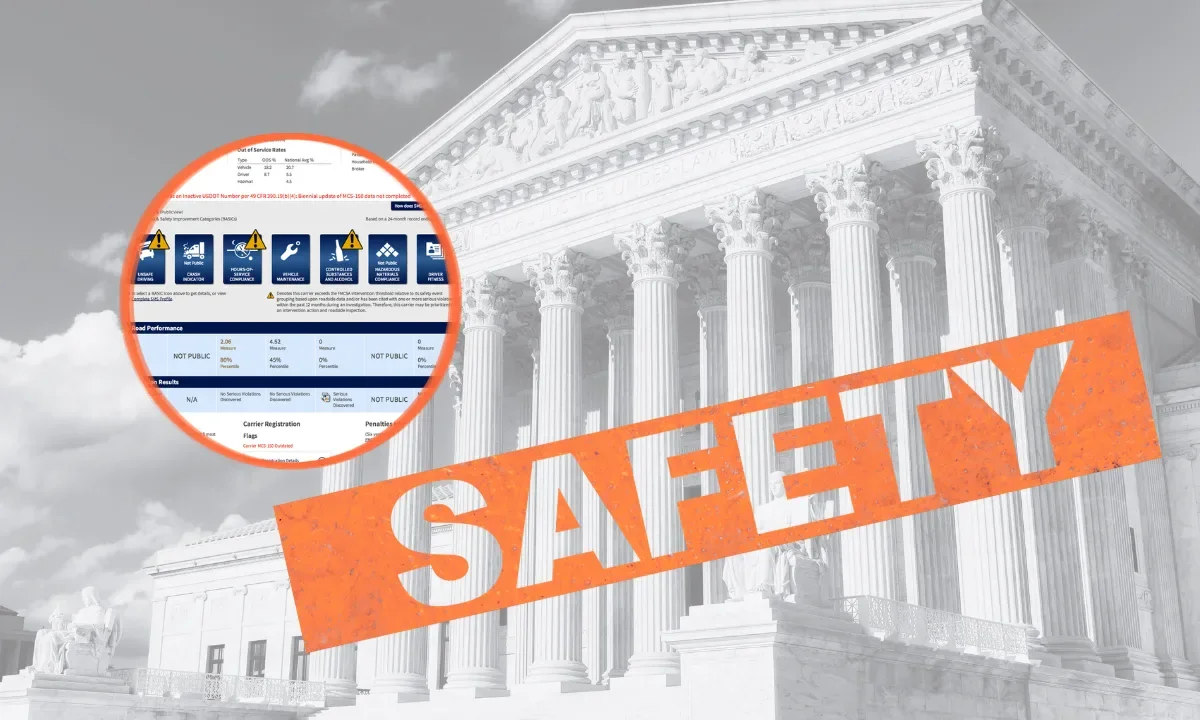
The Supreme Court's May 11 broker-liability ruling may not radically rewrite transportation law overnight, but it will intensify pressure on brokers, carriers, and shippers to prove they are prioritizing safety.s say the decision could lead to a shift towards more measurable safety accountability in the trucking industry.
While some owner-operators and small carriers fear the decision could squeeze marginal operators out of the freight market, others inside trucking are openly celebrating the ruling as a long-overdue correction to what they see as years of unchecked broker power.s believe that the ruling will have major practical consequences due to its high public profile.
The case centered on a highway crash involving a carrier hired by freight brokerage giant C.H. Robinson. At issue before the Supreme Court was whether freight brokers can be sued for negligent hiring if they select an unsafe carrier that later causes a serious crash.The Court's answer was yes, paving the way for more lawsuits against brokers, carriers, and shippers.
The decision restores a legal standard that already existed across most of the country before two federal circuits carved out temporary protections for brokers. This means that brokers can now be held liable for negligent hiring in all states, not just in certain regions.
s say that the ruling will have significant implications for the trucking industry's safety landscape. As a result, carriers and shippers may need to review their safety protocols and procedures to ensure they are meeting the new standards.
The Supreme Court's decision also highlights the importance of transparency and accountability in the transportation sector. By holding brokers accountable for selecting safe carriers, the ruling aims to promote a safer and more reliable supply chain.

While some may view the ruling as a positive step towards increased safety, others may see it as a threat to small and marginal carriers who fear they will be squeezed out of the market.s believe that the industry's anxiety around the ruling is valid, but also that it presents an opportunity for growth and improvement.
The ruling is likely to lead to more lawsuits against brokers, carriers, and shippers, which could have a significant impact on the trucking industry's bottom line. As a result, carriers and shippers will need to be prepared to defend themselves in court if they are sued for negligent hiring.
The Supreme Court's decision may intensify pressure on the trucking industry to prioritize safety, leading to potential changes in how liability is handled.