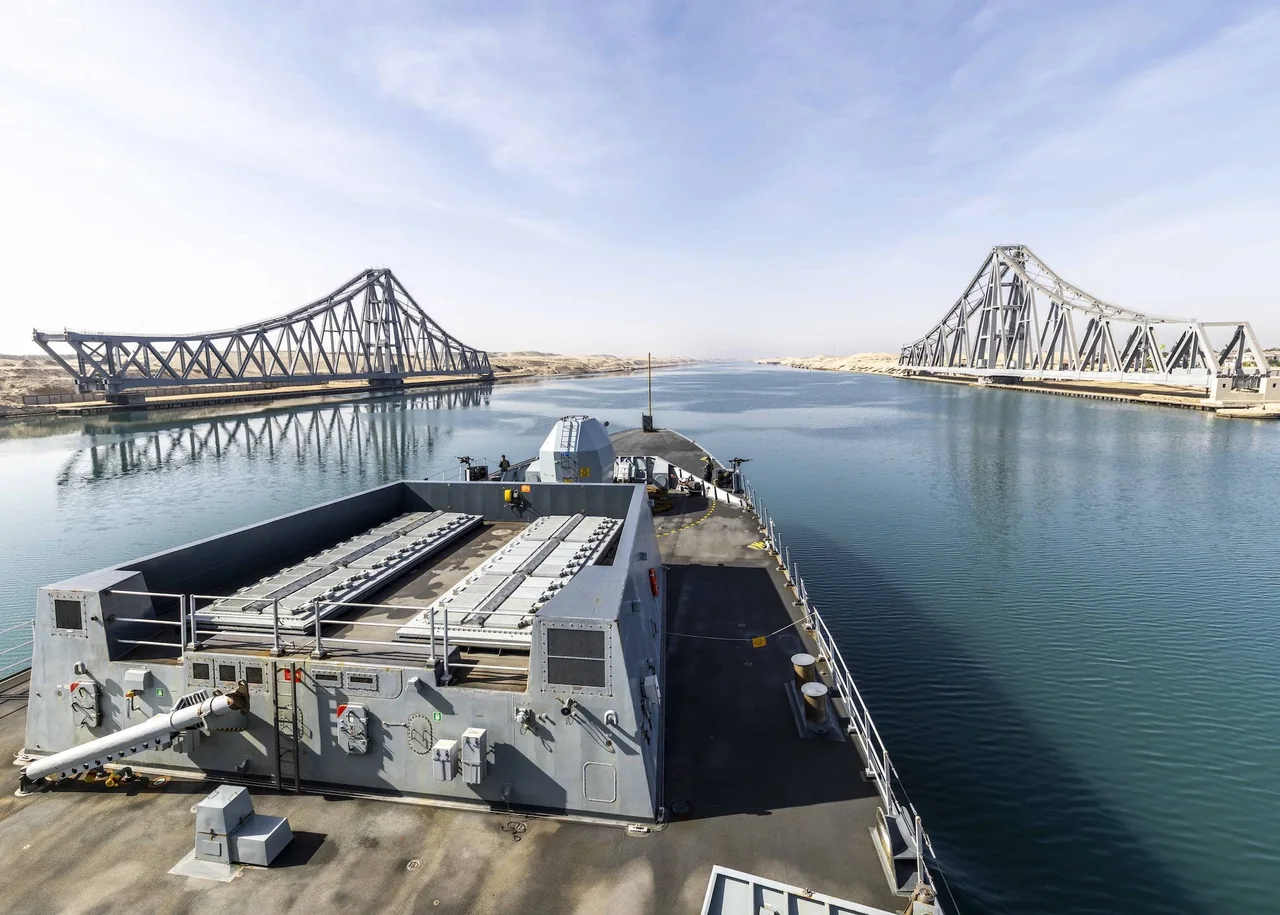
HMS Dragon, a British Type 45 destroyer, has successfully transited the Suez Canal and entered the Middle East ahead of a potential multinational mission aimed at reopening and securing the Strait of Hormuz. The move places the warship in position to support a future coalition operation focused on safeguarding commercial shipping and restoring freedom of navigation once conditions allow.
British officials have stated that the mission remains strictly defensive and would only proceed following a sustainable ceasefire. HMS Dragon left the UK in March and previously operated in the Eastern Mediterranean before shifting east toward the Gulf region.
The warship is equipped with the Royal Navy's Sea Viper air-defense missile system and supported by Wildcat helicopters from 815 Naval Air Squadron armed with Martlet missiles designed to counter drone threats.
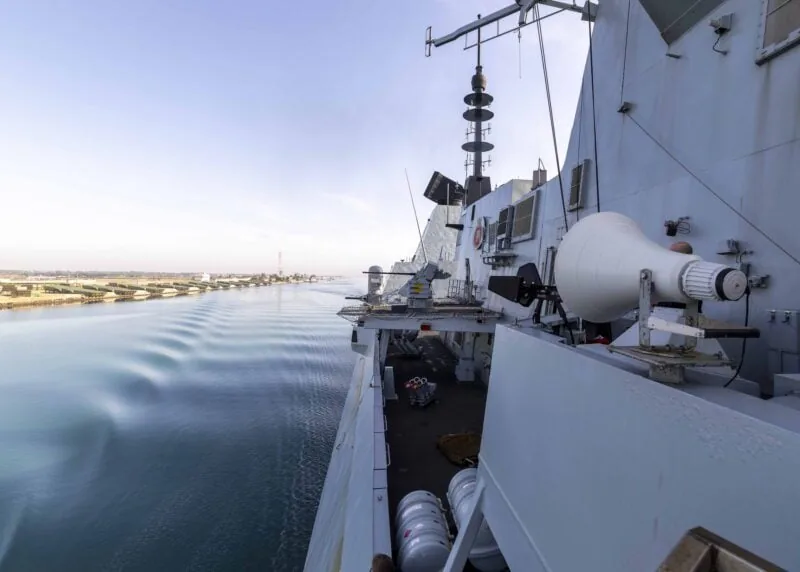
This deployment comes as NATO and allied nations continue discussing the possibility of a broader multinational maritime security operation in the Strait of Hormuz if commercial traffic does not meaningfully recover in the coming weeks and months.
The UK and France last week convened the first meeting of the so-called Strait of Hormuz coalition involving more than 40 nations, outlining plans for a joint military headquarters in the region to coordinate future operations.
HMS Dragon's forward presence could help support mine-clearance efforts, protect merchant vessels, and rebuild confidence among commercial shipowners and insurers that remain reluctant to resume normal transits through the Strait.
The deployment also follows additional weapons and sensor calibration exercises conducted off Crete at a NATO testing facility, where the ship reportedly carried out live-fire drills and high-threat readiness training.
The Strait of Hormuz remains heavily disrupted nearly three months into the regional conflict. Shipping traffic through the waterway remains far below normal levels as shipowners continue weighing risks from naval mines, drone attacks, missile strikes, and overlapping military controls in the Gulf.
Roughly one-fifth of global oil supplies transit the Strait of Hormuz under normal conditions, making it one of the most strategically important maritime chokepoints in the world.
The deployment highlights the ongoing efforts by Western nations to ensure freedom of navigation and restore trade routes in the region.