


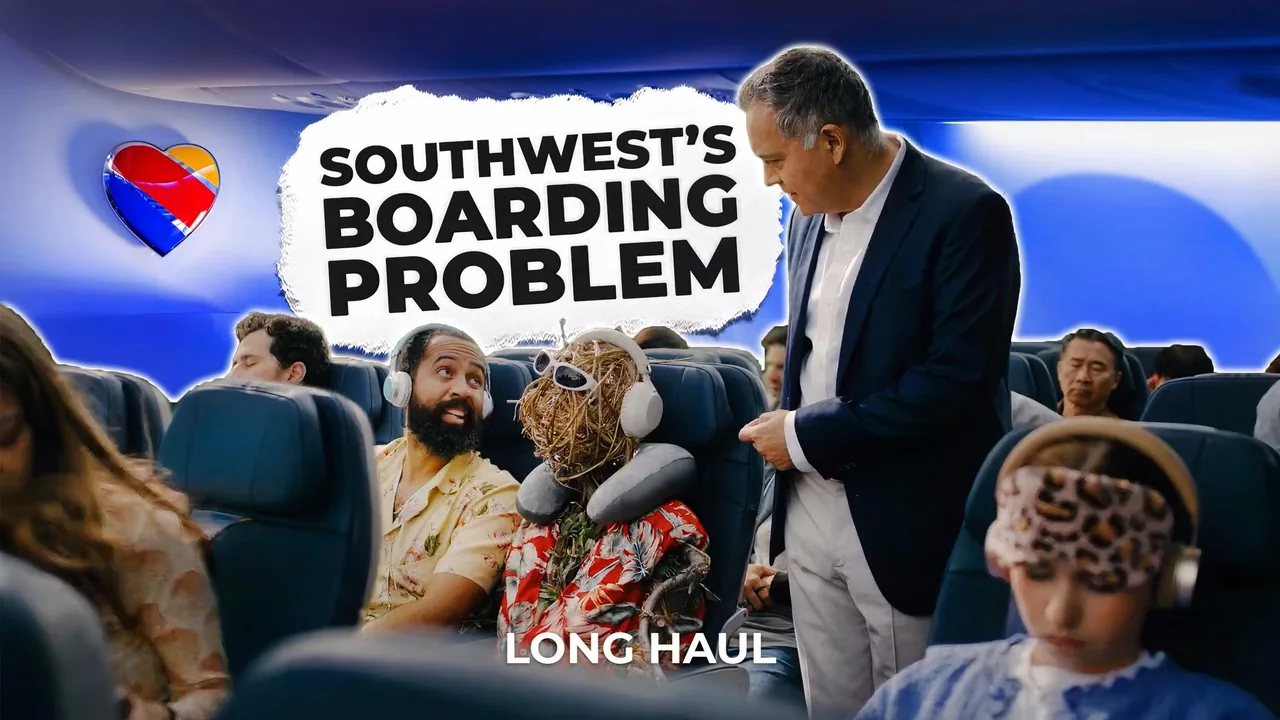
Southwest Airlines' boarding process was once a unique and recognizable ritual in US aviation, dating back over 50 years. Passengers would check in, receive an A, B, or C boarding position, line up at the gate, and then choose any open seat on board. This process was deeply tied to the airline's low-cost carrier identity.
The change in boarding process came after the launch of assigned seating, which aimed to reduce stress and increase efficiency. However, the new system has proven to be a significant challenge for Southwest Airlines.
Passengers who had previously enjoyed the flexibility of choosing their own seat were now assigned a specific spot on board. While this was intended to improve customer experience, it has instead led to operational problems with overhead bin space.
The airline's reliance on assigned seating has resulted in a surge in demand for overhead bins, leading to long lines and frustration among passengers. This has become one of Southwest Airlines' biggest operational problems, threatening the airline's low-cost carrier model.
The sudden change in boarding process has also raised questions about the airline's ability to adapt to changing customer needs. With the rise of assigned seating, Southwest Airlines must now balance the need for efficiency with the desire for flexibility and choice.
As a result of these operational problems, Southwest Airlines has been forced to revise its brand-new boarding process, which was introduced just months ago. The change is a significant departure from the airline's long-standing tradition of allowing passengers to choose their own seat.
The impact of this change on Southwest Airlines' low-cost carrier model cannot be overstated. If the airline is unable to resolve these operational problems, it may compromise its ability to offer affordable fares and maintain its competitive edge in the market.
Ultimately, Southwest Airlines must find a way to balance the benefits of assigned seating with the need for flexibility and choice. This will require significant changes to the airline's operations and may involve revising its boarding process once again in the future.


