Hong Kong-based environmental group Greenpeace had been pushing for the ban, citing air pollution and health risks. The proposed ban was intended to reduce greenhouse gas emissions and mitigate climate change. However, it appears that opposition from major stakeholders, including Honda, may have contributed to the relaxation of the policy.
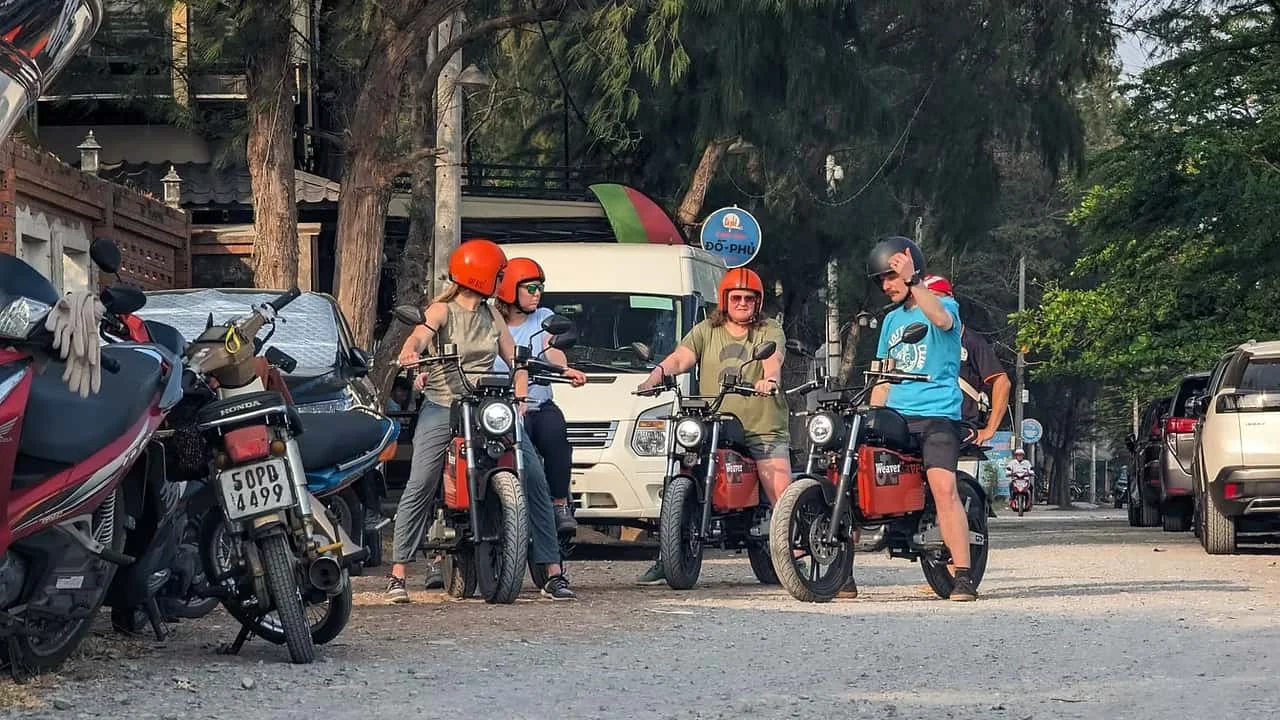
The fossil fuel ban on motorbikes in Vietnam was initially set to come into effect in 2025 but has been delayed indefinitely. The move was seen as a significant step towards reducing emissions and promoting cleaner transportation options. However, it seems that concerns about the impact on the motorcycle industry may have led to a reevaluation of the policy.
Honda is the largest seller of motorbikes in Vietnam, with over 1 million units sold annually. The company's influence on the government's decision-making process cannot be ignored. It is likely that Honda's opposition to the ban played a significant role in its relaxation or delay.
The proposed ban was intended to phase out fossil fuel-powered motorcycles by 2030. However, this goal may now be pushed back due to the relaxation of the policy. The delay raises questions about the government's commitment to reducing emissions and addressing environmental concerns.
Greenpeace had argued that the ban would not only reduce emissions but also improve public health. Air pollution from motorbikes is a significant concern in Vietnam, with many cities struggling to meet air quality standards. The relaxation of the policy may have been seen as a compromise between environmental concerns and public interest.
The decision to relax the fossil fuel ban on motorbikes in Vietnam has sparked controversy among environmental groups and health advocates. While some see it as a victory for industry interests, others argue that it sets back efforts to reduce emissions and promote cleaner transportation options.
The government's decision may have been influenced by economic concerns, including the potential impact on the motorcycle industry. However, this compromise raises questions about the effectiveness of environmental policies in Vietnam and the role of industry interests in shaping public policy.
As the world grapples with climate change and air pollution, it is clear that environmental concerns must be taken seriously. The relaxation of the fossil fuel ban on motorbikes in Vietnam serves as a reminder that policy decisions can have far-reaching consequences.
The future of transportation in Vietnam remains uncertain, with the government's decision to relax the policy leaving many questions unanswered. One thing is clear: the impact of this decision will be felt for years to come, and it is essential that policymakers prioritize environmental concerns and public health.