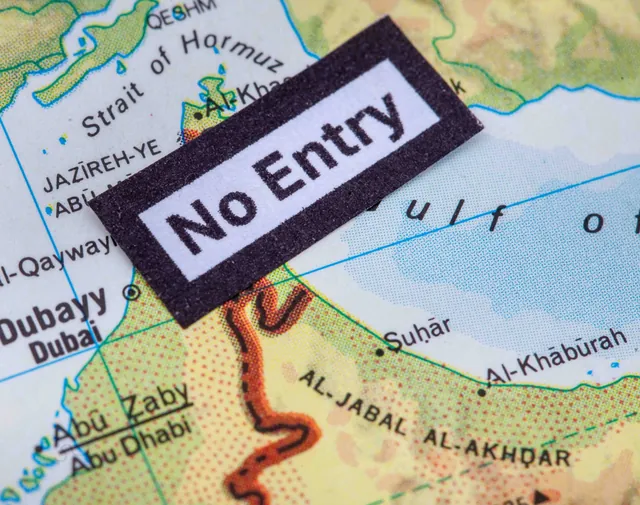
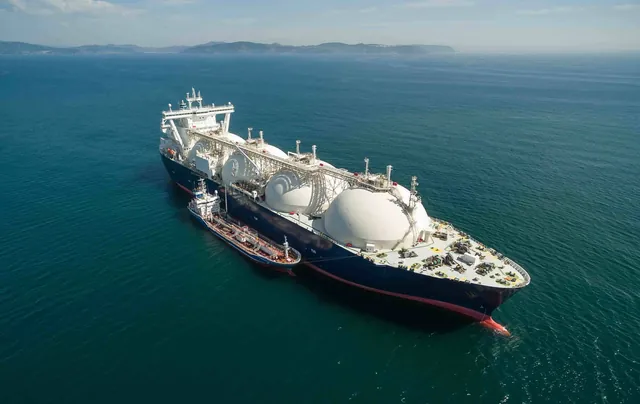
The Strait of Hormuz is a vital artery for global energy trade, and its virtual closure has led to spiraling oil prices. Control of the narrow waterway is a major obstacle in talks to end the three-month-old US-Iran war. The virtual closure of the strait has had a significant impact on the global economy, with oil prices rising by over 10% since the conflict began.
A US-Bahraini resolution on the strait has been under discussion for more than two weeks, with a vote repeatedly delayed as China and Russia signal they could veto it. The delay is due to concerns that the US text may be seen as biased against Iran, which has denied attacking ships in the strait.
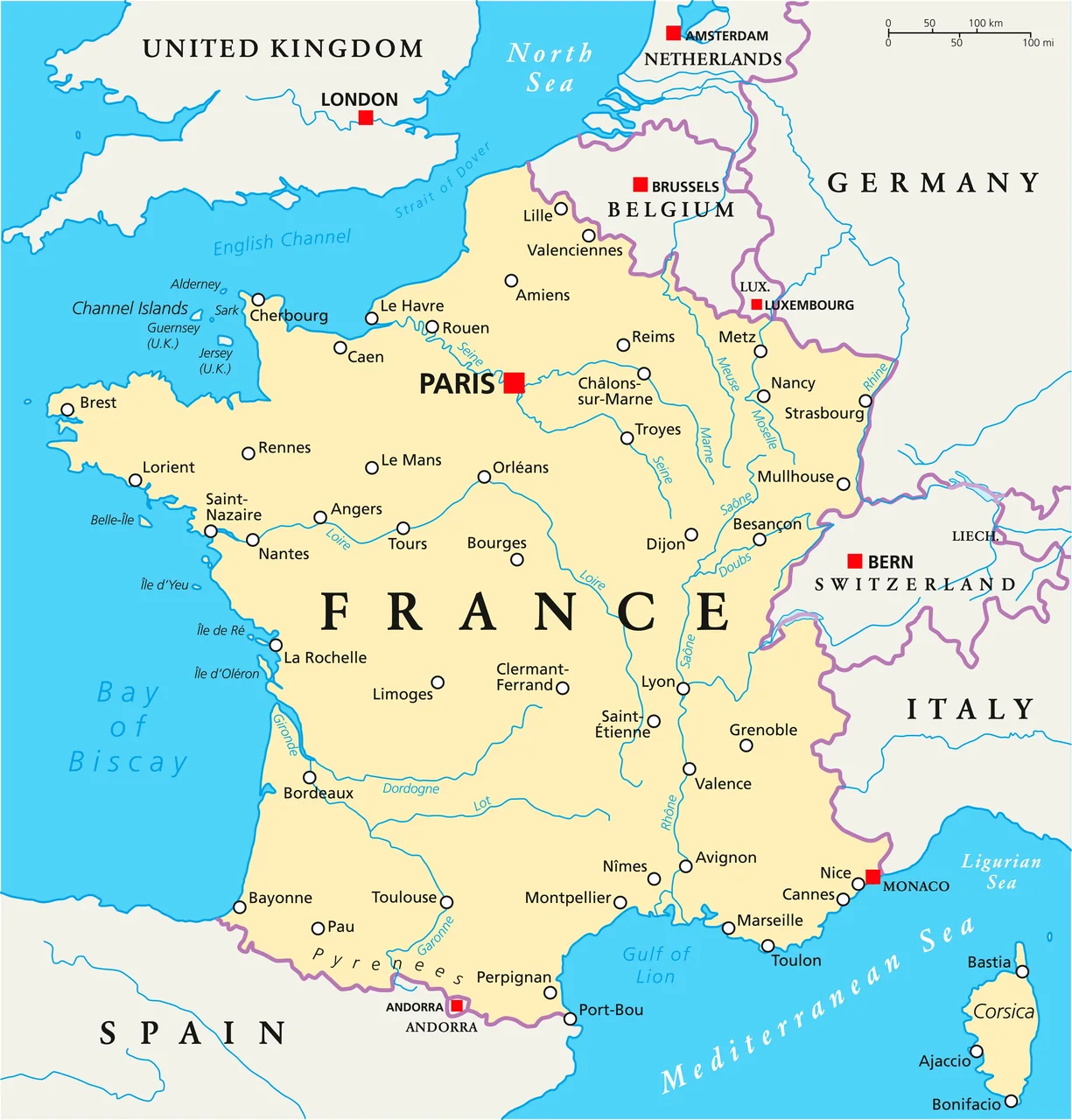
France has drafted a UN Security Council resolution on setting up an international mission to restore movement in the Strait of Hormuz. France's Foreign Ministry spokesman Pascal Confavreux said that there is a draft resolution between the US and Bahrain currently under discussion. This forms the basis of the current discussions.
The US diplomatic push at the United Nations is in stark contrast to recent months during which it has largely acted outside the UN framework, launching military strikes against Iran without seeking council authorisation and pressing allies to join ad hoc naval patrols to enforce freedom of navigation. The shift in approach may be an attempt to build support for its position on the Hormuz dispute.
Washington has secured almost 140 countries to co-sponsor its text in the hope of avoiding a veto, two European diplomats said. However, China and Russia have signaled that they could veto the US text if it is seen as biased against Iran.
France's President Emmanuel Macron has said Paris would soon push an initiative at the UN as it looks to cement Franco-British efforts to put together an international mission to restore freedom of navigation in the strait once the situation permits and after consultation with Washington and Tehran. The French president's comments suggest that France is committed to finding a diplomatic solution to the Hormuz dispute.
The draft resolution proposed by France would be discussed if the conditions are right, according to Confavreux. However, it remains unclear what those conditions might be, given the deep-seated differences between the US and Iran on the issue of Hormuz control.
The UN Security Council's failure to act on the Hormuz dispute has significant implications for global energy security. The lack of a clear resolution may lead to further tensions in the region, which could have far-reaching consequences for the global economy.
Ultimately, the success of any proposed solution will depend on the willingness of all parties involved to compromise and work towards a mutually acceptable outcome.
The Hormuz dispute highlights the challenges of international cooperation in addressing regional conflicts.