
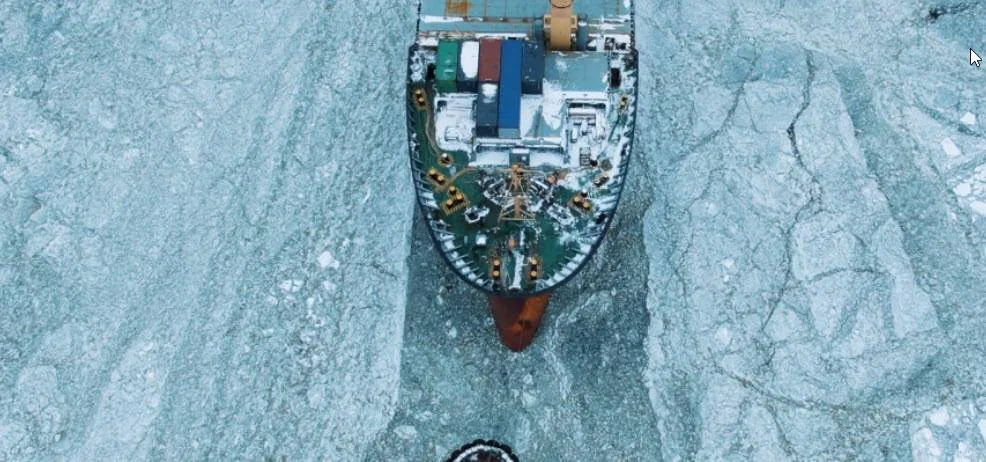
The Arctic has seen a record high in 2025 with 1812 unique ships operating in the region, according to data from the Arctic Council Working Group on the Protection of the Arctic Marine Environment. This represents a 40% increase from the initial year of data collection in 2013. The growing number of vessels is largely driven by diminishing sea ice in the Arctic, allowing for more accessible shipping routes. As a result, the distance sailed by ships in the Arctic Polar Code Area has increased significantly, with a 95% rise in nautical miles compared to 2013. This surge in shipping activity has significant implications for the region's fragile ecosystem and global energy markets.
The majority of ships entering the Arctic Polar Code area are fishing vessels, accounting for 40% of all vessels that entered the region. General cargo ships follow closely behind, representing 20% of the total number of ships. The increasing presence of these vessels is largely driven by the growing demand for natural resources in the region. The Arctic Council Working Group's data suggests that the region is becoming increasingly attractive to shipping companies looking to tap into new markets and resources.
The month of September sees the highest number of unique ships entering the Polar Code area, with 1,060 vessels arriving in 2025. This represents a significant increase from previous years, highlighting the growing importance of the Arctic as a major shipping route. The surge in shipping activity during this period is largely driven by the availability of sea ice, which provides a safe and accessible passage for vessels to navigate.
The increasing number of ships in the Arctic has significant environmental concerns, including the risk of oil spills and disruption to fragile ecosystems. As the region continues to experience diminishing sea ice, the need for sustainable and environmentally-friendly shipping practices becomes increasingly important. The Arctic Council Working Group's data highlights the need for greater regulation and oversight of shipping activity in the region.
The Mary River Mine in Nunavut has been a major driver of increased shipping activity in the Arctic. Since its operations began in 2015, bulk carrier traffic has increased substantially, with a 540% rise in the Baffin Bay area. The mine's iron ore deposits have made it an attractive target for shipping companies looking to tap into new markets and resources.
The Yamal Gas Project has also had a significant impact on Arctic shipping activity. Prior to its launch, gas tankers were minimal in the region, but now several vessels transport natural gas from Yamal directly to foreign markets, including Asia. The project's custom-designed LNG carriers have enabled year-round navigation, increasing the number of unique gas tankers in the Polar Code area by 40.
The growing demand for natural resources in the Arctic is driving the increase in shipping activity. As companies look to tap into new markets and resources, they are increasingly turning to the Arctic as a major shipping route. This has significant implications for global energy markets and the environment, highlighting the need for greater regulation and oversight of shipping activity in the region.
The increasing number of ships in the Arctic poses significant environmental concerns, as it disrupts fragile ecosystems and increases the risk of oil spills. As the region continues to experience diminishing sea ice, the need for sustainable and environmentally-friendly shipping practices becomes increasingly important. The Arctic Council Working Group's data highlights the need for greater regulation and oversight of shipping activity in the region.
The future of Arctic shipping is uncertain, but one thing is clear: the region will continue to play an increasingly important role in global energy markets. As companies look to tap into new markets and resources, they will need to balance their business needs with environmental concerns and sustainable practices. The Arctic Council Working Group's data provides a critical insight into the growing importance of the Arctic as a major shipping route, highlighting the need for greater regulation and oversight of shipping activity in the region.
The increasing number of ships in the Arctic also raises questions about the long-term sustainability of this trend. As the region continues to experience diminishing sea ice, the need for sustainable and environmentally-friendly shipping practices becomes increasingly important. The Arctic Council Working Group's data highlights the need for greater regulation and oversight of shipping activity in the region, ensuring that the benefits of increased shipping are shared by all stakeholders.
The increasing number of ships in the Arctic poses significant environmental concerns, as it disrupts fragile ecosystems and increases the risk of oil spills.