

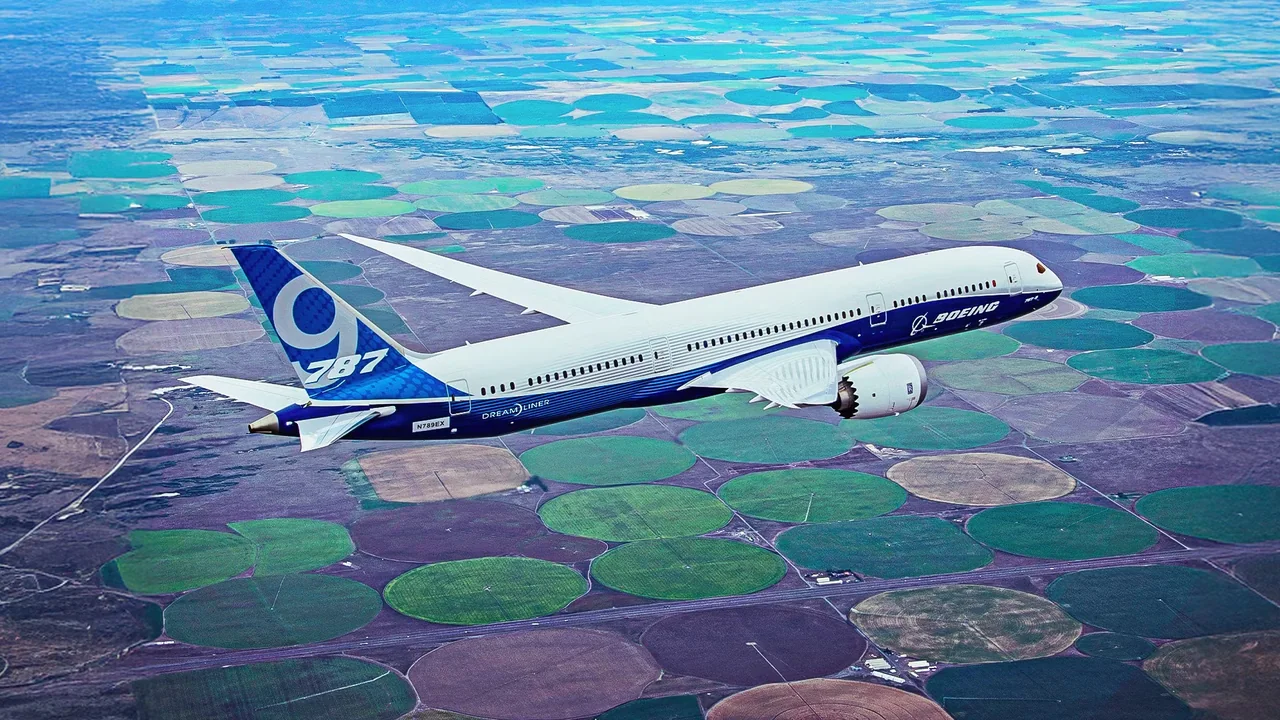
The Boeing 787 Dreamliner entered service in 2011, marking a significant shift in long-haul aviation. At that time, giant hubs and large aircraft dominated the industry. Airlines relied on airports like Heathrow, Dubai, and Frankfurt due to the high costs of operating older widebodies on lower-demand routes.
This gamble by Boeing reshaped global aviation over the past 15 years. The 787 has accumulated significant orders and deliveries, enabling airlines to launch more than 370 new nonstop routes once considered commercially unrealistic.
The aircraft's fuel efficiency, lower operating costs, and passenger-focused cabin design made direct long-haul flights between secondary cities viable. This fundamentally changed the comfort, geography, and economics of modern air travel.

Before the 787, airlines faced a difficult balancing act on long-haul routes. Large aircraft required consistently high passenger demand to remain profitable, leading to many city pairs being forced to connect through major hubs.
The Dreamliner transformed those calculations by combining long range with relatively moderate seating capacity. Depending on the variant and airline configuration, the aircraft typically carries between 240 and 330 passengers while maintaining a range of up to 7,565 nautical miles.
At the same time, it reduced fuel consumption by approximately 20-25% compared with older twinjet aircraft such as the 767 and early A330 models. Those lower operating costs allowed airlines to serve routes previously considered financially unrealistic.
The results were dramatic. Since entering service, the 787 family has reportedly enabled more than 370 new point-to-point international routes and operated on over 2,000 unique city pairs worldwide.
The shift to midsize long-range aircraft has had a profound impact on the aviation industry, enabling airlines to tap into previously untapped markets and providing passengers with greater convenience and flexibility.
The shift to midsize long-range aircraft has transformed the economics of air travel.


