


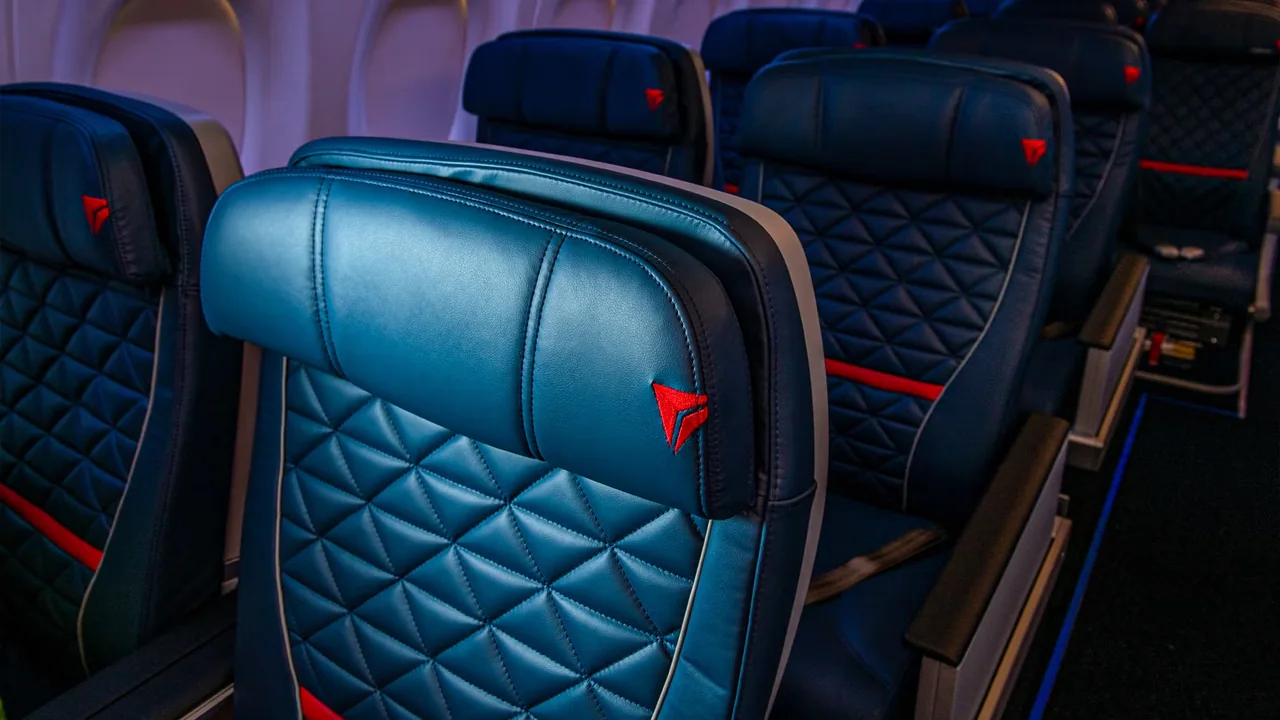
The traditional notion of upgrading to first class was once a prime opportunity for elite members. Airlines used to be more generous with allowing upgrades, and frontline employees had the freedom to make decisions based on their own judgment. However, this approach has largely been phased out, with gate agents and flight attendants now strictly adhering to upgrade policies. This shift has led to a significant decrease in the availability of complimentary upgrades, making it increasingly difficult for passengers to score a free upgrade, even when seats are empty.
The game of upgrades has become a challenging one, where elite members work tirelessly to earn more miles and points for status, but often struggle to maximize their value. The limited inventory of available upgrades means that only a select few can enjoy the perks of first class, leaving many high-earning frequent flyers feeling frustrated and disappointed.
The airline industry has undergone significant changes in recent years, with airlines now selling most first class seats to customers rather than relying on upgrades. This shift is largely attributed to the drastic reduction in prices for premium cabins, making them more accessible to a wider range of passengers.

In the past, US airlines priced first class significantly higher than economy, but this has changed in recent years. Today, first class may be priced two or three times what economy costs, leading to an increase in demand for these seats. The reduced price point has also decreased the appeal of simply buying first class rather than upgrading.
The airline industry's shift towards a spend-based loyalty program system has further complicated the upgrade process. Elite frequent flyers are now required to hold a co-branded credit card to earn a large number of points, making it harder to achieve elite status.
According to recent data, US airlines sell around 90% of their first class seats, with similar figures reported by peers. This indicates that the demand for premium cabins has increased significantly in recent years.

The general increase in premium demand has led to a more competitive market, where airlines are now vying for customers willing to pay for premium experiences. As a result, the traditional upgrade system has become increasingly outdated.
Despite the changes, elite frequent flyers still have some opportunities to score upgrades. However, these are often limited and require careful planning and strategy.
The airline industry's shift towards monetizing premium cabins has had a significant impact on the way upgrades are handled. As airlines continue to prioritize revenue over generosity, passengers can expect even more stringent upgrade policies in the future.

The shift towards monetizing premium seats has led to a more competitive market.


