The structural differences between Airbus and Boeing commercial jets are most apparent in their cockpit designs, reflecting fundamentally distinct approaches to human-machine interface engineering. This divide has profound implications for how flight crews interact with automation during critical flight regimes. As a result, understanding the underlying motives behind these competing philosophies is crucial for modern aviation engineering.
The historical shift from mechanical control cables to electronic processing played a pivotal role in shaping the cockpit architectures of Airbus and Boeing commercial jets. Boeing's emphasis on traditional mechanical sensations and pilot supremacy led to the development of flight decks that prioritize human intervention, whereas Airbus opted for an ecosystem centered around computer algorithms as a safety envelope. This fundamental difference in approach has far-reaching consequences for real-world handling characteristics.
The core question of who holds ultimate authority over the aircraft in extreme flight conditions is at the heart of the debate between Airbus and Boeing cockpit philosophies. For Airbus, digital envelope protection is paramount, with onboard computers acting as an absolute safety shield to prevent pilots from exceeding structural or aerodynamic limits. In contrast, Boeing's approach prioritizes human pilot authority, allowing crews to physically override automated constraints in emergency situations.

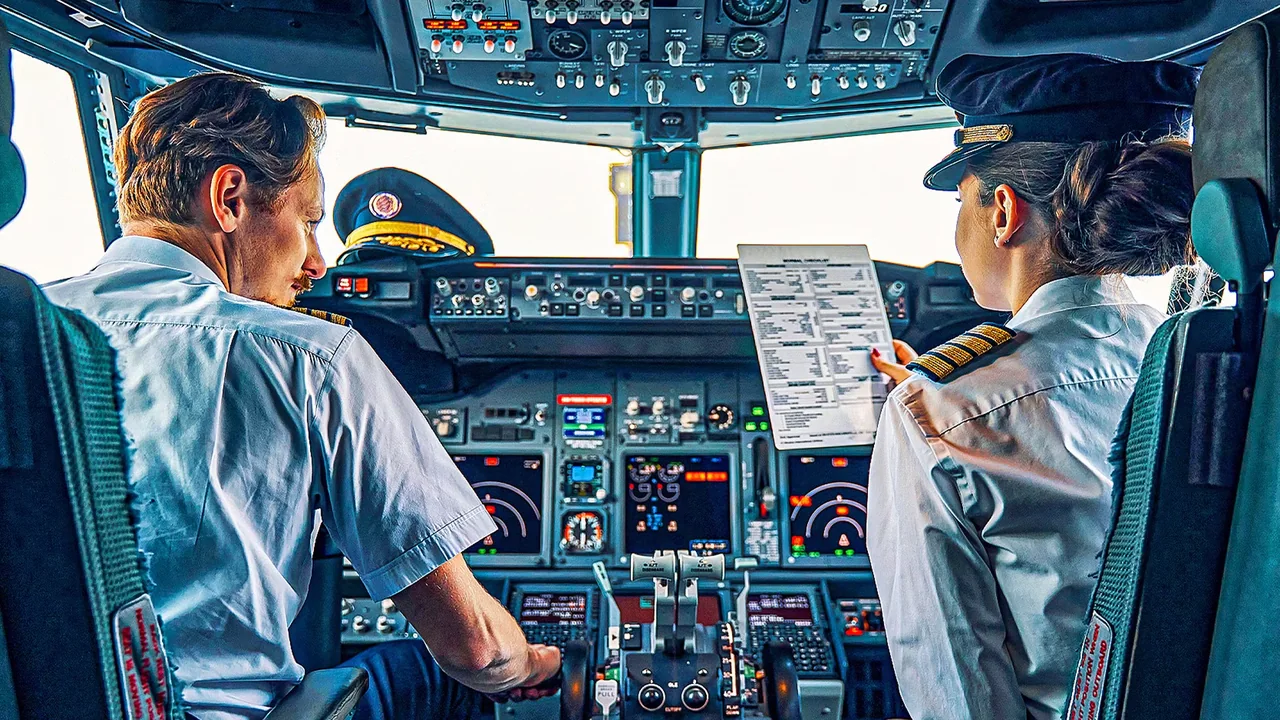
The primary flight controls of Airbus and Boeing flight decks serve as a visible manifestation of these differing philosophies. The compact sidestick mounted on the outboard console of an Airbus cockpit transmits electronic requests to computers that manage pitch trim and path trajectory. In contrast, the large control yoke of a Boeing flight deck provides high tactile and visual feedback across the entire crew station.
The divergence in cockpit philosophies between Airbus and Boeing emerged during the digital revolution of the 1980s, when Airbus introduced the A320 with automated flight laws to reduce pilot workload. Boeing, however, chose a more conservative approach, waiting until the development of the widebody 777 in the 1990s to implement its own electronic control architecture.
The implementation of digital systems by both manufacturers has significant implications for aircraft designers and operators. Balancing physical space requirements with pilot fatigue is crucial, as well as ensuring crew coordination and immediate situational awareness.

Aircraft designers must navigate these competing demands when designing modern commercial jets. The differing philosophies have significant implications for crew training and automation integration, highlighting the need for a nuanced understanding of human-machine interface engineering.
The contrasting cockpit architectures of Airbus and Boeing commercial jets underscore the importance of considering multiple perspectives in aviation engineering. By examining the underlying motives behind these competing philosophies, designers can create more effective and efficient flight decks that prioritize both safety and crew well-being.
As the aviation industry continues to evolve, the debate between Airbus and Boeing cockpit philosophies will remain a crucial aspect of modern aviation engineering. Understanding the fundamental differences in approach and their implications for real-world handling characteristics is essential for creating safer and more efficient commercial jets.

The differing philosophies have significant implications for crew training and automation integration.