The US Coast Guard has announced the award of two contracts to build up to six Arctic Security Cutter icebreakers, marking a major step forward for America's national security in the Arctic region. The decision process encompasses more than just security, as it announces a significant shift in the US shipbuilding process. A second round of contracts was approved February 11, 2026, involving Davie in Canada and its recently purchased shipyard facility in Port Arthur, Texas, under a similar agreement and process.
The initial contracts were awarded to Rauma Marine Constructions Oy of Rauma, Finland, and Bollinger Shipyards, resulting from the Federal Administration's collaboration with Finland. This historic move reestablishes US shipbuilding, as 'foreign' built deliveries will prove to be an important milestone in this endeavor. The recent Maritime Action Plan describes the construction partnerships as a 'Bridge Strategy,' which includes plans with Japan and Korea.
The contract with Rauma Marine Constructions Oy includes up to two ASCs to be built in Finland, with delivery of the first vessel expected in 2028. In contrast, the contract with Bollinger Shipyards includes up to four ASCs to be built in the United States, with delivery of the first domestically built cutter expected in 2029. Rauma designs roughly 80% of worldwide icebreakers and builds approximately 60% of international breaker tonnage.
This collaboration between the two yards is designed to take immediate advantage of Finland's icebreaker expertise while coordinating the follow-on construction in the United States with a solid supply chain. Moreover, it meets 2028 timing to place US breakers in the water and NATO's 'Arctic Sentry' increased military presence of NATO allies in the region.
The contract process goes beyond National Security and reaches into the current US shipbuilding debate. Historically, US construction begins prior to completing a full production design, but this program allows domestic icebreakers to be built from a fully completed and modeled design package with US Vessel Construction Managers attending during construction.
As the domestic industry highlights the urgent need for skilled shipbuilding labor, the ASC program has been supported by the US Department of Labor (ILAB) through the International Workforce Development Initiative to provide sustainable, quality training paths along with integrating Finnish shipbuilding practices utilized during the ASC construction program.
The NEXTSEAS program is developing partnership arrangements with Satakunta University of Applied Sciences addressing engineering, robotics, and automation training. Länsirannikon Koulutus Oy WinNova is building shipbuilding skills of welding, machining, electrical, rigging, and safety while Massachusetts Maritime Academy is the US curriculum partner translating Finnish practices to US shipbuilding opportunities and aligning the training with Rauma Marine Constructions advanced production practices.
While we debate shipyard capacity, greenfield development, and 'shipyards of the future,' this forward-thinking decision by the current Administration and the USCG prior to the MAP releases is addressing true shipbuilding problems and gathering experienced partners to expedite our maritime capabilities.
The Amtech Network has commercial 'Ice Class' construction and repair experience along with Ice operations in Alaska, St Petersburg, Russia, the Great Lakes, and Nova Scotia. They are prepared to support the ASC program. More importantly, it is crucial for the US to understand the new northern passage market well beyond military involvement.
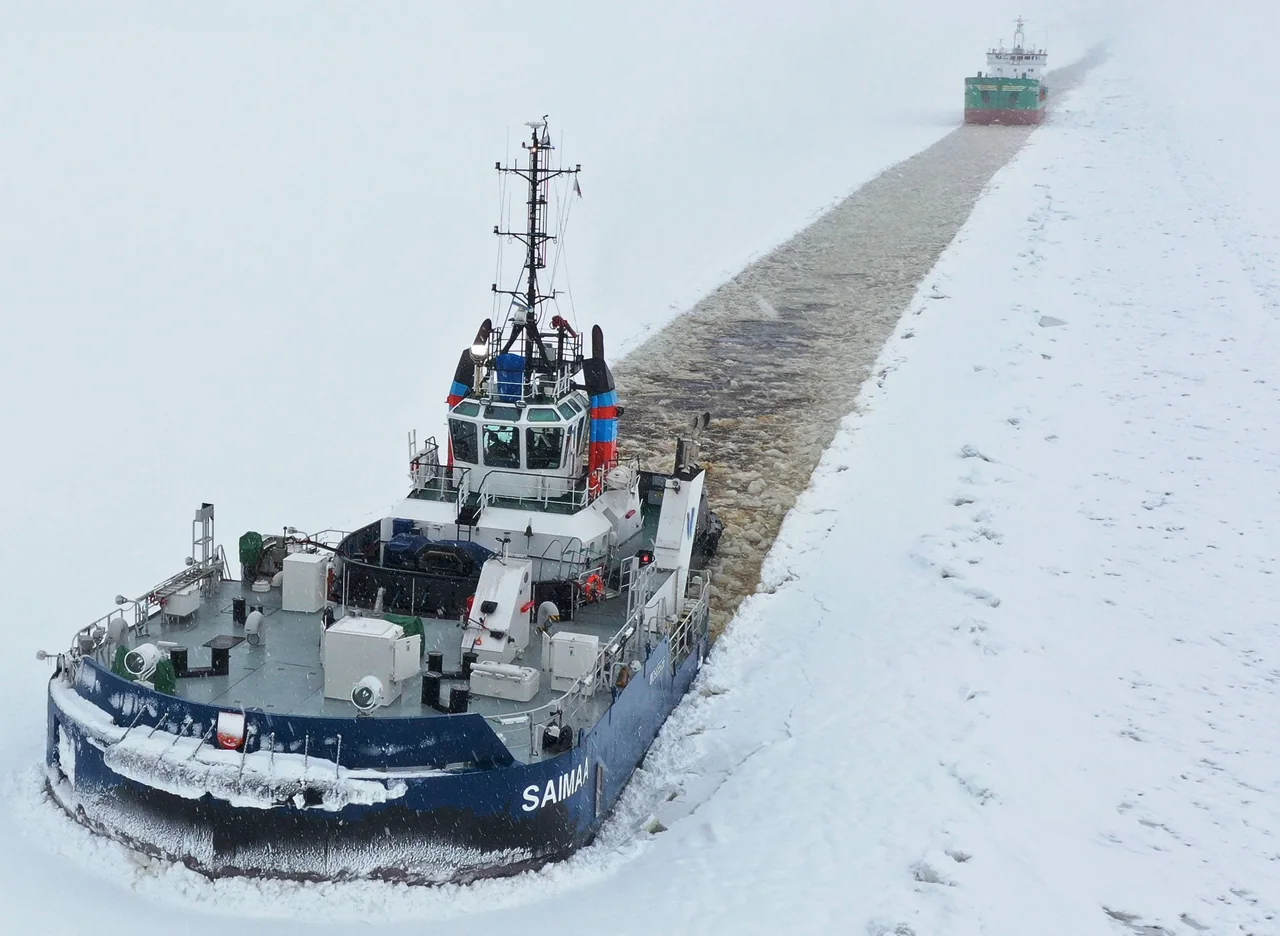
ILS Ship Design & Engineering in Helsinki, Finland has developed the ILS Removable icebreaker bow concept - DIBB. The removable bow icebreaker is based on utilizing an existing tug with lower power and size than a conventional icebreaker. This system is similar to US ATB designs using Intercon pins and ladders.