
California has become increasingly reliant on foreign crude imports in recent years, with the state's oil production declining. The shipment of oil from the US Strategic Petroleum Reserve marks a significant shift in trade flows and shipping routes, as the Iran war has disrupted supplies of Middle Eastern crude. This movement highlights the redrawing of global energy markets and the need for alternative sources of crude oil.
A cargo of Bayou Choctaw Sweet crude, valued at approximately 460,000 barrels, was shipped to Chevron's Richmond refinery in California. Another 50,000 barrels of the same grade were discharged at Chevron's El Segundo refinery. This shipment is a significant departure from the state's traditional role as a major oil producer.
The US Strategic Petroleum Reserve has been drawing down its stockpiles in recent years, with the latest shipment marking a notable milestone. The reserve's crude oil is being used to meet growing demand for energy in California and other parts of the country.
A 131 km pipeline connects the east coast to the Pacific Terminal on the west coast of Panama, enabling the transportation of crude oil from the US Strategic Petroleum Reserve to the West Coast. This infrastructure plays a critical role in maintaining the nation's energy security and responding to disruptions in global supply chains.
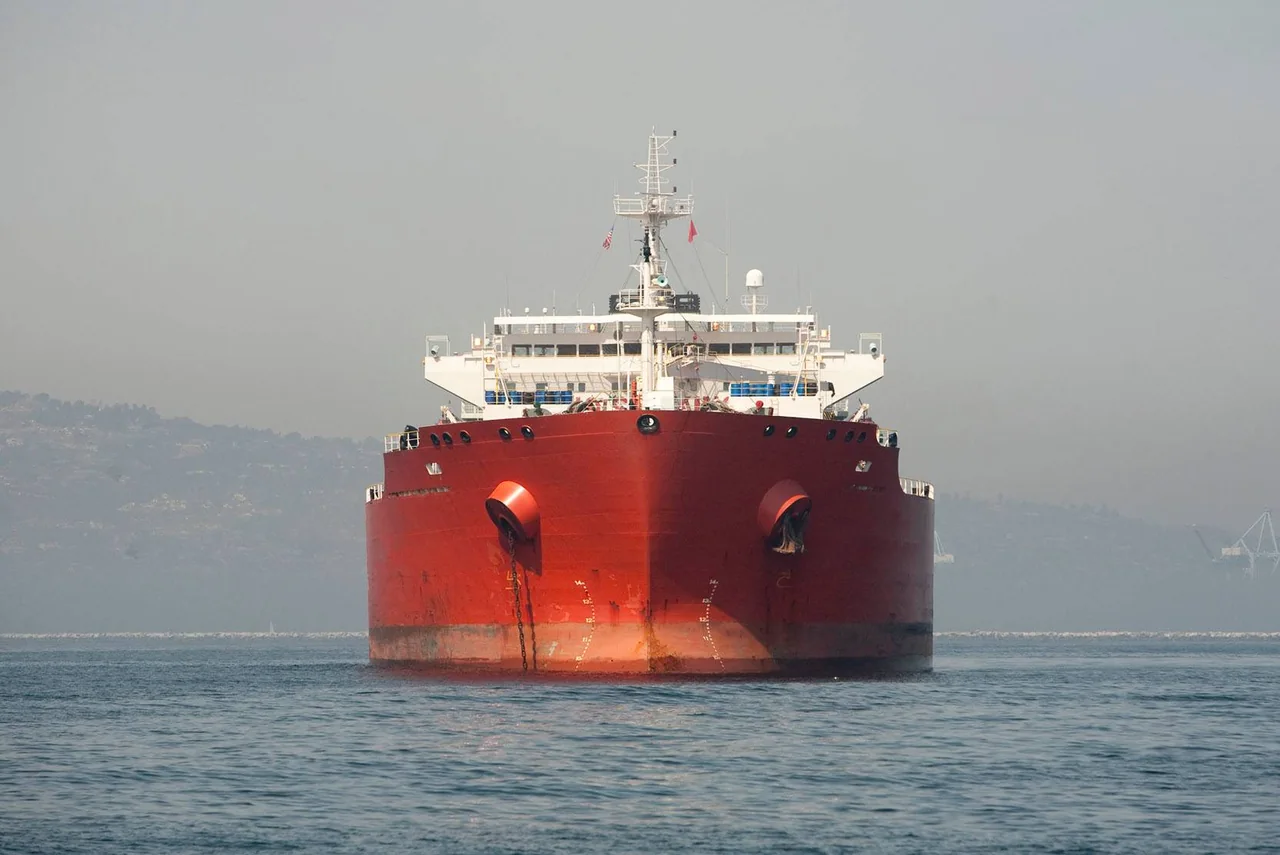
The supertanker Pascagoula Voyager, chartered by Chevron, played a key role in transporting the cargo from the Pacific Terminal to the refineries in California. The vessel was co-loaded with Guyana's Unity Gold crude oil, highlighting the growing importance of international cooperation in meeting energy demands.
Chevron's use of the Jones Act waiver to move crude from the Gulf Coast around to the West Coast is a significant development in the nation's energy landscape. This measure allows for greater flexibility in shipping and logistics, enabling companies like Chevron to respond more effectively to changing market conditions.
The shipment of oil from the US Strategic Petroleum Reserve marks an important step towards diversifying the nation's energy mix. As global demand for crude oil continues to grow, it is essential that alternative sources are developed and utilized to meet this demand.
However, the limited availability of alternative crude oil due to competing demand from Asia poses a significant challenge. This highlights the need for greater investment in domestic energy production and infrastructure development to ensure energy security in the face of global disruptions.
The impact of the Iran war on global energy markets is far-reaching, with the disruption of supplies of Middle Eastern crude having a profound effect on trade flows and shipping routes. The shipment of oil from the US Strategic Petroleum Reserve serves as a reminder of the importance of maintaining energy security and responding to changing market conditions.
As the nation's energy landscape continues to evolve, it is essential that companies like Chevron prioritize flexibility and adaptability in their operations. This will enable them to respond more effectively to changing market conditions and ensure continued energy security for the nation.