

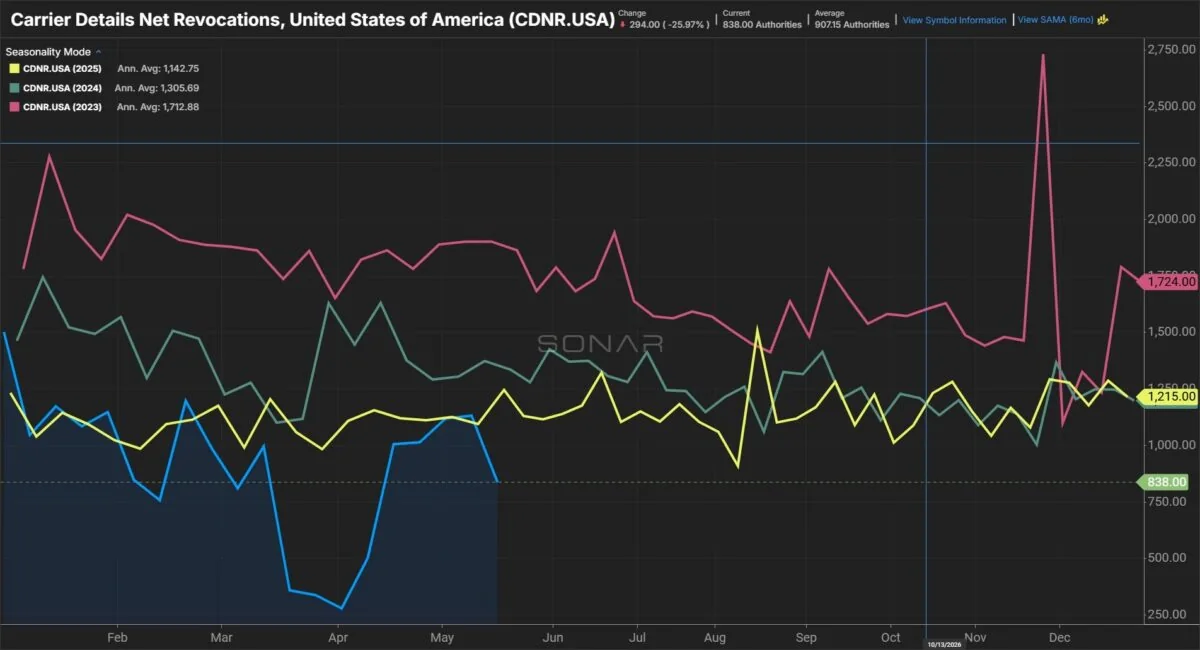
The recent surge in trucking firm bankruptcies is a stark reminder of the difficulties faced by carriers in the US freight market. Erratic demand and soft spot rates have been major contributors to this trend.
Several notable companies have filed for bankruptcy protection, including Georgia-based Standard Forwarding Freight, which shut down operations late last year after operating 14 terminals across the Midwest. The carrier employed 230 drivers with a fleet of 302 trucks hauling automotive parts and industrial freight. This move highlights the vulnerability of smaller regional carriers to market fluctuations.
The Chapter 7 liquidation of Standard Forwarding Freight is just one example of the challenges faced by the industry. Other notable cases include Illinois-based Bolt Carriers Inc., Indiana-based Dukay Trucking LLC, Florida carrier YMT Line Transport Inc., and Bull Trans LLC in Pennsylvania. These filings underscore the need for carriers to adapt quickly to changing market conditions.
s warn that the current trends are likely to continue unless significant changes are made to address the underlying issues driving these bankruptcies. The soft spot rates, in particular, have been a major concern, with many carriers struggling to maintain profitability in this environment.
The impact of these bankruptcies will be felt across the supply chain, as smaller carriers play a critical role in connecting shippers with manufacturers and distributors. As such, it is essential that policymakers and industry leaders work together to develop solutions that support the long-term viability of trucking companies.
Another significant trend emerging from these filings is the rise of oilfield haulers seeking Chapter 11 protection. Companies like Bullet Energy Services LLC, which specializes in energy-sector logistics, are taking advantage of this option to restructure and continue operating while addressing their financial challenges.

The largest restructuring filing came from Bullet Energy Services, which listed estimated assets between $1 million and $10 million and liabilities ranging from $10 million to $50 million. This highlights the complexity and nuance of the bankruptcy process, particularly for smaller companies with limited resources.
As the industry continues to grapple with these challenges, it is essential that carriers prioritize operational efficiency, cost management, and adaptability to stay afloat in this increasingly competitive market.
The ongoing struggles in the freight market are likely to have far-reaching consequences for the entire supply chain. As such, it is crucial that policymakers, industry leaders, and carriers work together to develop solutions that support the long-term viability of trucking companies and the broader logistics sector.
The ongoing struggles in the freight market are taking a toll on smaller carriers, who often lack the resources to navigate these challenges.