The city of Boston has taken a significant step towards enhancing maritime safety and efficiency with the recent installation of a Physical Oceanographic Real-Time System (PORTS) in its harbor. This system, established in partnership with the Massachusetts Department of Environmental Protection, is the 41st installation in a broad public-private partnership program. The PORTS system will provide real-time information to support safe navigation, which is crucial for commercial and other vessel operators operating in the area.
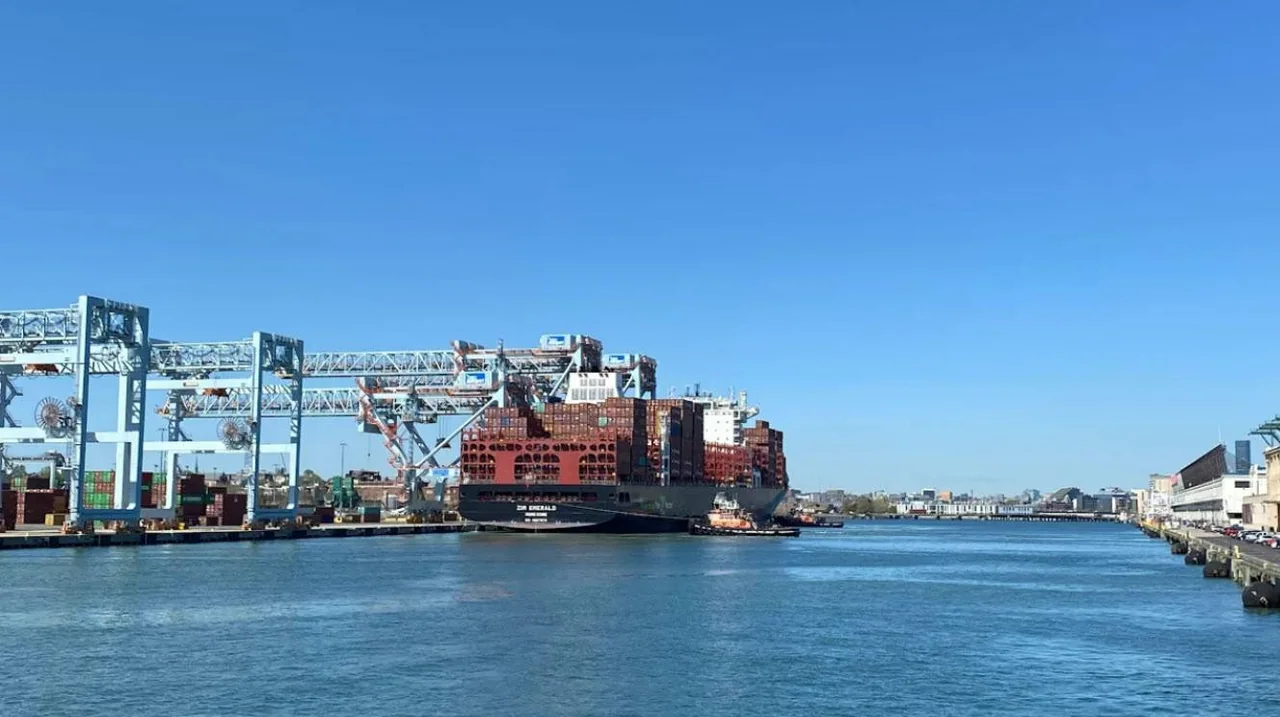
The Boston Harbor PORTS will consist of observational equipment at MassPort's Conley Terminal and on the Tobin Memorial Bridge, providing comprehensive coverage of the harbor's environmental conditions. The system includes one current meter and one meteorological station that will collect wind, air temperature, and barometric pressure data. This data will be used to support safe navigation and prevent potential risks to maritime commerce and the coastal environment.
The installation of a new air gap sensor at the Tobin Memorial Bridge over the Mystic River is another key feature of the Boston Harbor PORTS. The sensor will provide real-time data on the amount of bridge clearance that is available to ships, taking into account the dramatic tidal shifts throughout the day. This information will be critical for ensuring safe passage and preventing collisions.
The Boston Harbor PORTS system will also integrate with NOAA's existing National Water Level Observation Network station at Boston Harbor, providing a comprehensive view of the harbor's environmental conditions. The integration of these systems will help to mitigate risks associated with growing ship size and increasing maritime traffic, which pose significant challenges to maritime commerce and the coastal environment.
The installation of the PORTS system in Boston Harbor is part of NOAA's broader efforts to support safe navigation and prevent collisions in ports across the nation. These systems have a proven track record of helping prevent collisions and groundings, including in busy Boston Harbor. The benefits of these systems are evident in their ability to provide real-time environmental data and meteorological parameters with forecasts and other geospatial information.
The city of Boston has a rich maritime history, dating back to the 1600s when it was established as the nation's oldest port. Today, it is Massachusetts' primary seaport and the nation's third busiest cargo port, handling over 2.3 million tons annually. The Conley terminal, located at MassPort, is the only full-service container terminal in New England, connecting the Northeast to key global markets and tourism opportunities.
The installation of the PORTS system will also have a positive impact on the local economy, supporting more than 66,000 jobs and generating billions of dollars in annual revenue for New England. The port's economic significance cannot be overstated, making it essential that measures are taken to ensure safe navigation and prevent potential risks to maritime commerce.
The partnership between NOAA and the Massachusetts Department of Environmental Protection is a testament to the importance of collaboration in addressing the challenges posed by growing ship size and increasing maritime traffic. By working together, these organizations can provide critical infrastructure and support for safe navigation, ultimately benefiting the region's economy and environment.
As the nation's third busiest cargo port, Boston Harbor plays a vital role in supporting the resilience of the nation's supply chain. The installation of the PORTS system will help to ensure that this critical infrastructure is maintained, providing commercial and other vessel operators with accurate and reliable real-time information about environmental conditions. This will be essential for preventing collisions and groundings, and mitigating potential risks to maritime commerce and the coastal environment.
The installation of the Physical Oceanographic Real-Time System (PORTS) in Boston Harbor will provide commercial and other vessel operators with accurate and reliable real-time information about environmental conditions to support safe navigation, mitigating potential risks to maritime commerce and the coastal environment.