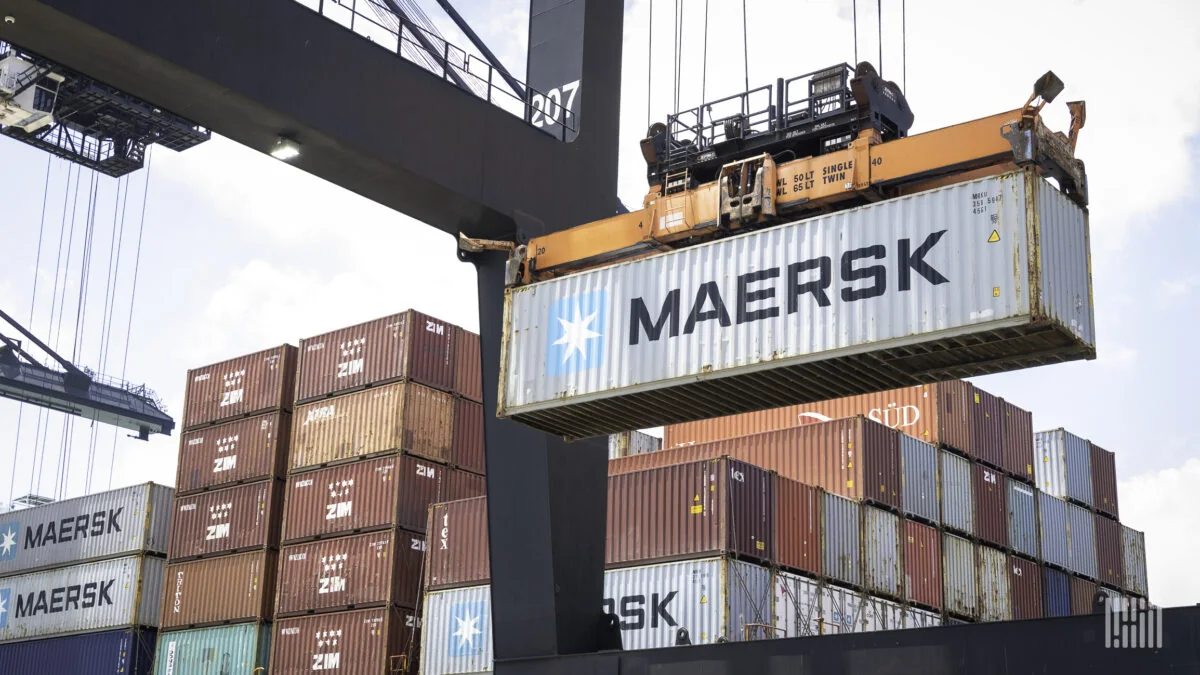
The Federal Maritime Commission (FMC) has fined Maersk $1.9 million for detention charges billed to third parties that had not agreed to Maersk's bills of lading, service contracts, or tariffs. The FMC said the settlement resolved allegations that Maersk assessed detention charges against third parties who had not consented to be bound by its contract terms.
Maersk did not admit to any violation and has agreed to stop the practice, amend its U.S. tariff rules so 'merchant' is limited to shippers, consignees, and beneficial cargo interests, and provide refunds and waivers to impacted third parties.
The FMC also stated that the penalty payment goes to the U.S. General Fund, not to the FMC itself. This settlement suggests carriers need tighter billing practices and clearer alignment between tariffs, contracts, and the parties actually bound by them.

For shippers and cargo interests, the key issue is who can legally be billed for detention charges. This settlement implies that carriers must ensure their billing practices are transparent and compliant with applicable regulations.
The impact of this settlement will likely be felt throughout the supply chain industry, as it highlights the importance of clear contract terms and alignment between tariffs, contracts, and parties involved.
This case serves as a reminder to companies operating in the shipping and logistics sector to review their billing practices and ensure they are compliant with applicable regulations.
The FMC's enforcement actions aim to promote compliance and prevent similar allegations from being made in the future.
By taking steps to amend its tariff rules and provide refunds, Maersk is demonstrating its commitment to fair business practices and compliance with regulatory requirements.
As the shipping industry continues to evolve, it is essential that companies prioritize transparency and compliance in their billing practices to avoid similar fines and penalties.
This settlement highlights the importance of clear contract terms and alignment between tariffs, contracts, and parties involved.