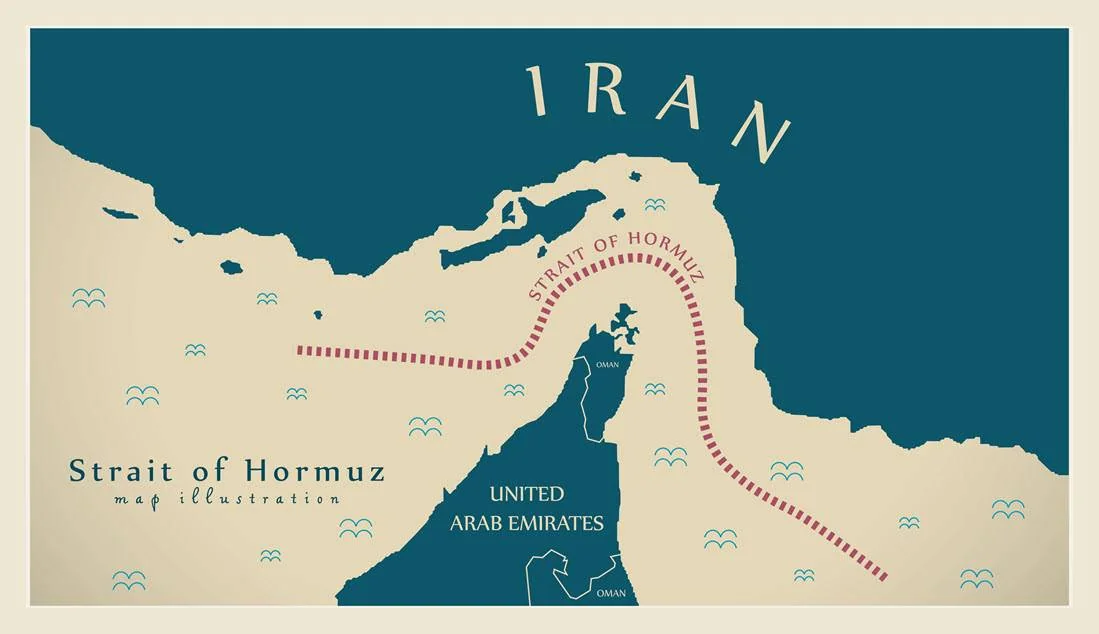
The Strait of Hormuz, one of the world's most vital oil export routes, was closed by Iran for a few hours on Tuesday, according to Iranian state media. The closure was initially reported to be partial, but later confirmed to be full. This move has raised concerns among global oil traders and analysts about the potential disruption to crude oil supplies. As one of the busiest shipping lanes in the world, any disruption to the Strait of Hormuz can have far-reaching consequences for the global economy.
The closure was attributed to 'security precautions' for shipping safety while Iran's elite Revolutionary Guards conducted military drills in the area. The exact nature and duration of these drills are not clear, but their proximity to the waterway has raised suspicions among some observers. It is worth noting that this is not the first time Iran has taken steps to restrict access to its territorial waters, highlighting a growing trend of assertiveness by regional powers.
The Strait of Hormuz is a critical chokepoint for oil exports from the Middle East, with over 20% of global crude oil supplies passing through it. Any disruption to this route can lead to significant price volatility and market instability. As such, the closure has sparked concerns among oil traders and analysts about potential price spikes or supply chain disruptions.
The full extent of the impact of the closure is still unclear, but initial reports suggest that some ships were delayed or forced to take alternative routes. This could lead to increased costs and delays for shipping companies operating in the region. The global oil market is already highly volatile, and any further disruption could exacerbate existing price pressures.
The Iranian government has a history of taking steps to restrict access to its territorial waters, often citing security concerns or environmental protection as justification. While these measures can be necessary for legitimate purposes, they also have the potential to disrupt global trade flows and cause economic hardship for countries dependent on oil exports.
Despite the uncertainty surrounding the closure, some analysts are already speculating about the potential long-term implications for the global oil market. A prolonged disruption to the Strait of Hormuz could lead to increased dependence on alternative routes or new supply sources, potentially altering the balance of power in the region.
The closure also highlights the ongoing tensions between Iran and its regional rivals, particularly Saudi Arabia and the United Arab Emirates. These countries have long been competing for influence in the Middle East, and any further escalation of tensions could have far-reaching consequences for global security and stability.
As the situation continues to unfold, it is essential for oil traders and analysts to monitor developments closely and assess the potential impact on global markets. The Strait of Hormuz closure serves as a reminder of the critical importance of this waterway to global energy supplies and the need for vigilance in monitoring regional tensions.
The ultimate goal of Iran's military drills and security measures remains unclear, but one thing is certain: the Strait of Hormuz closure has significant implications for global oil markets and highlights the ongoing risks and uncertainties associated with shipping through this critical chokepoint.
The closure of the Strait of Hormuz has significant implications for global oil markets, as it is a critical route for oil exports from the Middle East.