

Small fleet owners are facing new challenges as the trucking industry continues to evolve. For years, they have navigated a business environment where rising costs, shrinking margins, and regulatory uncertainty were simply part of the job. Continuous uncertainty has become a daily management hurdle for fleets both large and small.
The recent U.S. Supreme Court decision allowing negligence claims against freight brokers has sent ripples through the trucking industry. While many carriers applauded the ruling as a long-overdue step toward accountability, it also raises questions about what brokers will expect from the fleets they hire moving forward.
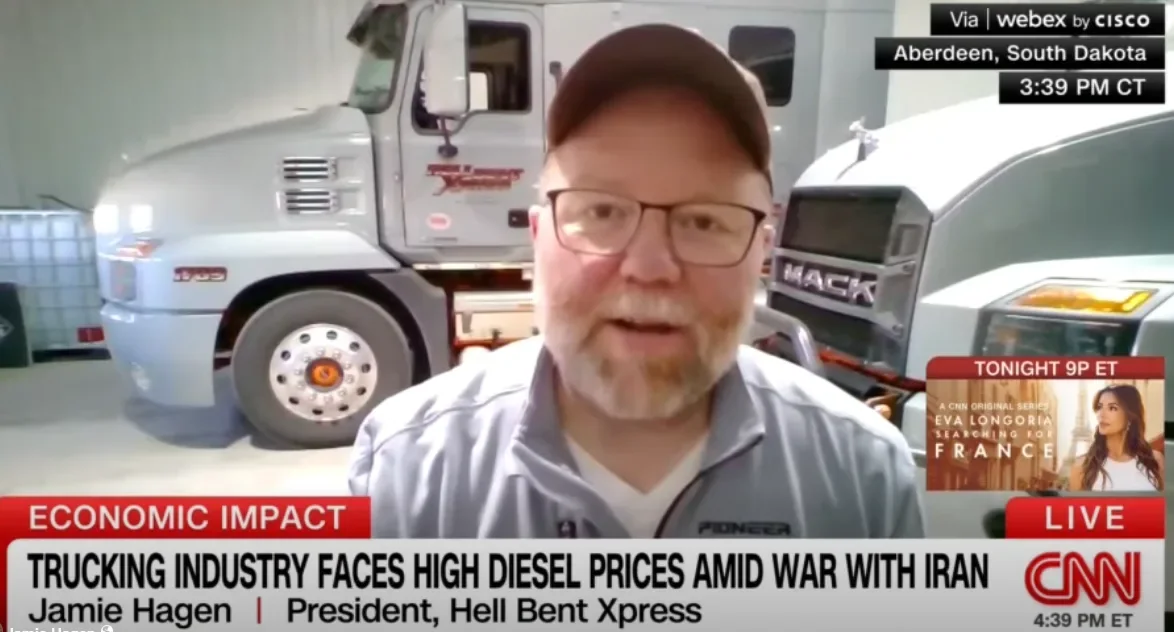
For Jamie Hagen, owner of Aberdeen, South Dakota-based Hell Bent Xpress, the decision reflects a reality trucking companies have already been living with for years. 'I can't just hire anybody off the street and put them in a truck,' Hagen said. 'My insurance company demands that I hire qualified people and operate safely. Now brokers may have to play by those same rules.'
The ruling opens the door for brokers to face liability claims when accidents occur involving carriers they selected. While legal experts are still assessing the full implications, many fleet owners expect brokers to increase scrutiny of carrier safety records, compliance programs, driver qualifications, and equipment specifications.
That prospect has generated concern among some owner-operators and smaller fleets running older equipment. Hagen understands those concerns. 'There are a lot of one-truck operators out there who may not even realize they're missing something from a compliance standpoint,' he said.
He points to the complex web of regulations governing trucking operations, from driver qualification files to recordkeeping requirements. While larger fleets often have dedicated compliance personnel, smaller operations frequently rely on owners who are juggling dispatch, maintenance, customer service, and driving duties all at the same time.
As brokers face greater legal exposure, some carriers worry that fleets lacking modern safety technologies or robust compliance systems could find themselves at a competitive disadvantage. Modern equipment looks like a better investment every day.
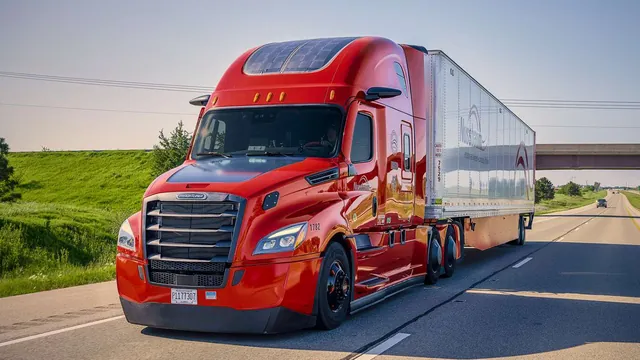
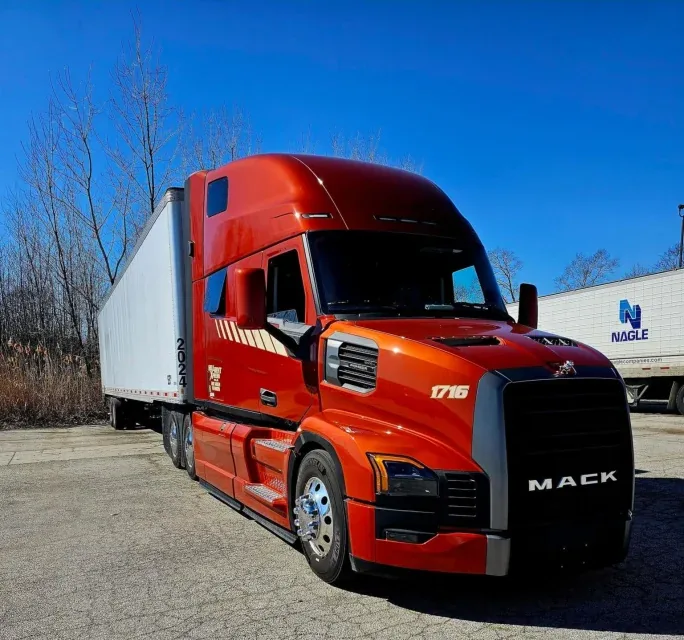
Ironically, Hagen's fleet may be unusually well-positioned for the new environment. Hell Bent Xpress recently invested in six new Mack Pioneer tractors and has five more on order. The trucks are equipped with collision mitigation systems and other advanced safety technologies.
At the time the investment was made, Hagen was betting on an eventual freight market recovery. He wasn't anticipating a sudden shift in the industry's focus towards safety and compliance.
The new ruling may lead to a more regulated industry, but it also brings opportunities for fleets that invest in modern safety technologies.