
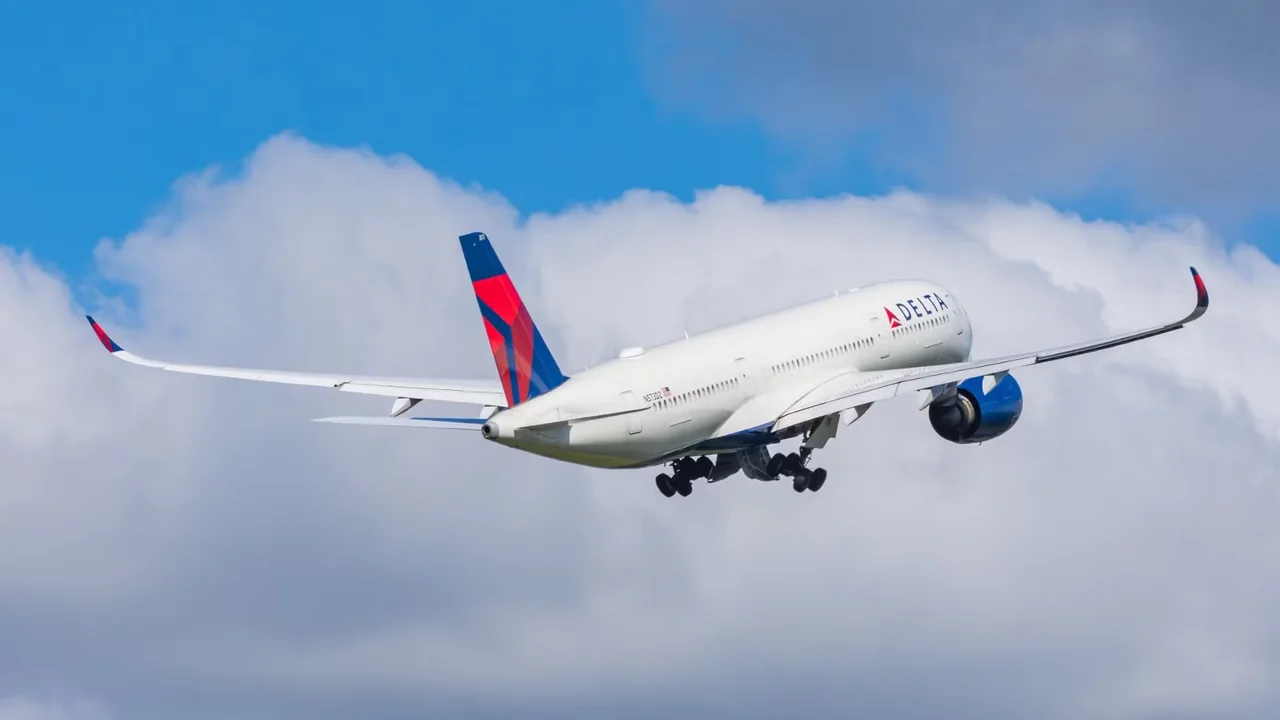
A remarkable career spanning over six decades, Delta Air Lines is celebrating the remarkable journey of its 66-year veteran flight attendant, Crandall. Her first flight took place in 1959 aboard a 24-seat Douglas DC-3, an aircraft type that dominated regional routes at the time. As she looks back on her remarkable career, Crandall reflects on the significant changes she has witnessed in the aviation industry.
The airline industry has undergone a profound transformation since Crandall's early days as a flight attendant. From propeller-driven aircraft to modern jetliners like the Airbus A350, commercial aviation has evolved significantly over the past six decades. As a result, the role of flight attendants has also undergone a significant shift.
Crandall's career is a testament to the evolution of commercial aviation and the critical role that flight attendants play in ensuring passenger safety and comfort. With extensive training in emergency response, evacuation, medical, and security procedures, modern flight attendants are essential members of an airline's operational team.

As Delta celebrates Crandall's remarkable career, it also highlights the changing nature of the profession. The airline has paired her with newly graduated flight attendant Alise Broussard, illustrating both the continuity and transformation of the role over nearly seven decades.
The contrast between Crandall's early days as a flight attendant and Broussard's entry into the profession is striking. While Broussard begins her career in an era of global networks, advanced training, and modern employment protections, Crandall entered an industry where strict appearance standards and discriminatory employment policies were commonplace.
The passage of the Civil Rights Act and subsequent workplace reforms have fundamentally changed the expectations surrounding flight attendants' careers. Crandall's own career became a powerful example of that shift, allowing women to build long-term careers in aviation rather than treating the role as a temporary occupation.

Crandall's remarkable journey serves as a reminder of the importance of preserving aviation history and recognizing the contributions of dedicated professionals like herself. As she prepares for retirement, Crandall is passing on her knowledge and experience to a new generation of flight attendants.
The airline industry continues to evolve, with advances in technology and safety protocols transforming the role of flight attendants. As Delta honors Crandall's remarkable career, it also looks to the future, recognizing the critical role that these professionals will continue to play in ensuring passenger safety and comfort.
Crandall's legacy is a testament to the power of dedication and hard work in shaping the aviation industry. As she looks back on her remarkable career, she reflects on the significant changes she has witnessed and the importance of preserving the history of commercial aviation.
The role of flight attendants has become increasingly critical as airlines prioritize passenger safety and comfort.