
The Middle East offshore sector is grappling with a complex combination of risk factors, including contract terminations, spiraling insurance costs and the threat to EPC projects. A recent report by MSI notes that while contract terminations for rigs have been few, a return to pre-conflict levels could take months as fields are brought back onstream and construction projects get back up and running.
Despite the relatively short-lived nature of many drilling suspensions, a number of key operators within the GCC suspended or terminated some associated vessel contracts. This was seen across all three of the key countries of Saudi Arabia, the UAE and Qatar, with Qatar experiencing a significant impact on its oil sector due to contract terminations and insurance cost increases.
In Qatar, many contracts have either been suspended or terminated, with any downtime added on to the end of the contract. In contrast, the impact on the Saudi energy sector appears relatively contained compared with other Gulf markets, supported by the Kingdom's ability to reroute exports through Red Sea infrastructure and existing pipeline networks.
The rising cost of insurance premiums is a major concern for operators in the Middle East offshore sector. According to MSI Associate Director Todd Jensen, owners have reported paying $80-100,000 for two weeks of insurance coverage, with a no claims bonus of up to 50% and many policies also excluding attempts at passage through the SoH.
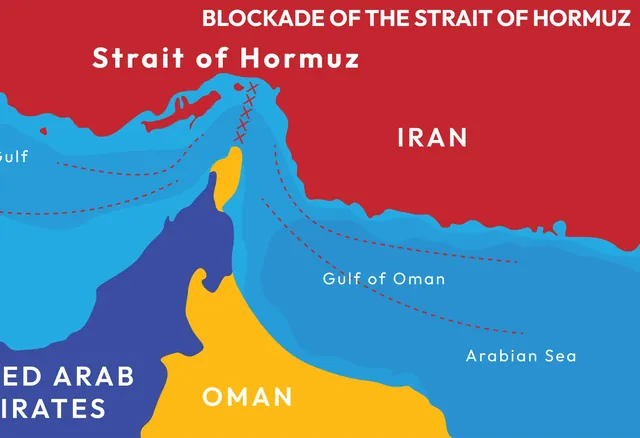
The closure of the SoH is having a significant impact on the EPC and vessel maintenance markets. Structures and equipment constructed in Asia are unable to enter the Middle East Gulf, causing construction projects to stall and stalling newbuild vessels waiting for delivery.
Equipment costs for vessel repairs have also seen a significant increase due to high production costs and scarcity within the Gulf. This has led to vessel maintenance costs increasing within the region, further exacerbating the challenges faced by operators in the Middle East offshore sector.
The situation is likely to remain volatile until the conflict subsides and the SoH reopens. Operators must navigate this complex landscape of risk factors to ensure their operations can continue safely and efficiently.
The impact on the global oil industry will be significant, with potential disruptions to supply chains and increased costs for consumers. As the situation evolves, it is essential that operators and governments work together to mitigate these risks and ensure a stable energy supply.
Ultimately, the Middle East offshore sector must adapt to this new reality of risk and uncertainty. By doing so, operators can minimize their exposure to structural risks and ensure long-term sustainability in this critical industry.
The Middle East offshore sector is facing significant structural risks due to contract terminations, spiraling insurance costs and EPC project disruptions.