
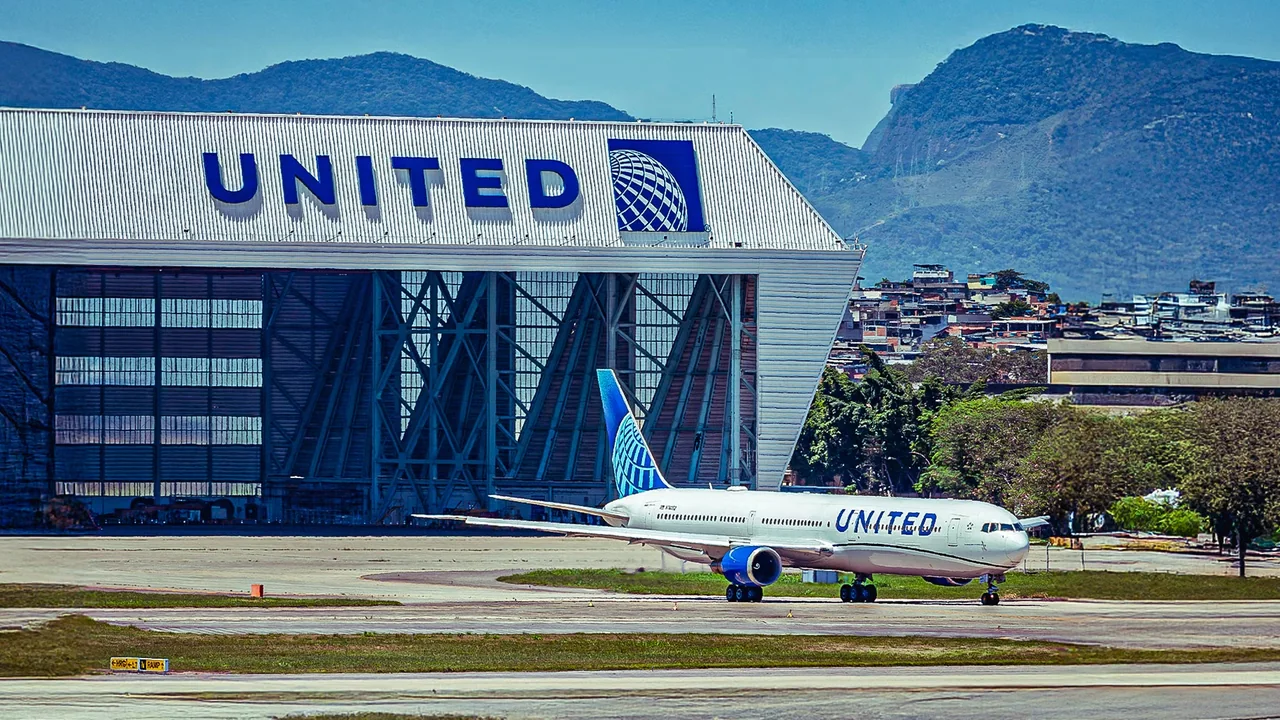
United Airlines Flight 169 made headlines when it struck a light pole during its landing at Newark Liberty International Airport on May 3. The National Transportation Safety Board released its preliminary investigation report into the mishap, revealing that the Captain had received multiple warnings that the plane was below ideal glideslope and airspeed.
The NTSB reported that the pilot received cockpit alerts as well as verbal warnings from the first officer before striking the light pole that was just 15 feet above the New Jersey Turnpike.
In the collected voice recordings, the captain reported hearing a thump after colliding with the pole that would severely damage the plane and injure a truck driver when it collapsed on the moving vehicle.

The pilots of Flight 169 conducted their approach during a very windy day with gusts up to 31 miles per hour, which also led to air traffic control changing the runway three times in quick succession during the approach.
The final airstrip that was selected was also the shortest of all the runways at Newark. It was reported that the Precision Approach Path Indicator clearly indicated to the pilot that the plane was too low with four red flashing signals.
Simultaneously, in the preliminary report, the controllers were completely unaware of the plane's dangerously low altitude.

It wasn't until approximately 30 minutes after the plane had already landed and taxied to the gate that ground controllers radioed the pilots to report that a ground crew noticed a hole in the side of the airplane.
The NTSB confirmed the Boeing 767 sustained significant damage to its fuselage and underside from the collision and will require extensive repairs.
The incident highlights the importance of effective communication between pilots, air traffic control, and ground crews in preventing such accidents.