Oil prices edged down after Oman said operations at Mina al Fahal port were proceeding normally, following a Reuters report that oil loadings had been suspended after an explosion. The Brent crude futures LCOc1 fell 24 cents, or 0.25%, to $94.79 a barrel by 0704 GMT after settling down 2.84% in the previous session.
This downward trend is partly due to concerns of falling oil inventories globally that could cause a price spike in the third quarter. Analysts have flagged these concerns, highlighting the potential for increased tensions in the Middle East and their impact on global oil markets.
The situation remains volatile, with fighting flaring up in the region as U.S.-Iran war peace talks drag on. Traffic in the Strait of Hormuz, where a fifth of the world's oil passes, has remained limited, adding to the uncertainty.
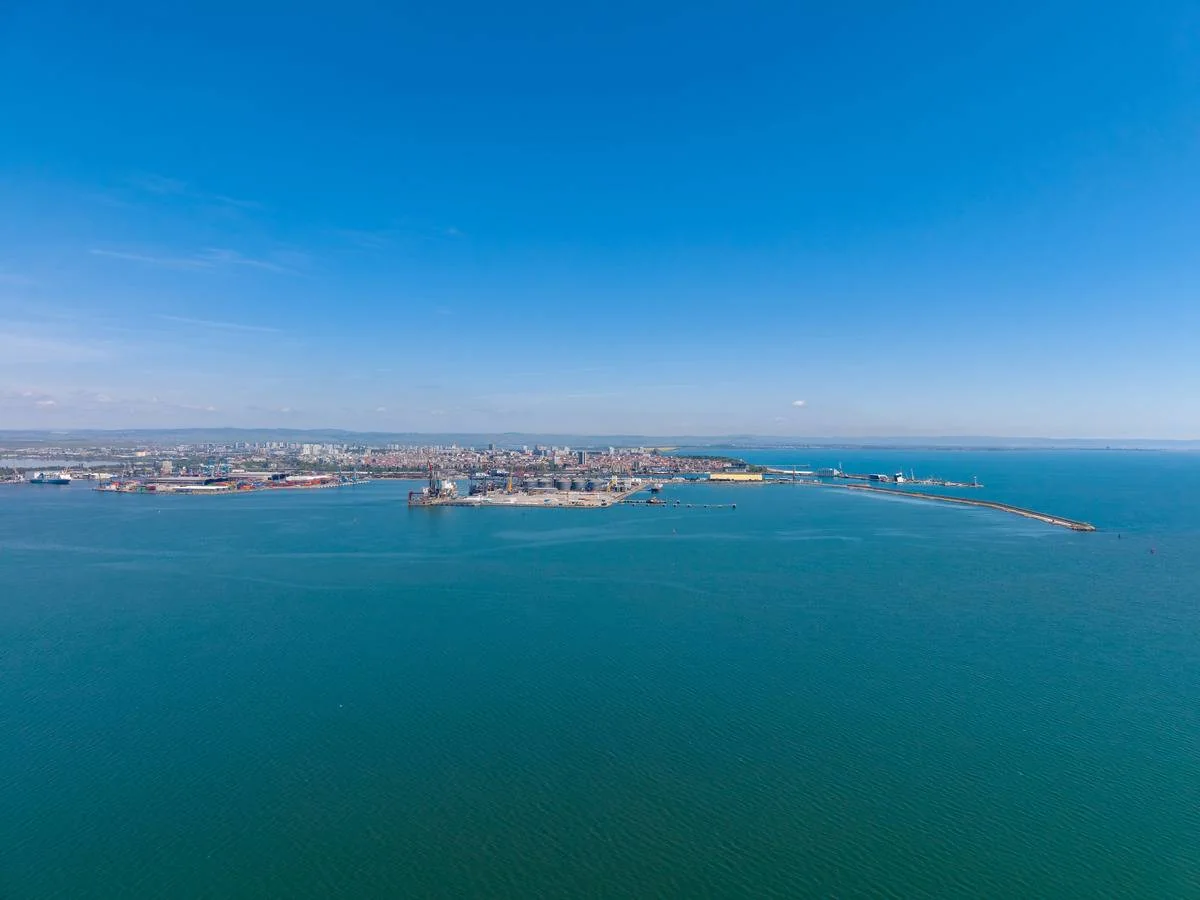
Petroleum Development Oman said operations at Mina Al Fahal port are proceeding normally, after three sources told Reuters earlier that oil loading had been suspended following an explosion near its mooring berths. This news has helped to stabilize oil prices slightly.
Oman exports 800,000 to 900,000 barrels per day of crude from the terminal, making it a crucial player in global oil markets. The country's stability is seen as a positive factor for oil prices.
Despite the challenges, OPEC is sticking to its oil demand growth forecast of 1.2 million barrels per day for this year, Secretary General Haitham Al Ghais said on Thursday. This commitment to the forecast suggests that OPEC remains optimistic about the global demand for oil.
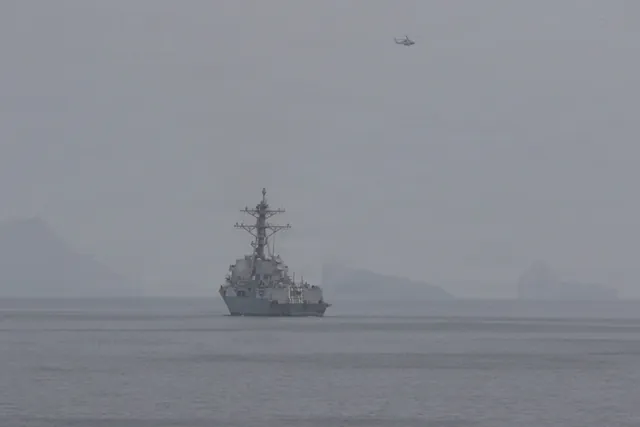
Iranian oil exports have fallen to their lowest level in six years mainly due to the U.S. naval blockade, according to shipping data. The decline in Iranian oil exports has contributed to the decrease in global oil prices.
The situation remains complex, with Hezbollah leader Naim Qassem rejecting a U.S.-brokered agreement between Israel and the Lebanese government to halt the fighting. This rejection adds to the uncertainty surrounding the Middle East conflict.
As the situation continues to unfold, it is essential to monitor the developments in the region and their impact on global oil markets. The price of oil remains highly volatile, making it challenging for investors to make informed decisions.
The risks remain skewed to the upside as long as WTI crude oil remains above trendline support in the low $80s.