
The B-2 Spirit Bomber is renowned for its longest missions in US Air Force history, with crews flying around the world as part of their flight plan. During these extended operations, sleep and rest are crucial for both performance and safety. The aircraft's unique cabin design accommodates a small camp-style bed, miniature microwave, and even a chemical toilet, allowing pilots to take care of their basic needs while in flight.
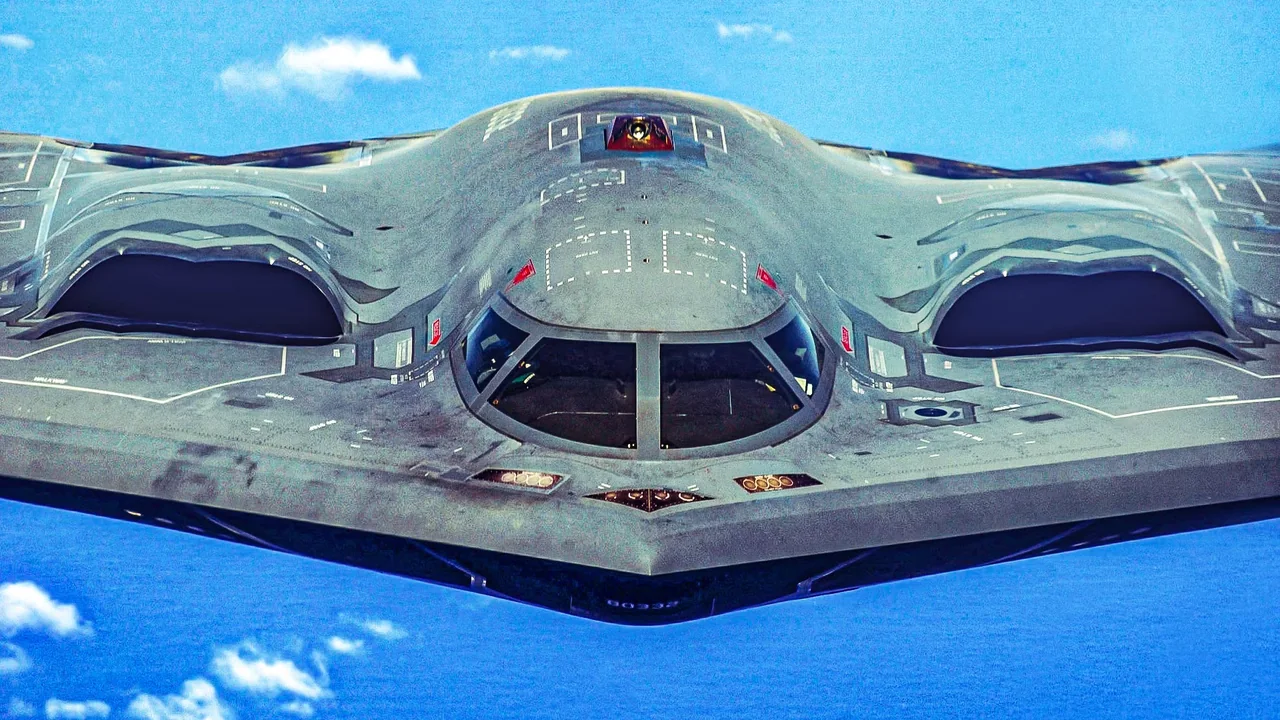
The B-2 Spirit's bulbous-shaped cockpit provides ample space behind the main area of control in avionics, enabling one pilot to stand behind the controls during cruise profile flying. This advanced computer system requires only one pilot at a time to function, reducing cognitive demands and allowing for greater focus on the mission. The crew division of labor ensures that both pilots take turns sleeping to manage their mission and stay sharp.
The B-2's automation enables one pilot to supervise flight operations while the other relaxes during non-critical phases, making it easier to maintain pilot performance. A small, roughly six-foot-long sleeping area is located on the floor behind the ejector seats, providing a comfortable spot for pilots to rest. While some pilots have used makeshift arrangements in the past, most now utilize fold-down cots or modified camp beds.

The cockpit also features a mini-fridge, small microwave, and chemical toilet, ensuring that pilots can stay hydrated and nourished during extended missions. Crew rotation is meticulously planned, with pilots taking brief rest periods of 2 to 3 hours to ensure they are well-rested for the mission. However, both pilots must remain seated during critical operations.
Fatigue management is a critical aspect of B-2 operations, with flight surgeons prescribing 'go pills' to help pilots stay alert after initial adrenaline rush subsides. Pilot hydration and nutrition are also prioritized, with an emphasis on easily digestible meals to maintain energy and reduce gastrointestinal discomfort.
The B-2's advanced flight control system reduces cognitive demands on the remaining pilot during rest periods, allowing for greater focus and mission effectiveness. This enables crews to perform at their best despite long flight durations, making the B-2 Spirit a vital asset in US Air Force operations.

Crew Resource Management (CRM) is essential in the B-2 Spirit environment, where maximizing crew performance and safety is paramount. The unique cabin design and advanced automation work together to reduce cognitive demands and promote healthy sleep patterns.
The B-2 Spirit's innovative approach to fatigue management has far-reaching implications for the aviation industry as a whole. By prioritizing pilot well-being and utilizing advanced technology, the US Air Force can ensure that its crews remain sharp and effective even during the longest missions.
As the B-2 Spirit continues to play a critical role in US Air Force operations, its emphasis on crew rest and sleep will serve as a model for other aviation organizations seeking to improve pilot performance and safety.

The B-2 Spirit's unique cabin design prioritizes pilot well-being, enabling crews to perform at their best despite long flight durations.