
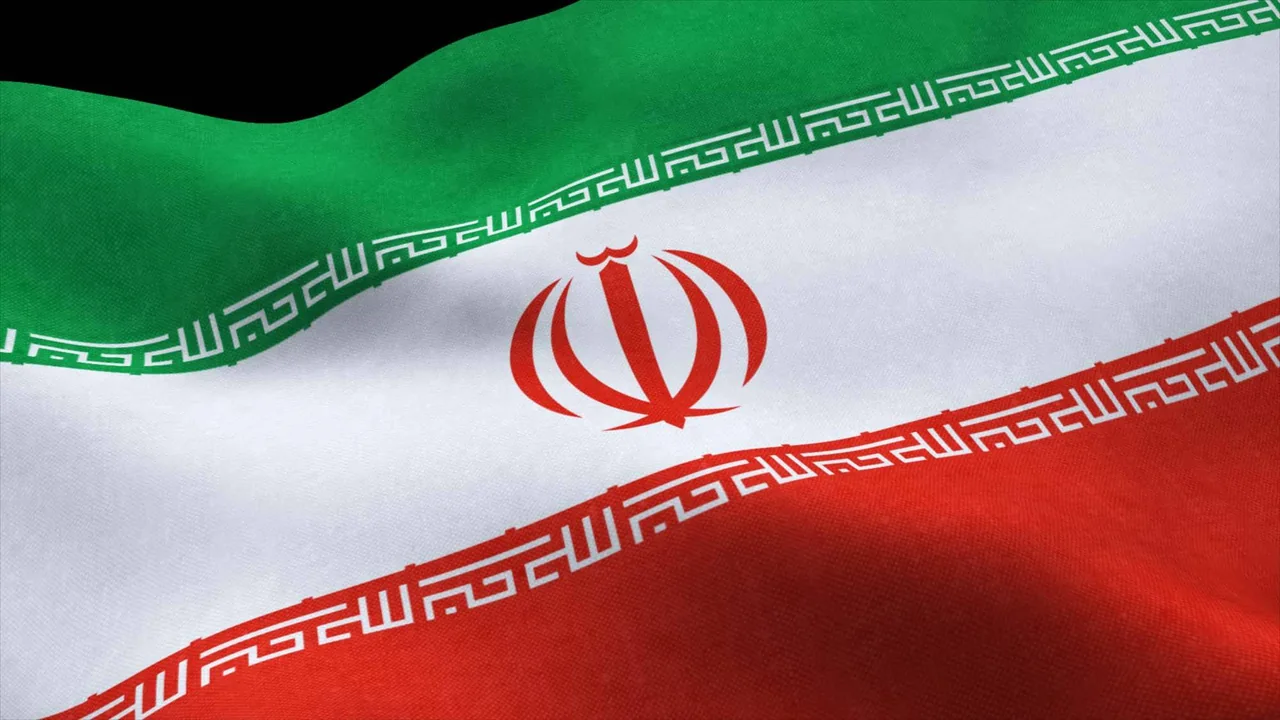
Denmark's maritime authority has detained an Iran-flagged container vessel, citing registration issues. The ship, named 'Nora' according to LSEG data, was initially sailing under a Comoros flag but was found not to be registered in the registry. This decision has significant implications for international trade and highlights the importance of proper registration and certification.
The Danish authority will conduct a port state inspection of the vessel before it can be released, and it has already carried out this inspection, finding no significant safety deficiencies. However, the detention raises questions about the effectiveness of international maritime regulations in preventing illicit activities. The fact that the vessel was able to change its flag from Comoros to Iran without proper authorization suggests a lack of oversight.
The 'Nora' shares the same International Maritime Organization number as a vessel formerly named CERUS, a container ship on the U.S. Treasury's sanctions list. This connection highlights the potential for vessels to be used in illicit activities and underscores the importance of tracking and monitoring vessel movements. The IMO number remains unchanged despite name changes or flag switches.
The CERUS was designated under the U.S. Office of Foreign Assets Control (OFAC) Iran sanctions programme and is linked to Argun Shipping Inc. and Reel Shipping LLC. This association raises concerns about the potential for these companies to be involved in illicit activities. However, it is unclear whether the detention of this vessel will lead to any further action against these companies.
The vessel has been lying idle for the past 25 days, according to TV2. This prolonged period highlights the need for vessels to be regularly inspected and maintained to ensure safety and compliance with regulations. The fact that the 'Nora' was able to remain in Danish waters without being detected until now suggests a lack of effective surveillance.
The detention of this Iranian vessel is also a reminder of the importance of flag state responsibility in ensuring their vessels meet global standards. Denmark's decision to detain the vessel demonstrates its commitment to upholding international maritime regulations and preventing illicit activities. However, it remains to be seen how this incident will impact international trade and the wider maritime industry.
The Danish authority's actions have sent a clear message that registration issues will not be tolerated in Danish waters. This decision is likely to have a ripple effect on the global maritime community, highlighting the need for greater cooperation and oversight between flag states and regulatory bodies. As the maritime industry continues to evolve, it is essential that regulations keep pace with emerging threats and challenges.
The detention of this Iranian vessel has significant implications for the international community, particularly in terms of preventing illicit activities and promoting safety at sea. The fact that the 'Nora' was able to change its flag without proper authorization highlights the need for greater vigilance and cooperation between regulatory bodies. As the maritime industry continues to grow and evolve, it is essential that we prioritize effective regulation and oversight.
Ultimately, the detention of this Iranian vessel serves as a reminder of the importance of international cooperation and collective action in preventing illicit activities and promoting safety at sea. By working together, flag states, regulatory bodies, and the wider maritime community can ensure that vessels are properly registered and certified, reducing the risk of illicit activities and promoting a safer and more secure maritime industry.
The detention of this Iranian vessel highlights the complexities of international maritime regulations and the need for flag states to ensure their vessels meet global standards.