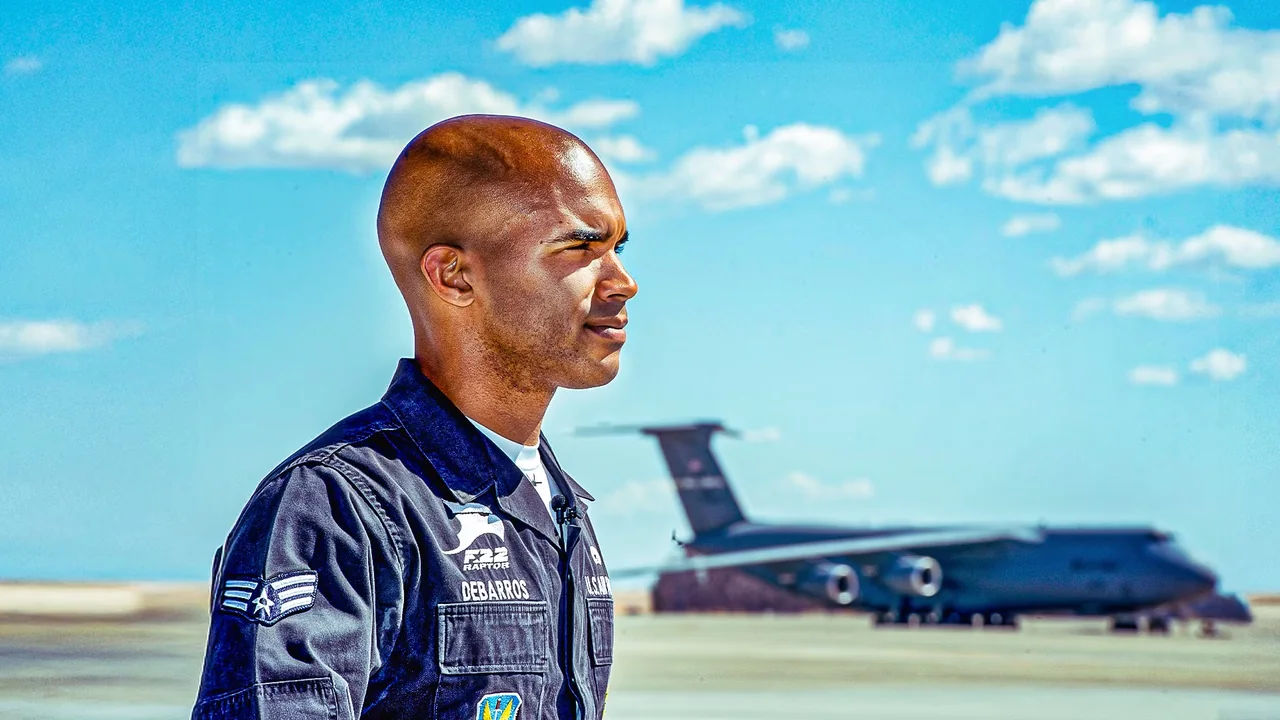
For decades, the United States military has produced some of the world's most highly trained aviators. Air Force fighter pilots, US Navy carrier aviators, Marine Corps expeditionary pilots, and Army helicopter crews operate aircraft in environments far more demanding than most civilian flying jobs. Despite increasingly aggressive retention bonuses and improved compensation packages, military pilot salaries still lag behind what commercial airlines now offer. This persistent personnel problem has been a challenge for the Pentagon for over three decades.
The gap between military aviation and commercial airlines has become one of the most pressing issues affecting the US Air Force, Navy, and Marine Corps. Airlines are hiring at historic rates, pilot shortages continue across the commercial sector, and thousands of military aviators are reaching a career point where they must decide whether to remain in uniform or move into civilian aviation.
The airline industry's aggressive recruitment efforts have led to a retention crisis among US military personnel. The result is a significant brain drain as experienced military pilots choose to leave active duty for better-paying jobs in the commercial sector.

According to data from the Bureau of Labor Statistics, the median annual salary for airline pilots now sits around $226,000, with senior captains at major US carriers earning substantially more. Widebody captains flying international routes can exceed $400,000 annually in total compensation.
In contrast, a newly commissioned United States Air Force Second Lieutenant pilot starts with base pay of roughly $50,000 annually, though total compensation rises closer to $90,000 annually once housing allowances, healthcare, and aviation incentives are included.
The disparity between military and commercial airline salaries becomes even more pronounced when considering mid-career pilots. A mid-career Air Force Captain generally earns between $115,000 and $155,000 annually in total compensation.

Even the highest-paid active-duty Air Force aviators face ceilings far below commercial airline earnings. Senior Lieutenant Colonels and Colonels can reach approximately $200,000 annually once Aviation Incentive Pay, bonuses, and allowances are combined.
The retention crisis affecting US military personnel highlights the need for more effective compensation packages to retain top talent in the aviation industry.
As airlines continue to offer higher salaries and better benefits, the gap between military pilot salaries and commercial airline earnings is likely to widen, further exacerbating the retention challenges faced by the US military.

The gap in pilot salaries between the military and airlines is a significant challenge for the US military.