
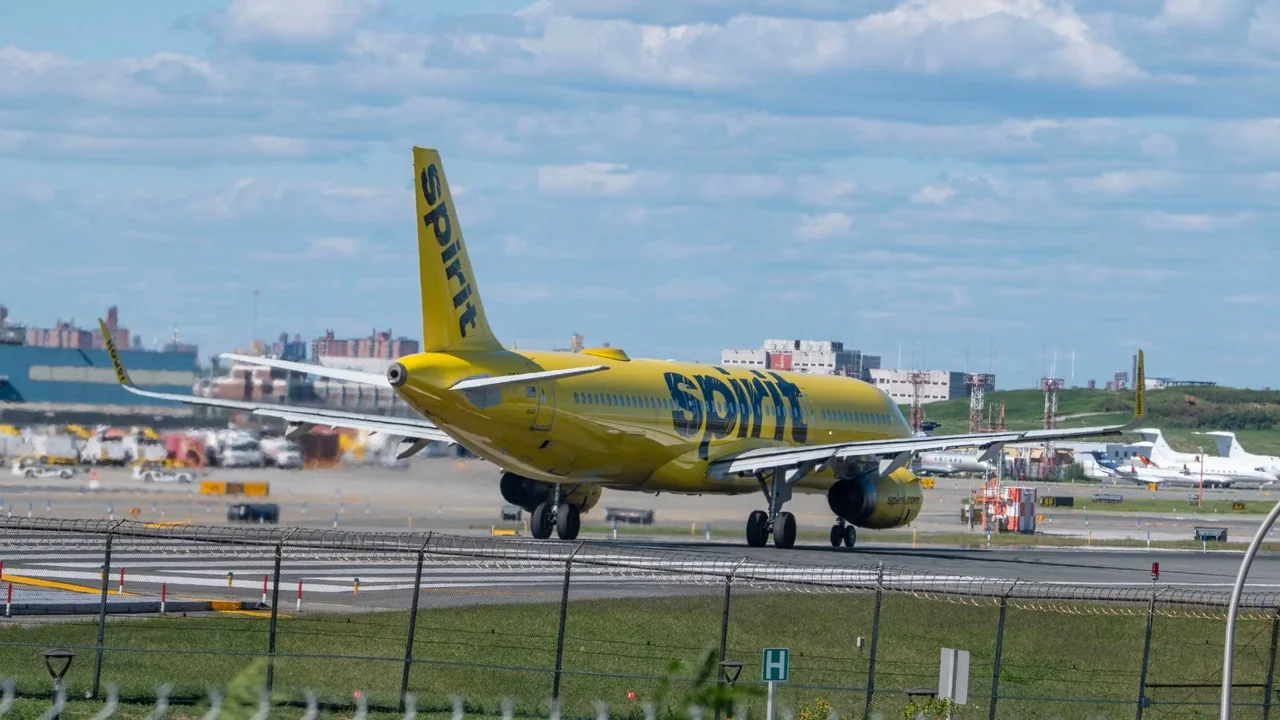
The rise of premium airfare sales has led to a shrinking customer pool for Low and Ultra-Low-Cost-Carriers, forcing them to battle with increased fuel prices. This shift in consumer behavior has resulted in a significant decrease in demand for these airlines. As a result, they are struggling to maintain profitability.
The post-pandemic pilot and crew shortages have forced budget airlines to aggressively hike salaries to match major carriers. These wage increases have spiked their operating costs and contributed to the smaller price gap between budget and legacy airlines. This has made it increasingly challenging for low-cost carriers to compete with their full-service counterparts.
Airports are also charging carriers more to fly, driving out Low-Cost and Ultra-Low-Cost operators. The most dramatic example is Ryanair's planned exit from Berlin Brandenburg Airport following a 50% increase in fees. This trend is expected to continue as airports seek to capitalize on the growing demand for air travel.

The crisis over the Strait of Hormuz has had an unprecedented impact on jet fuel prices, with prices experiencing a 70% explosion over the last year. Airlines are currently absorbing roughly 50% of the massive fuel price increases directly. This is because many regional low-cost carriers do not aggressively hedge their fuel costs, leaving them completely exposed to oil market volatility.
The industry outlook worsens due to rising airfares and operational costs. The International Air Transport Association has slashed its projection for global airline revenue in 2026 down to half of that in 2025, to $23 billion versus $45 billion. This represents a significant decrease in the industry's overall performance.
Despite efforts by airlines to raise ticket prices, the rise of premium airfare sales and long-haul destinations has led to a shrinking customer pool for Low and Ultra-Low-Cost-Carriers. This shift in consumer behavior is expected to continue, putting further pressure on these airlines.

The Perfect Storm Of Market Forces Against Affordable Airlines highlights the challenges faced by low-cost carriers in an increasingly competitive market. The rise of premium airfare sales and long-haul destinations has resulted in a significant decrease in demand for these airlines.
Low-cost carriers are struggling to maintain profitability due to rising operational costs, including fuel prices and airport fees. The industry is facing a perfect storm of market forces that are putting pressure on low-cost carriers.
The crisis over the Strait of Hormuz has had a devastating impact on the airline industry, with jet fuel prices experiencing an unprecedented 70% explosion over the last year. This trend is expected to continue, further exacerbating the challenges faced by low-cost carriers.

The industry is facing a perfect storm of market forces that are putting pressure on low-cost carriers.