
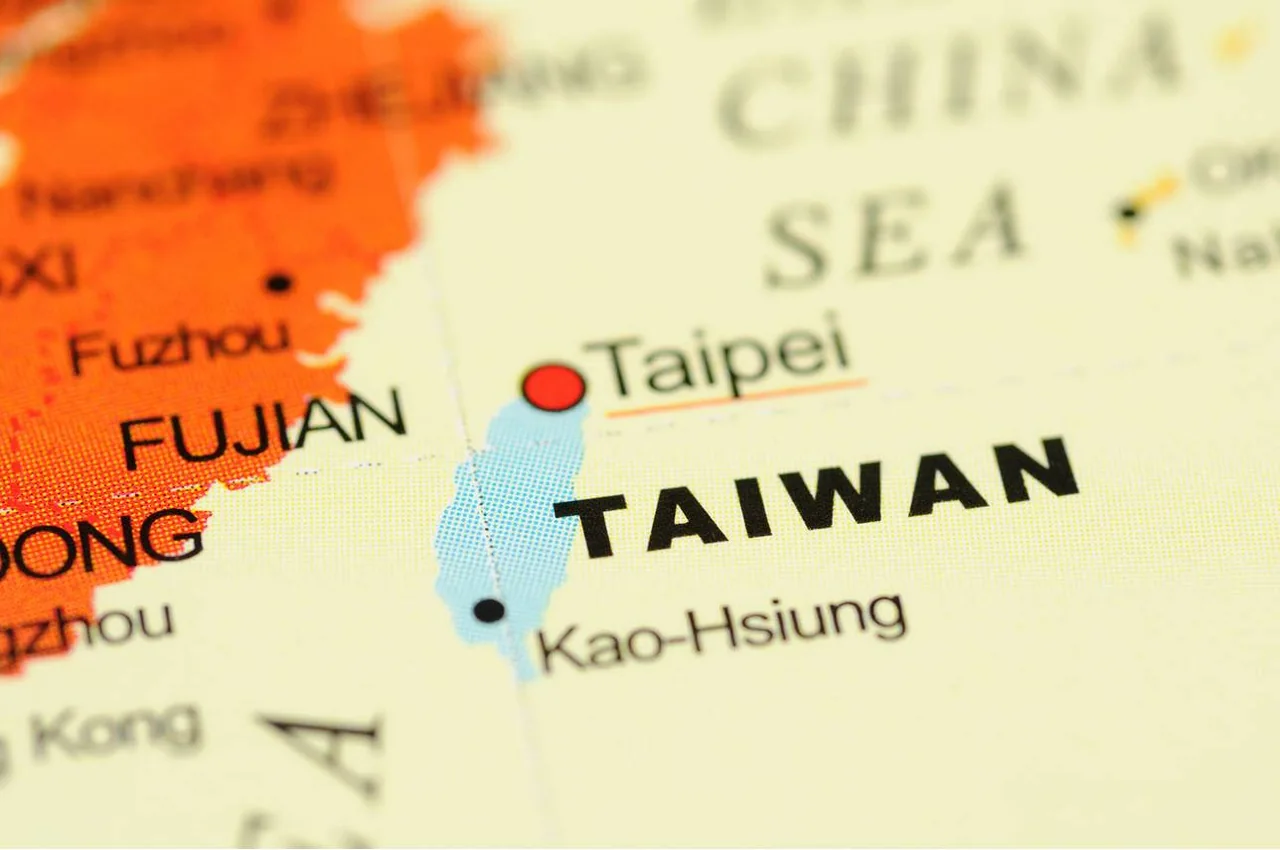
China has ended a maritime patrol off Taiwan's eastern shores after inspecting 198 passing vessels and rectifying violations involving three ships. The patrol, which began last week, was seen as a response to Japan and the Philippines' announcement that they would begin formal talks on their maritime boundaries involving waters off Taiwan.
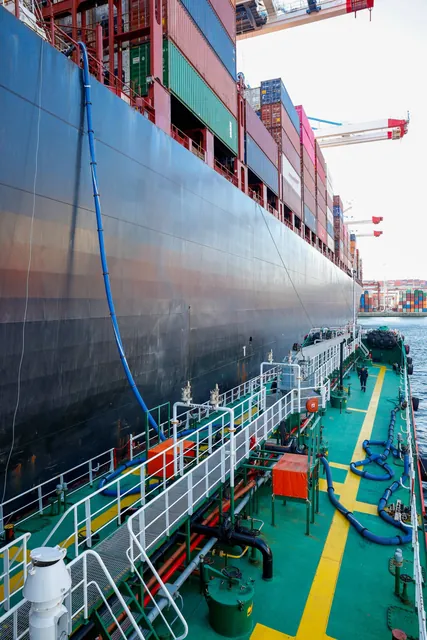
The Chinese state media reported that the patrol had ended late on Wednesday, after it had inspected 198 passing vessels and rectified violations involving three ships. The operation also included a hydrographic survey and patrolling areas where undersea cables are located.
Taiwan's coast guard has issued a statement saying that Beijing has no jurisdiction in those waters and that whenever Chinese ships appear, Taiwan's own vessels will 'forcefully drive them away, and maintain the freedom and safety of navigation'. This stance underscores the island's determination to defend its sovereignty.
China recognises no sovereignty claimed by Taiwan, and Chinese warships and warplanes operate around the island on an almost daily basis. The situation remains tense, with Beijing rebuffing President Lai Ching-te's offers of talks.
Taiwan's government says only the island's people can decide their future, and President Lai has repeatedly offered talks with China. However, Beijing has refused to engage in any meaningful dialogue, describing Lai as a 'separatist'.
The escalating tensions between China and Taiwan highlight the complexities of maritime sovereignty in the Asia-Pacific region. The situation is further complicated by the presence of other nations, such as Japan and the Philippines, which are also asserting their claims in the region.
The Chinese state media reported that ships had been sent to carry out a 'special maritime traffic law-enforcement operation' and inspect shipping in waters east of Taiwan. This move was seen as an attempt by Beijing to assert its jurisdiction over the disputed waters.
Taiwan's coast guard has vowed to defend its waters against Chinese aggression, and has issued a statement saying that it will take all necessary measures to protect its sovereignty. The situation remains uncertain, with both sides maintaining their positions.
The future of Taiwan's sovereignty remains a contentious issue, with China continuing to claim the island as its own territory. The international community is watching the situation closely, as the implications for regional stability and global trade are significant.
The escalating tensions between China and Taiwan highlight the complexities of maritime sovereignty in the Asia-Pacific region.