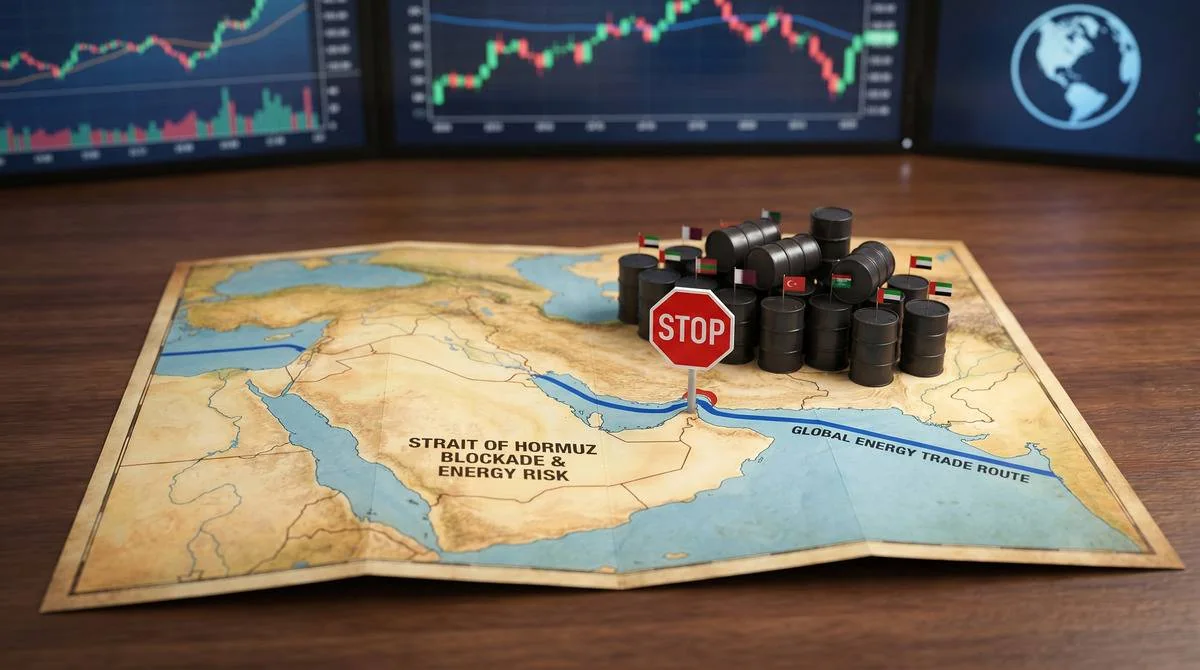
The reopening of the Strait of Hormuz will likely lead to a surge in oil exports from Saudi Arabia, Bahrain, the UAE, Qatar, Kuwait, Iraq, and Iran, which could erode Opec's grip on the market. The closure of the vital waterway has sharply diminished output from the Organization of the Petroleum Exporting Countries and moved the industry's centre of gravity away from the Middle East.
The Iran war and the closure of the Strait of Hormuz have significantly impacted the global oil supply, with nearly a fifth of the world's oil and gas flowing through the waterway before the conflict. The loss of 13 million barrels per day in Middle East exports represents more than $80 billion in lost revenue since the start of the war.
Riyadh's options for countering these changes are limited, and the eventual reopening of the Strait of Hormuz will likely lead to a cautious and contested recovery. Iran is determined to retain some measure of control, suggesting that any recovery will be bumpy and unpredictable.
The incentives to move quickly will be huge given pent-up demand from major energy importers, particularly in Asia. Asian governments and refineries have sharply curtailed consumption during the conflict and drawn down inventories, making them eager to rebuild stockpiles.
However, supply and demand are unlikely to recover in sync, with it taking months for Middle East producers to restart much of their shut-in output. The likely result is an uneven, stop-start rebound that strains supply chains and injects fresh volatility into oil prices.
Historically, Opec has played a crucial role in stabilizing markets during past crises by adjusting output. However, the cartel looks far less capable of playing this role due to internal divisions and reduced capacity.
The war has left Opec weakened and fragmented, with its production collapsing to an average 20 million bpd in April from 31 million in February. Opec's share of global production has dropped to an all-time low of around 22%.
More damaging still, the UAE's decision in April to reduce its production capacity has further exacerbated the cartel's woes. The loss of this output will only add to the already significant decline in Middle East exports.
The reopening of the Strait of Hormuz and the subsequent surge in oil exports from the region will have far-reaching implications for the global energy market, highlighting the need for a more coordinated response to ensure stability and predictability.
The cartel's ability to stabilize markets is compromised due to internal divisions and reduced capacity.