
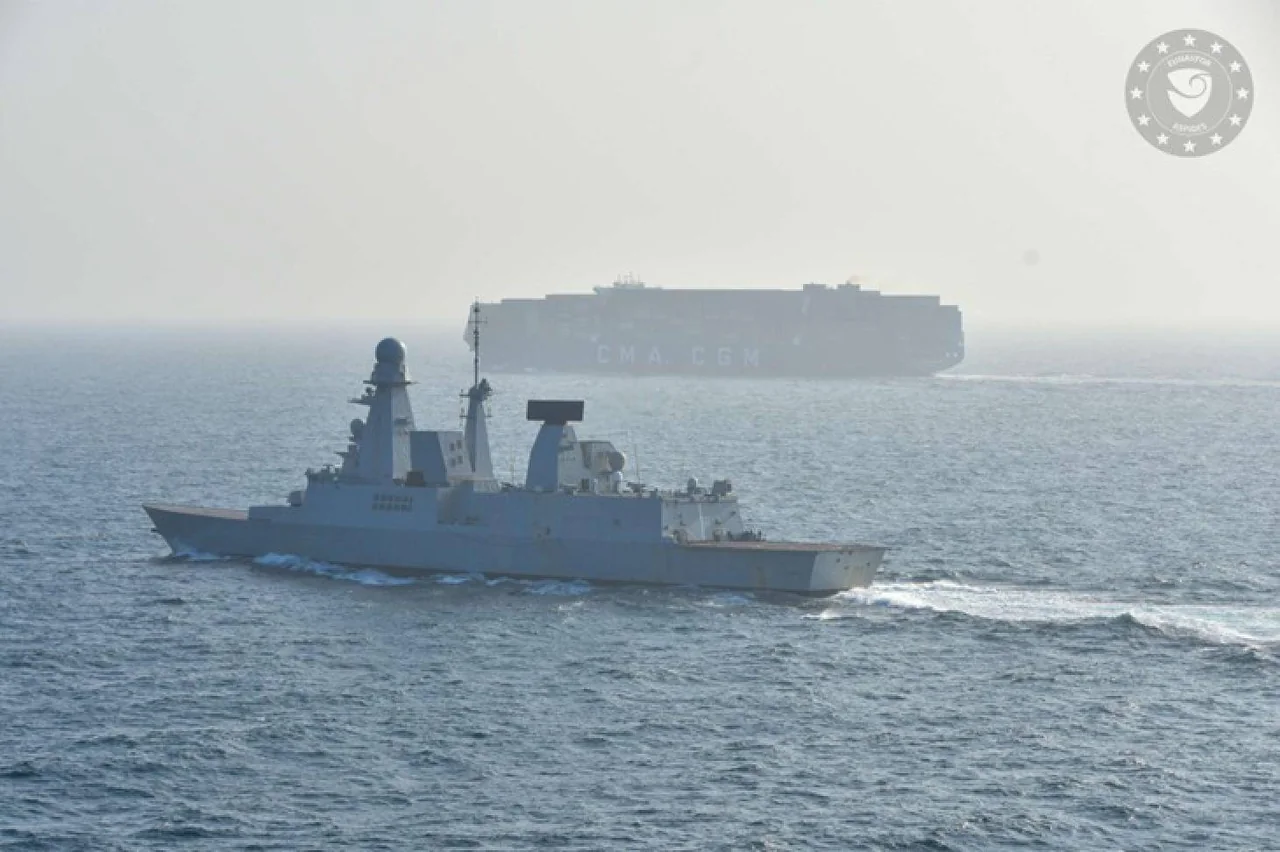
The EU Council has extended the European Union’s maritime security operation to safeguard freedom of navigation in relation to the Red Sea crisis (EUNAVFOR ASPIDES) until 28 February 2027, following a strategic review of the operation. This decision demonstrates the ongoing commitment of the EU to ensure the safety and stability of international shipping routes. The extension of the operation will provide critical support to vessels operating in the region, particularly in light of the recent increase in threats against merchant and commercial vessels.
The Council agreed to provide nearly €15 million ($18 million) to cover the costs of the operation, which contributes to safeguarding freedom of navigation in the Red Sea and surrounding waters. This financial commitment underscores the EU’s dedication to protecting the rights of all nations to navigate freely and safely. The operation will continue to play a vital role in maintaining stability along key maritime routes.
Operation ASPIDES provides defensive maritime security, protects vessels, and supports stability along key maritime routes in accordance with international law. By extension, this operation highlights the importance of cooperation between nations in maintaining global maritime security. The EU’s efforts in this area will undoubtedly have a positive impact on regional stability.
EUNAVFOR ASPIDES was established by the EU in February 2024 as a defensive operation in response to the Red Sea crisis, following repeated Houthi attacks on international shipping since October 2023. This marked a significant escalation in the region’s security challenges, prompting the EU to take proactive measures to address these concerns. The operation has been instrumental in protecting vessels and safeguarding freedom of navigation.
The operation was launched with a mandate to protect vessels and safeguard freedom of navigation and is active along the main sea lines of communication around the Baab al-Mandab Strait and monitors the maritime situation in the Strait of Hormuz, as well as international waters in the Red Sea, the Gulf of Aden, the Arabian Sea, the Gulf of Oman, and the Gulf. This comprehensive approach ensures that the EU is addressing a wide range of security concerns in the region.
ASPIDES is headquartered in Larissa, Greece, and headed by Rear Admiral Vasileios Gryparis. The leadership of Rear Admiral Gryparis underscores the EU’s commitment to effective military command and coordination. His experience will undoubtedly be crucial in navigating the complex security landscape of the Red Sea region.
The extension of EUNAVFOR ASPIDES is a testament to the ongoing efforts of the EU to promote maritime security and stability in key regions. As the situation in the Red Sea continues to evolve, it is essential that the EU remains vigilant and proactive in its response to emerging challenges. The operation will undoubtedly continue to play a critical role in maintaining regional stability.
The decision to extend EUNAVFOR ASPIDES highlights the importance of international cooperation in addressing maritime security concerns. As nations work together to address these challenges, they can better ensure the safety and stability of global shipping routes. This cooperation is essential for promoting peace and prosperity in regions where maritime security is critical.
In light of the ongoing Red Sea crisis, it is clear that EUNAVFOR ASPIDES will remain an essential component of the EU’s maritime security strategy. The extension of this operation underscores the EU's commitment to protecting freedom of navigation and supporting stability along key maritime routes.
The extension of EUNAVFOR ASPIDES highlights the ongoing concerns over maritime security in the Red Sea region.