
Argentina's accession to the Cape Town Agreement marks a major milestone in the global maritime safety framework, closing a longstanding gap in the sector.
This development brings the total number of Member State accessions to 28, representing 3,754 vessels of 24 meters or more in length.
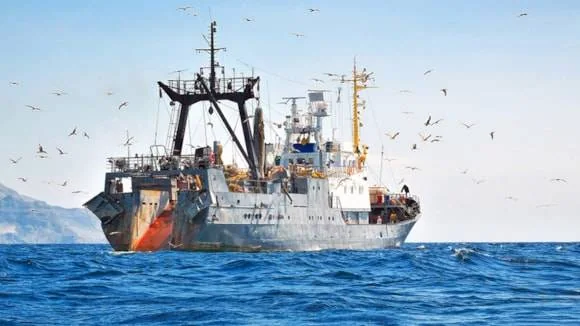
The agreement sets out mandatory safety standards for over 45,000 fishing vessels, helping to prevent casualties and improve working conditions for fishers.
By incorporating the provisions of the Cape Town Agreement into national law, States Parties will be able to enforce these standards as they would any other legislation.
Flag States must ensure that vessels under their registries comply with the agreement's requirements, while Port States have the right to inspect foreign vessels in their ports to verify compliance.
The treaty also aims to reduce marine plastic pollution from abandoned or lost fishing gear, a critical issue for global fisheries management.
With Argentina's accession, the 28 Contracting States to the Cape Town Agreement will collectively represent 3,600 qualifying fishing vessels, setting a new standard for safety and competitiveness in the industry.
The Cape Town Agreement is the culmination of decades of work by IMO, building on earlier international instruments that did not enter into force.
This major development underscores the importance of global cooperation in addressing the complex challenges facing the world's oceans.
The Cape Town Agreement is expected to have a significant impact on the global fishing industry, leading to improved safety standards and reduced marine pollution.