
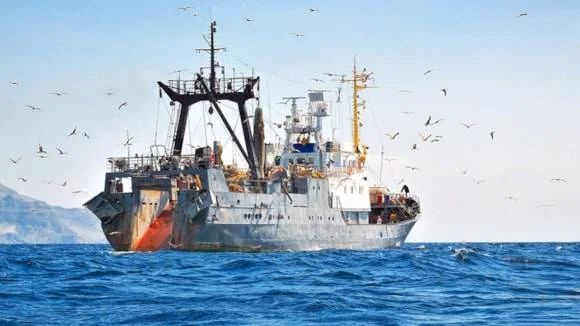
The 2012 Cape Town Agreement has met the requirements for entry into force and will enter into force in February 2027, closing a longstanding gap in the global maritime safety framework. This milestone is a result of decades of work by IMO to build on earlier international instruments that did not enter into force.
The Agreement sets out mandatory safety standards for more than 45,000 fishing vessels of 24 meters in length and over, helping to prevent casualties, improve working conditions for fishers, enhance competitiveness and protect the marine environment. The treaty's provisions are designed to safeguard both crew members and vessels from various hazards.
Welcoming the milestone, IMO Secretary-General Mr. Arsenio Dominguez said: “Thousands of fishers lose their lives every year while working to supply the world's growing appetite for fish and fish products. The 2012 Cape Town Agreement will help protect fishing crews, while safeguarding vessels.” This statement highlights the urgent need for improved safety measures in the global fishing industry.
Argentina became the latest country to accede to the Agreement, bringing the total number of Member State accessions to 28, representing 3,754 vessels of 24 meters or more in length. The Cape Town Agreement enters into force 12 months after at least 22 States, collectively representing 3,600 qualifying fishing vessels - typically ocean-going ships operating on the high seas - consent to being bound by the treaty.
Once in force, States Parties must incorporate the provisions of the 2012 Cape Town Agreement into national law and enforce it as they would any other legislation. This will require significant efforts from governments to update their regulatory frameworks and ensure compliance among all vessels under their jurisdiction.
Flag States must ensure that vessels under their registries comply with the treaty's requirements, while Port States have the right to inspect foreign vessels in their ports to verify compliance. These inspections will be crucial in enforcing the treaty's provisions and preventing non-compliance.
Beyond safety, the Agreement is also expected to support the reduction of marine plastic pollution from abandoned or lost fishing gear. This aspect of the treaty highlights the need for sustainable practices in the fishing industry to minimize environmental impact.
The 2012 Cape Town Agreement represents the fourth pillar in global fishing vessel safety, alongside IMO’s STCW-F Convention on training and certification of fishers, ILO’s Work in Fishing Convention, 2007, which sets minimum requirements for work on board, including hours of rest, food, minimum age and repatriation, and FAO’s Agreement on Port State Measures to Prevent, Deter and Eliminate Illegal, Unreported and Unregulated (IUU) Fishing, 2009.
With Argentina's accession, the 28 Contracting States to the Cape Town Agreement, representing 3,754 qualifying fishing vessels, include a diverse range of countries from Europe, Africa, Asia and the Pacific. The inclusion of these countries underscores the treaty's global scope and ambition to promote safety and sustainability in the fishing industry.
The 2012 Cape Town Agreement marks a significant step towards improving global fishing vessel safety, but challenges remain in implementing its provisions.