The recent military strike by the United States and Israel against Iran has sent shockwaves throughout the global maritime sector, with commercial shipping in the Persian Gulf and adjacent waters facing significant security risks. The attacks have prompted vessels to seek refuge in neutral states such as the UAE and Qatar, while others are delaying entry into the region until the situation stabilizes. This sudden escalation of tensions has left the industry on high alert, with many operators scrambling to assess the potential impact on their operations and cargo flows.
The insurance market is also bracing for impact, with war risk premiums expected to surge manyfold in response to the deteriorating regional stability. Vessels with business connections to U.S. or Israeli interests may find it difficult or impossible to secure insurance coverage for voyages into the affected waters, which could significantly constrain traffic flows in and out of the Persian Gulf.
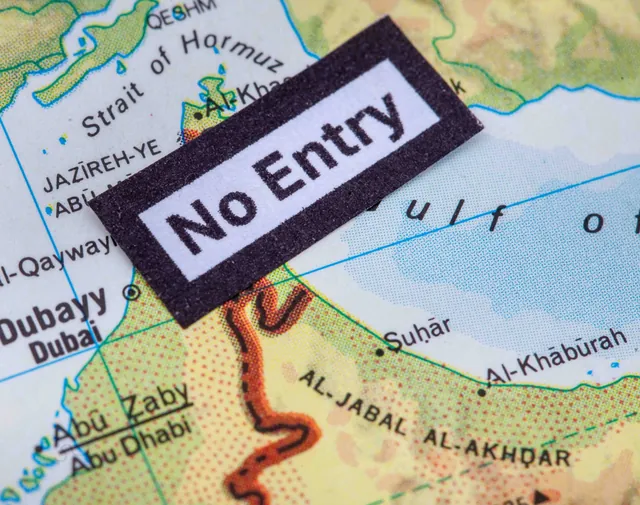
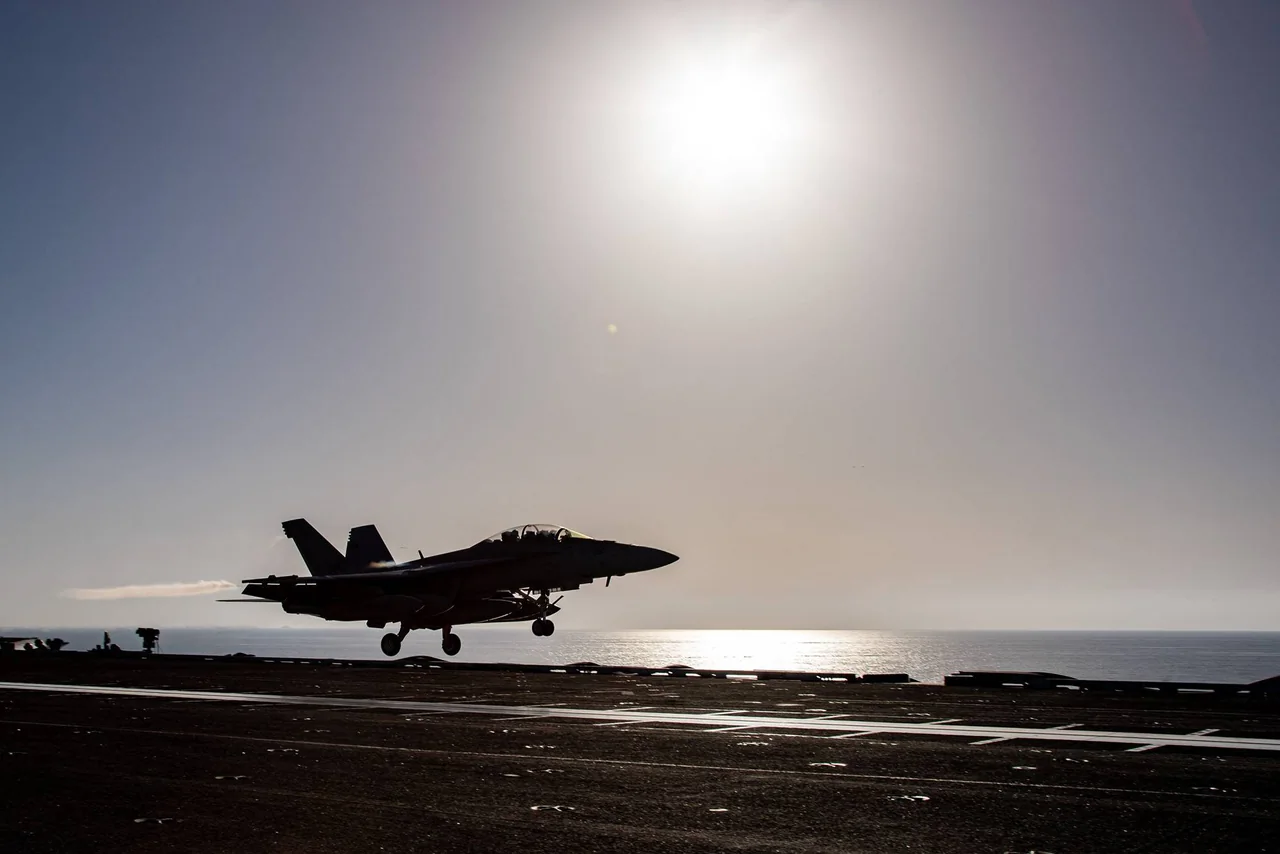
The Strait of Hormuz, a vital waterway for global energy and commodity flows, is particularly vulnerable to disruption. Iran's naval capabilities, including its ability to target maritime traffic, pose a significant threat to commercial shipping in the region. However, it is likely that U.S. air and naval superiority will eventually establish sufficient security to allow commercial shipping to resume transits through the Strait.
The conflict's implications extend beyond the Persian Gulf, with the Houthis potentially intensifying attacks on commercial shipping in the Red Sea and Gulf of Aden. This could further strain global supply chains and prompt additional shipowners to reroute vessels around the Cape of Good Hope, adding time and cost to Asia-Europe and transatlantic trades.
The U.S. Maritime Warning Zone, covering the Persian Gulf, Gulf of Oman, North Arabian Sea, and Strait of Hormuz, has been established in response to the outbreak of hostilities. Commercial vessels have been advised to navigate with caution and avoid the zone if possible, while neutral and merchant shipping remains legally free to transit international waters.
Shipowners must carefully evaluate the intent, capability, and opportunity of hostile actors to attack, as well as the vulnerability of their crew, vessel, cargo, and environment. Mitigation measures may include enhanced watchkeeping, adjusted routing, increased damage-control readiness, and liaison with naval forces operating in the region.
The decision to transit or avoid the region hinges on a structured risk assessment process, which must take into account each company's risk tolerance, shaped by corporate culture and crew acceptance levels. Ultimately, the final decision may be to stay away entirely, as some companies may deem the risks too high.
The latest escalation once again places the Persian Gulf at the center of geopolitical risk, with higher insurance costs, potential rerouting, and temporary withdrawal of tonnage from the region expected to tighten vessel supply and inject further volatility into freight markets.
As the situation continues to unfold, the global maritime sector will be watching closely for signs of Iranian retaliation and the speed with which Western naval forces reassert control of key sea lanes. For now, the message is clear: heightened caution, rigorous risk assessment, and close coordination with insurers and naval authorities will define shipping's response in the days ahead.