The chaos in the Middle East is leaving regional and international markets bracing for the inevitable whirlpool of global insanity that is about to suck the entire world into short-term tumult. Oil was already on its way up during the week, but as the weekend came around, it spiked over 10%, jumping from around USD 63/barrel last week to nearly USD 71.90/barrel at the time of writing.
The Baltic Exchange also saw a significant increase, rising 1.1% in comparison to oil futures, which is a clear indication that investors are shifting their focus towards more volatile assets. However, the overall market sentiment remains cautious, with many experts warning of further disruptions in the coming weeks.
The Cape, Panamax, and Supra indices all climbed 0.2%, 1.4%, and 3% respectively, indicating a slight uptick in shipping activity. Nevertheless, this increase is largely attributed to speculative trading rather than genuine demand for ship recycling services.
Currencies also took a hammering, as all of the major ship recycling destinations registered declines across the board. This decline is largely due to the rising value of the US dollar, which has made it more expensive for buyers to purchase ships in international markets.
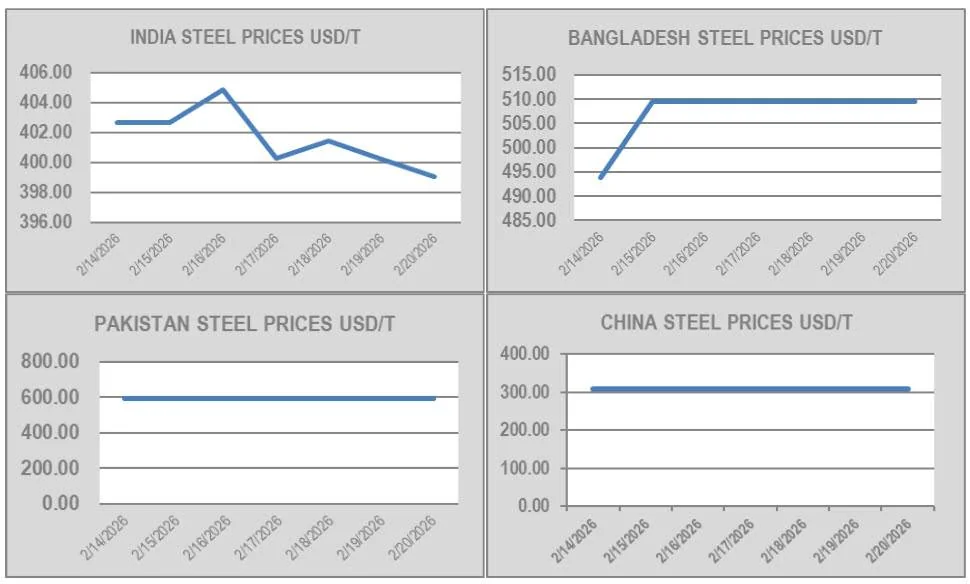
Local steel plate prices also declined across the board, albeit marginally. This decrease is a result of reduced demand from the shipbuilding sector, which is also feeling the effects of the current market volatility.
Ship recycling activity has taken a back seat for now, as markets stall in anticipation of further drama and a lack of sales once again filters through to recycling markets that have already been deprived of tonnage due to recurring geopolitical setbacks. The industry is heavily reliant on international trade, which makes it particularly vulnerable to disruptions in global commodity prices.
The current market conditions are a stark reminder of the interconnectedness of global supply chains and the need for industries like ship recycling to be resilient in the face of uncertainty. As the situation in the Middle East continues to unfold, it remains to be seen how this will impact the global economy and the shipping industry.
In recent years, the ship recycling industry has faced numerous challenges, including changes in international regulations and a decline in demand for recyclable materials. However, the current market volatility presents a unique challenge that requires careful navigation by industry players.
As the situation continues to unfold, it is essential for stakeholders in the global shipping industry to remain vigilant and adapt to changing market conditions. The long-term sustainability of the ship recycling industry depends on its ability to navigate these challenges and emerge stronger and more resilient.
The current market volatility has significant implications for the global ship recycling industry, which relies heavily on international trade and commodity prices.