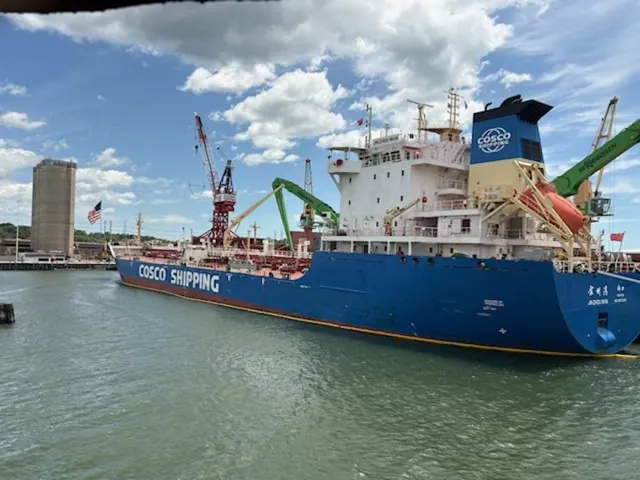


The global oil market is experiencing a significant surge in prices, with Brent crude advancing by over 3% to reach $83.84 per barrel, and US West Texas Intermediate crude rising by 3.27% to $77.10. This marks the fifth consecutive session of gains for oil prices, as investors continue to monitor the escalating conflict between the United States, Israel, and Iran. The recent tensions in the region have raised concerns about the potential disruption to vital Middle East oil and gas supplies, which could have far-reaching consequences for global energy markets.
The Strait of Hormuz, a critical waterway for international shipping, remains a key point of concern for oil traders and analysts. With millions of residents in Iran forced into bomb shelters following recent missile attacks, the region is on high alert, and any further disruptions to trade flows could have devastating effects on global energy markets. The ongoing conflict has already led to a significant increase in oil prices, with some traders predicting that prices may continue to rise as the situation unfolds.
Iran's military actions, including the launch of missiles at Israel and strikes on oil tankers in or near the Strait of Hormuz, have raised concerns about the stability of global energy markets. The recent sinking of an Iranian warship off Sri Lanka has also added to the sense of unease, with many analysts warning that the conflict could have long-term consequences for the region's oil production and exports.
The escalation of tensions in the Middle East has led to a significant increase in oil prices, with some traders predicting that prices may continue to rise as the situation unfolds. The powerful son of Iran's slain supreme leader is now seen as a frontrunner to succeed him, suggesting that Tehran may not be willing to back down from its military actions, even in the face of international pressure.
The impact of the conflict on global energy markets cannot be overstated. With Iraq, the second-largest crude producer in the Organization of the Petroleum Exporting Countries (OPEC), having cut output by nearly 1.5 million barrels a day due to lack of storage and export routes, any further disruptions to oil supplies could have severe consequences for global energy prices.
Qatar, the biggest liquefied natural gas producer in the Gulf, has declared force majeure on gas exports, with sources suggesting that a return to normal production volumes may take at least a month. This move is likely to have significant implications for global energy markets, particularly in regions where Qatar's gas is a major source of supply.
The conflict in the Middle East has also led to a significant increase in the number of ships waiting to pass through the Strait of Hormuz. According to Reuters estimates, at least 200 ships remain at anchor in open waters off the coast of major Gulf producers, including Iraq, Saudi Arabia, and Qatar. This could have severe consequences for global energy markets if the situation continues to deteriorate.
The waterway is a critical artery for around a fifth of the world's oil and LNG supply, making any disruptions to trade flows potentially catastrophic for global energy markets. The recent tensions in the region have highlighted the need for greater cooperation and stability in the Middle East, particularly when it comes to ensuring the safe passage of international shipping.
China has also taken steps to mitigate the impact of the conflict on its energy markets. The government has asked companies to suspend signing new contracts to export refined fuel and to try to cancel shipments already committed. This move is likely to have significant implications for global energy markets, particularly in regions where China's energy imports are a major source of supply.