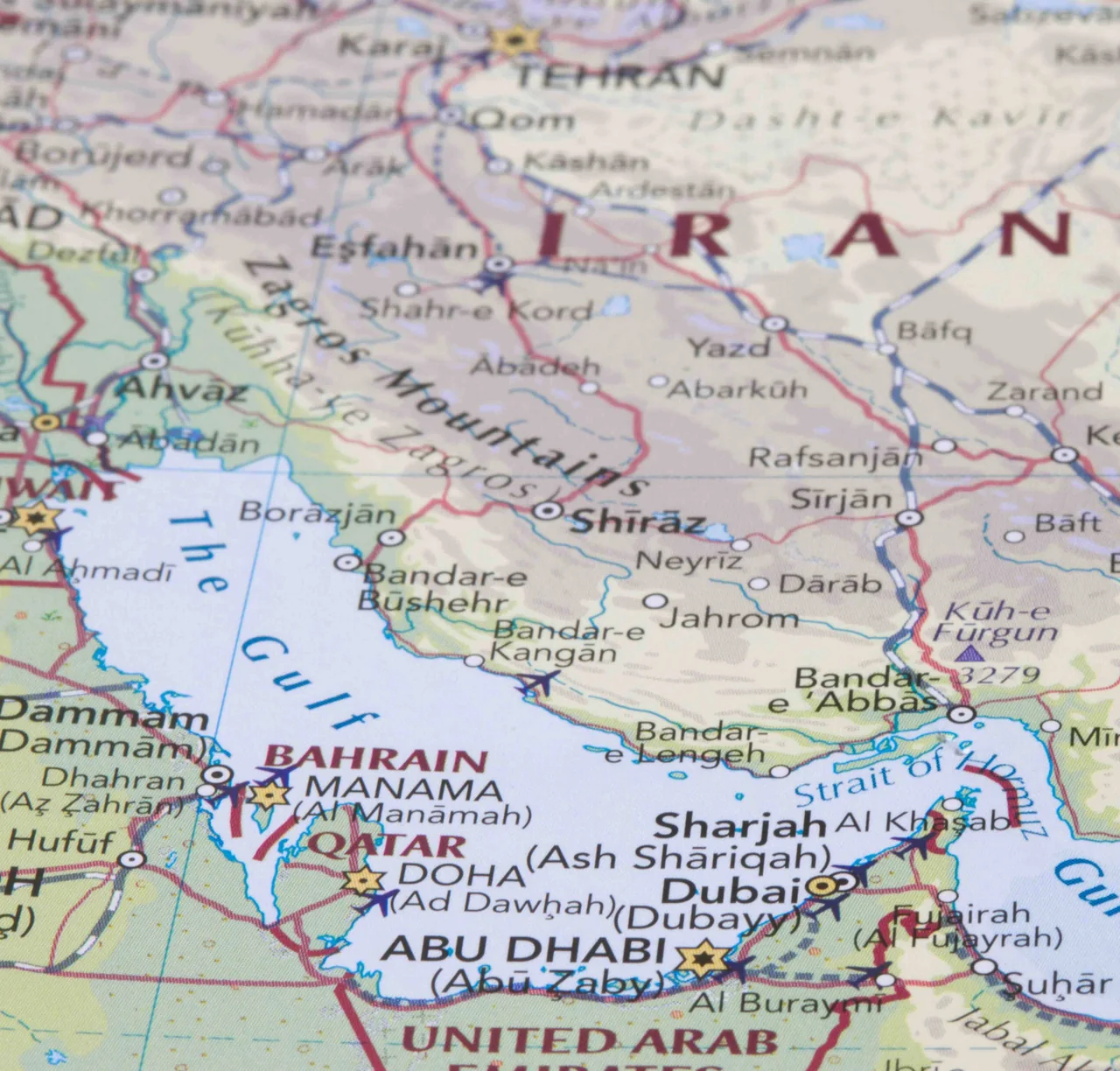
Seafarers have been granted the right to refuse sailing through the Middle East Gulf, including the Strait of Hormuz, due to the heightened threat level in the region. This move is a significant step towards ensuring the safety and well-being of maritime workers. The International Bargaining Forum (IBF) has negotiated arrangements with shipping companies to provide critical protections for seafarers operating in this high-risk area.
['Around 300 ships are currently anchored on both sides of the Strait, while tensions between the US and Iran continue to escalate. The recent escalation of violence has resulted in nine ships being damaged and at least one seafarer losing their life since February 28. This alarming trend underscores the need for greater caution and safety measures when navigating this critical waterway.', ["As part of the negotiated agreements, seafarers can now refuse to sail into the Middle East Gulf without facing any repercussions from their employers. Instead, they will receive repatriation at the company's cost and compensation equal to two months' basic wage. This provision aims to provide a safety net for seafarers who may be hesitant to take on this high-risk journey.", ["The International Transport Workers' Federation (ITF) has welcomed this development, stating that it ensures critical protections for seafarers operating in the region. The ITF's General Secretary, Stephen Cotton, has emphasized the importance of safeguarding workers' lives and livelihoods in the face of growing threats.", ["The fact that seafarers have been granted this right is a stark reminder of the dangers they face on a daily basis. It highlights the need for greater support and protection for these critical workers who keep the world's economies running. The ITF's comments serve as a powerful indictment of the current situation, where workers are forced to take risks simply to do their job.", ["The designation of the Middle East Gulf region as a high-risk area is a damning indictment of the situation facing seafarers today. It underscores the need for greater cooperation and support between governments, shipping companies, and maritime unions to ensure the safety and security of these workers. The ITF's General Secretary has aptly described this situation as 'a ticking time bomb' that requires immediate attention.", ['The increased risk in the Middle East Gulf region has significant implications for the global shipping industry. As tensions continue to escalate, it is essential that shipping companies prioritize the safety and well-being of their crew members. This includes providing adequate training, equipment, and support to mitigate these risks.', ["The ITF's efforts to secure better protections for seafarers are a testament to the organization's commitment to safeguarding workers' rights. The International Bargaining Forum's agreements demonstrate the industry's willingness to work towards greater safety and security measures in high-risk areas.", ["As the situation in the Middle East Gulf continues to unfold, it is crucial that shipping companies, governments, and maritime unions work together to ensure the safety and security of seafarers. The ITF's General Secretary has called for a 'new era' of cooperation and support to address these growing concerns.", ['The recent developments highlight the need for greater transparency and accountability in the shipping industry. As tensions continue to rise, it is essential that companies prioritize the safety and well-being of their crew members, while also ensuring compliance with international regulations and standards.']]]]]]]]]
The growing threat in the Middle East Gulf region has led to increased concerns for seafarers' safety, highlighting the need for greater protection and support.