

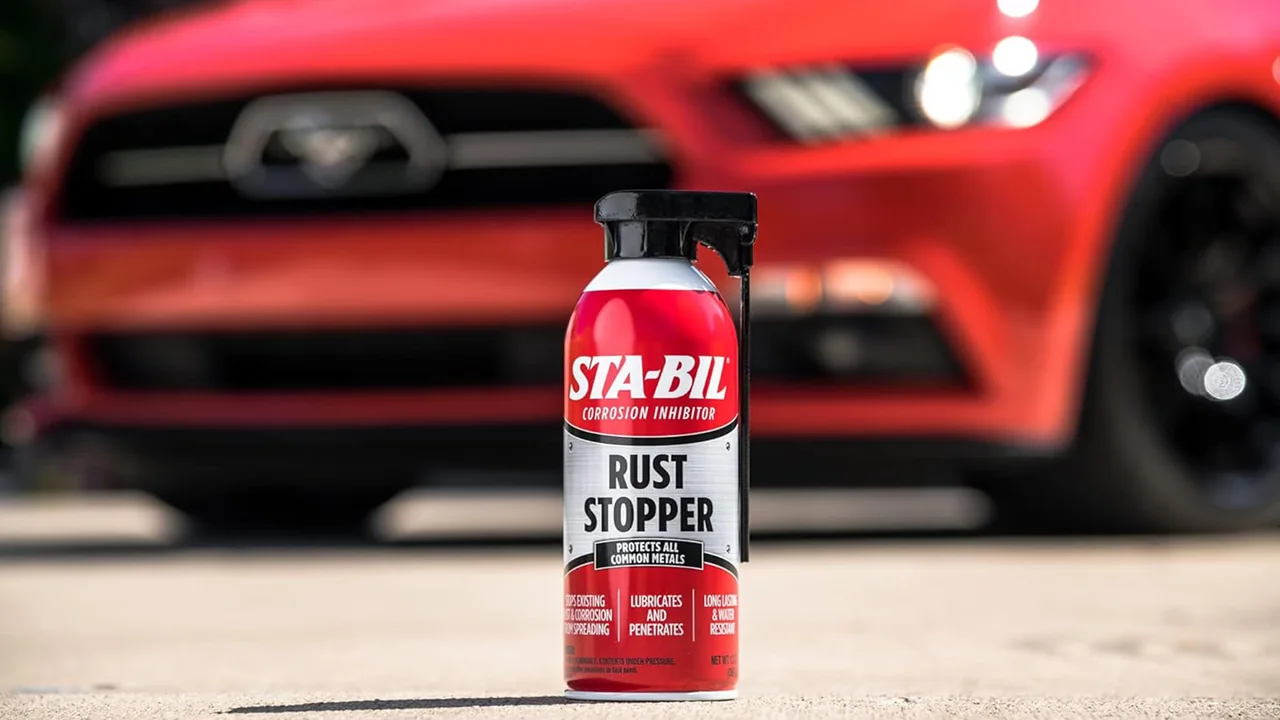
As winter comes to an end, many drivers turn their attention to the usual spring rituals: washing off months of grime, swapping winter tires, and giving their cars a long-overdue deep clean. This is also the perfect time to address another crucial aspect of car maintenance: stopping rust before it can take hold. With the onset of warmer weather, moisture levels increase, and the risk of corrosion grows. By tackling this task early on, drivers can significantly extend the life of their vehicles.
After a winter spent battling road salt, slush, and moisture, your car's underbody and exposed hardware have likely taken a beating. The consequences of neglecting rust prevention can be severe, including weakened components, seized bolts, and costly repairs down the line. A well-executed rust-inhibition strategy can help mitigate these risks.
A single can of rust inhibitor rarely suffices. To ensure full coverage, it's essential to apply multiple cans, reaching every seam and panel to lock out moisture. This 3-pack includes an extension wand and a spray trigger, making the process more accessible to enthusiasts who may not have experience with heavy-duty cleaning or application techniques.
Road salt works fast, accelerating corrosion when combined with moisture and oxygen. Brake lines, suspension arms, fasteners, and subframes are particularly vulnerable due to their constant exposure to salty slush during winter driving. As a result, it's crucial to target these areas with rust inhibitors to prevent long-term damage.
Rust inhibitors come in various forms, including lanolin-based sprays, wax coatings, and corrosion-inhibiting oils. These products create a protective barrier between the metal and the environment, dramatically slowing the corrosion process. By sealing out moisture and salt residue, treatments like Fluid Film can significantly extend the lifespan of critical components.
Many enthusiasts apply rust inhibitors annually, especially before winter, but spring is also an ideal time to treat the car after thoroughly cleaning away the season's salt buildup. This proactive approach can help maintain a vehicle's appearance and prevent costly repairs down the line.
Rust inhibitors are available in liquid form, which might offer cost savings for those who prefer this option. A handy spray tool like this lets users fill and spray themselves, streamlining the application process.
The key to successful rust inhibition lies in preparation and attention to detail. Start with a thorough wash, ideally using a pressure washer to flush salt from the frame rails, suspension components, and underbody seams. Once the vehicle is clean and dry, apply rust inhibitors to vulnerable areas, focusing on subframes, suspension mounts, brake and fuel lines, weld seams, and exposed fasteners.
For enthusiasts who plan to keep their vehicles long-term, preventative maintenance like this can pay off in a significant way. By addressing rust prevention early on, drivers can add years to the life of their cars or trucks, saving them from costly repairs and maintaining their resale value.