
Daily news
News
Daily updates from transport, logistics, equipment, and mobility.
Automotive
Back to homeLatest articles
Jalopnik·Automotive·May 5, 2026
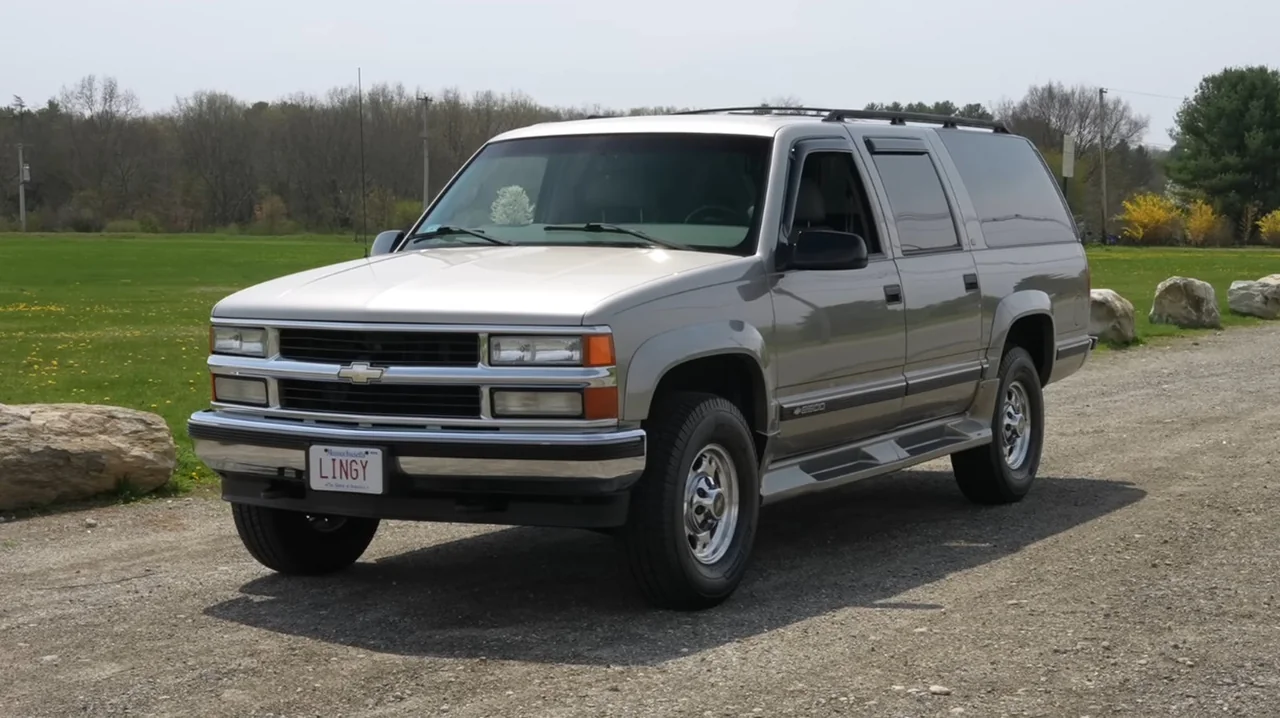
Lingenfelter's 9.9-Liter V8 Super SUV
Lingenfelter Performance Engineering, a renowned turner shop, has been involved in various high-performance projects over the years. Founded in the 1970s, the company has gained recognition for its innovative cylinder deactivation technology and powerful engine builds, including a 1,400-horsepower Corvette. In the mid-1990s, GMC approached Lingenfelter Performance with a request to transform the Suburban into a genuine performance machine. The project was commissioned as a feasibility study for a potential high-performance powertrain, but some stories suggest that the true motivation behind it was to create armored Suburbans capable of moving at high speeds in desert environments. The initial engine used in the project was the 7.4-liter Vortec V8, which was deemed insufficient for Lingenfelter's vision. The company opted to use a heavy-duty marine engine block instead, resulting in a massive 9.9-liter V8 engine. To accommodate this enormous displacement, Lingenfelter developed a custom intake manifold also used in Mercury Marine applications. This led to an astonishing 550 horsepower and 705 lb-ft of torque output from the engine. The Suburban's impressive power figures made it capable of remarkable acceleration, with the vehicle able to outperform a Porsche 911 Carrera from the same era. Car & Driver's performance tests recorded the Lingenfelter Suburban achieving 60 mph in just 4.6 seconds. This level of performance was unprecedented for a vehicle of its size and class, earning it a place among the fastest 90s cars. The quarter-mile acceleration time of 13.3 seconds at 103 mph further highlights the vehicle's capabilities. Despite being built with 1990s technology, the Lingenfelter Super SUV still manages to deliver an impressive driving experience. According to some who have driven it, the vehicle feels like it was built by Chevrolet in the factory, showcasing its exceptional comfort and refinement. The project's success demonstrates the potential for high-performance vehicles to be created from existing models. This highlights the importance of innovative engineering and performance design in pushing the boundaries of what is possible in the automotive industry.
Carscoops·Automotive·May 5, 2026
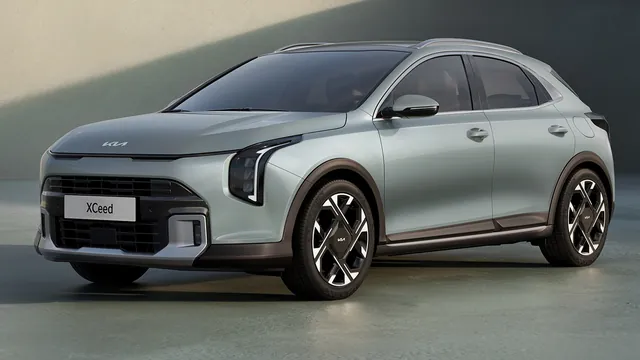
Kia Refreshes XCeed With EV-Inspired Looks
The Kia XCeed has received its second major facelift, bringing it in line with the rest of the Kia lineup in terms of design and technology. The update is significant, as it marks a substantial change for the crossover hatchback. The XCeed originally joined the Ceed family in 2019, serving as a high-riding alternative to the traditional hatchback. The latest styling language borrowed cues from Kia's EVs, with a redesigned face featuring vertical LED headlights and a much slimmer tiger-nose grille. Overall, the new fascia looks more similar to the EV3 and the recently facelifted Stonic than the ultra-aggressive K4. The greenhouse and sheet metal on the profile are carried over, although the XCeed has gained modern alloy wheels and at least one new shade. The rear end has also been redesigned with full-width LED taillights and a sculpted tailgate. The interior of the XCeed had started showing its age, but the second facelift brings notable changes. The overhauled dashboard features a modern digital cockpit with dual 12.3-inch displays borrowed from the rest of the Kia lineup. Kia has yet to detail the powertrains of the facelifted model, but confirmed it will offer gasoline and mild-hybrid options. This likely means that the plug-in hybrid won't be returning to the lineup. The crossover will also benefit from improved ride comfort, probably courtesy of a revised suspension setup. Production of the updated Kia XCeed is scheduled to start on May 29 at the Zilina plant. The update marks a significant shift in Kia's European strategy, as it focuses on modernizing its lineup and preparing for electrification. The move signals Kia's commitment to electrification in the European market, where the XCeed will compete with other electric and hybrid vehicles. With this facelift, Kia is positioning itself for success in the increasingly competitive crossover segment.

Honda Newsroom·Automotive·May 5, 2026
Honda Expands Motorcycle Production in Turkey
The automotive industry has witnessed significant investments and expansions in recent years, with companies like Honda focusing on diversifying their manufacturing capabilities. The opening of a new motorcycle production factory in Aliağa, Izmir, marks an important milestone for the company's global expansion strategy. This move is expected to enhance Honda's market presence and competitiveness in the region. Honda's commitment to Turkey dates back several years, with the company having established a significant manufacturing presence in the country. The new factory will further solidify this partnership, enabling the company to produce high-quality motorcycles for both domestic and international markets. The expansion of production capacity in Turkey is seen as a strategic move by Honda to capitalize on the region's growing demand for motorcycles. With the increasing popularity of two-wheeler vehicles, the Turkish market presents an attractive opportunity for the company to tap into new customer segments. Honda's decision to invest in a new motorcycle production factory in Aliağa, Izmir, is also expected to create jobs and stimulate local economic growth. The company has pledged to maintain its commitment to Turkey, with plans to continue investing in the region's manufacturing sector. The opening of this new factory underscores Honda's growing focus on emerging markets and its efforts to expand its global presence. As a leading manufacturer of motorcycles, Honda is well-positioned to capitalize on the increasing demand for two-wheeler vehicles worldwide. Turkey has emerged as an attractive destination for foreign investment in recent years, with its strategic location and favorable business environment making it an ideal location for manufacturing operations. The government's efforts to promote industrial growth and attract foreign investment have contributed significantly to this trend. The new motorcycle production factory is expected to be a state-of-the-art facility, equipped with the latest technology and machinery. This will enable Honda to produce high-quality motorcycles that meet the evolving demands of customers worldwide. Honda's expansion in Turkey marks an important chapter in the company's history, as it continues to pursue its long-term vision for growth and success. The company's commitment to innovation and quality is evident in its investment in this new factory. The opening of the new motorcycle production factory is a significant development in the Turkish automotive industry, with implications for local businesses and consumers alike. As Honda continues to invest in the region, it is likely that other manufacturers will follow suit, driving growth and competition in the sector. Overall, Honda's decision to open a new motorcycle production factory in Aliağa, Izmir, reflects the company's confidence in Turkey's growing economy and its commitment to expanding its global presence. This move is expected to have a positive impact on both the local and international markets.

BMW Group Press·Automotive·May 5, 2026
BMW Marks Milestone with Two Millionth Electric Vehicle
BMW Group celebrates two millionth all-electric vehicle production milestone with a BMW i5 M60 xDrive sedan. The anniversary vehicle, painted Tansanit Blue, will be delivered to a customer in Spain. Plant Dingolfing has become the home of the most diverse range of all-electric models within the BMW Group, including the BMW iX, i5 sedan and touring, and i7. Since 2021, more than 320,000 all-electric vehicles have been produced at the site, accounting for almost every sixth of the total two million BEVs produced by the company. The BMW Group's strategy to produce a wide range of electric models on a single production line is yielding significant results, with over a quarter of the vehicles produced at Plant Dingolfing being all-electric in 2025. This approach allows for maximum flexibility and enables the company to adapt quickly to changing market demands. As part of its BMW iFACTORY initiative, the BMW Group is committed to a technology-open approach that enables flexible production on a single line. This has led to the widespread adoption of electric mobility across the company's production network, with at least one all-electric model being produced at every German BMW Group plant for several years. The increasing demand for electric vehicles is driving innovation in the automotive industry, with companies like the BMW Group investing heavily in research and development. As the world's second-largest production location for electric cars, Germany is well-positioned to meet this growing demand. BMW's commitment to sustainability is reflected in its low energy consumption combined figure of 19.5–19.4 kWh/100 km (WLTP), with zero CO2 emissions combined and a CO2 class of A. This demonstrates the company's dedication to reducing its environmental impact and producing environmentally friendly vehicles. The production of all-electric vehicles is becoming increasingly important for companies like the BMW Group, which are looking to reduce their carbon footprint and meet growing demand for sustainable transportation options. As the automotive industry continues to evolve, companies like the BMW Group will play a crucial role in shaping the future of mobility. With its commitment to electric vehicles and sustainability, the company is well-positioned to meet this challenge. BMW's two millionth all-electric vehicle marks an important milestone in the company's journey towards a more sustainable future. As the demand for electric vehicles continues to grow, companies like the BMW Group will need to adapt quickly to changing market demands and invest heavily in research and development.

Carscoops·Automotive·May 5, 2026
High-Speed PIT Maneuver Ends in Chaos and Questionable Tactics
A high-speed pursuit in Arkansas ended in chaos and raised questions about police tactics when a trooper attempted a PIT maneuver at an unprecedented 133 mph. The incident occurred on April 24, 2026, during which the suspect was traveling at approximately 214 km/h. The trooper's vehicle also reached extreme speeds before crashing into a highway barrier. The PIT maneuver is often used as a last resort to apprehend suspects during high-speed pursuits. However, when executed at such high velocities, the consequences can be catastrophic. In this case, the suspect managed to evade injury by mere inches, while innocent motorists were forced to take evasive action to avoid being hit by the out-of-control patrol car. The incident highlights the ongoing debate around high-speed PIT tactics and the need for police departments to reassess their strategies. Many agencies across the U.S. restrict PIT maneuvers to lower speeds or prohibit them entirely on busy highways due to the risks involved. According to dashcam footage, the trooper completed the PIT maneuver at 9:31 PM, but lost control of his vehicle almost immediately after. The suspect's car crashed into a wall, and the trooper's vehicle swerved across traffic before hitting another barrier and sliding backwards. The fact that the suspect was traveling at such high speeds may have contributed to the trooper's aggressive decision-making. However, this incident serves as a reminder of the importance of prioritizing public safety above all else. Many police departments are taking steps to reevaluate their PIT policies in light of incidents like this one. The California Highway Patrol, for example, caps PIT maneuvers at 35 mph, while the North Carolina Highway Patrol allows them up to 55 mph. The use of high-speed PIT maneuvers can have devastating consequences if not executed properly. In this case, the suspect was able to avoid injury by chance, but innocent motorists were forced to take extreme measures to avoid being hit. The incident raises questions about the training and protocols in place for police officers who engage in high-speed pursuits. It is essential that law enforcement agencies prioritize officer safety and public safety above all else. In light of this incident, it is crucial that police departments and lawmakers reexamine their policies on PIT maneuvers and consider implementing stricter guidelines to ensure public safety. The fact that the trooper's vehicle reached speeds of over 100 mph after crashing into the first barrier highlights the unpredictable nature of high-speed PIT maneuvers. It is essential that law enforcement agencies take a more cautious approach when executing such tactics.
Autoweek (All)·Automotive·May 4, 2026
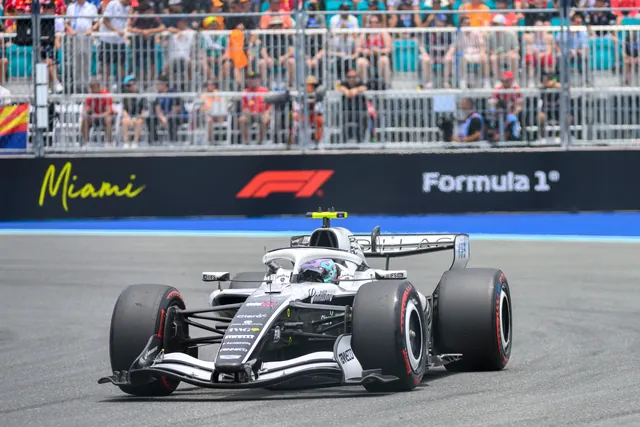
Cadillac F1 Team Shows Progress with Miami Upgrades
Cadillac ventured to US soil for the first time as a Formula 1 team with a prominent presence at the track and in downtown Miami, showing encouraging signs on-track. The team battled with the Honda-powered Aston Martin team, with Fernando Alonso beating Perez to 15th place by just 2.5 seconds, highlighting the need for improvement in soft tire handling. Cadillac introduced its first major upgrade package of the season, featuring updated front wing flaps and end plates, a new floor, new floor boards, and a new rear brake drum, which resulted in significant weight savings and aero upgrades. The team's main weakness compared to Aston Martin was its inability to work the soft tire, while the MAC-26 also suffered from higher degradation on the harder tire around the smooth low-grip Miami surface. Perez battled with the tail-end of the midfield during the early stages of Saturday's Sprint Race, providing further encouragement for the team's progress. The high point results-wise of the weekend came during Sprint Qualifying, where Perez was only 19th but within three tenths of a second of making SQ2. Despite operational delays and setbacks, the team showed resilience and determination in its efforts to improve performance. With Aston Martin expected to continue improving throughout the season, Cadillac must prioritize addressing its weaknesses in soft tire handling and hard tire degradation to remain competitive. The team's progress is a promising sign for its future success in Formula 1, but it still has a long way to go before achieving consistent results.

Toyota USA Newsroom (All)·Automotive·May 4, 2026
Toyota Hydrogen Fuel Cell Trucks Set to Hit Roads
Toyota has announced a strategic collaboration with Hyroad to deploy hydrogen fuel cell trucks on roads. The partnership aims to accelerate the adoption of hydrogen fuel cell technology in the trucking industry. By leveraging their combined expertise, Toyota and Hyroad plan to develop a comprehensive solution for the transportation sector. The hydrogen fuel cell system will be designed to provide a reliable and efficient means of powering heavy-duty trucks. This collaboration is seen as a significant step towards reducing greenhouse gas emissions from the transportation sector. With the increasing focus on sustainability and environmental responsibility, this partnership is expected to have a positive impact on the industry. Hyroad's hydrogen fuel cell technology has already gained recognition for its potential in the trucking industry. The company's expertise in developing efficient and cost-effective solutions will be crucial in bringing this technology to market. Toyota's involvement will provide a significant boost to the project, leveraging their global presence and resources. The partnership will involve the development of a hydrogen fuel cell system specifically designed for heavy-duty trucks. This system will be optimized for efficiency, reliability, and cost-effectiveness. The collaboration will also focus on establishing a comprehensive support network for the deployment of these vehicles. Toyota's commitment to innovation and sustainability is evident in this strategic partnership. By working with Hyroad, Toyota aims to accelerate the adoption of hydrogen fuel cell technology in the trucking industry. This move is expected to have a positive impact on the environment and contribute to a more sustainable future. The deployment of hydrogen fuel cell trucks will require significant investment in infrastructure, including hydrogen refueling stations. Toyota and Hyroad plan to work together to establish a comprehensive network of these stations, ensuring that drivers can easily access the necessary fueling points. Hydrogen fuel cell technology has several advantages over traditional fossil-fuel-based vehicles. These include reduced greenhouse gas emissions, lower operating costs, and improved performance. As the transportation sector continues to evolve, hydrogen fuel cell technology is expected to play an increasingly important role. The partnership between Toyota and Hyroad marks a significant milestone in the development of hydrogen fuel cell trucks. This collaboration has the potential to accelerate the adoption of this technology, contributing to a more sustainable future for the transportation sector. Toyota's hydrogen fuel cell truck project will be closely monitored by s and environmental groups. The success of this initiative will depend on several factors, including the effectiveness of the hydrogen refueling infrastructure and the overall cost-benefit analysis of the technology. As the transportation sector continues to evolve, companies like Toyota and Hyroad are playing a crucial role in shaping the future of sustainable mobility. Their collaboration on hydrogen fuel cell trucks is expected to have a lasting impact on the industry, contributing to a more environmentally friendly and efficient transportation system.
Autoweek (All)·Automotive·May 4, 2026
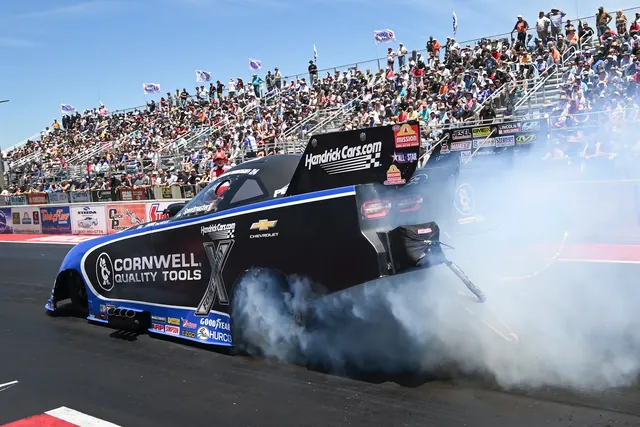
Vandergriff Scores First Funny Car Win
Vandergriff's emotional victory celebration mirrors his uncle Bob's iconic moment. The young driver attributes his success to years of hard work and a strong team behind him. Vandergriff's lane choice strategy proved crucial in securing the win at South Georgia Motorsports Park. The inaugural event at the facility may have leveled the playing field for Vandergriff, but it was his skills that ultimately took the top spot. Vandergriff's victory marks a significant milestone in his career as the 13th different driver to win for John Force Racing. The Fox Sports crew and John Beckman were quick to congratulate Vandergriff after his historic win. Vandergriff's celebration was a nod to his uncle Bob, who executed a similar victory dance every time he won a Top Fuel event. The 31-year-old Atlanta resident has come a long way since his early days in racing. With this win, Vandergriff solidifies his position as a force to be reckoned with in the NHRA Funny Car division.

Toyota USA Newsroom (All)·Automotive·May 4, 2026
Toyota Motor North America Shuffles Leadership
The automotive giant has announced significant executive changes, effective immediately. The new leadership structure is designed to drive business growth and innovation in the highly competitive U.S. market. This strategic move is expected to have a lasting impact on Toyota's operations and future prospects. The company has appointed a new Chief Executive Officer (CEO) who will lead the organization for the next four-year term. The new CEO brings extensive experience in driving business growth and expansion, both domestically and internationally. This appointment marks a significant shift in leadership at Toyota Motor North America, as the organization looks to navigate the rapidly evolving automotive landscape. The executive Vice President of Sales, Marketing, and Customer Service will assume the role of President and Chief Operating Officer (COO) of Toyota Motor North America. The COO is responsible for overseeing all U.S. operations, including sales, marketing, product development, and manufacturing. This change in leadership structure is intended to enhance operational efficiency and drive business growth. The new CEO's appointment is seen as a strategic move by the company to strengthen its market presence and competitiveness in the U.S. automotive industry. The leadership shuffle aims to leverage Toyota's expertise and resources to drive innovation and growth, while maintaining its commitment to quality and customer satisfaction. Toyota Motor North America has a long history of innovation and excellence in the automotive industry. With this new leadership structure, the company is poised to build on its strengths and address emerging trends and technologies that are shaping the future of mobility. The changes are expected to have a positive impact on Toyota's U.S. operations and customer experience. The company has emphasized its commitment to quality, innovation, and customer satisfaction in its statement announcing the executive changes. Toyota Motor North America will continue to invest in research and development, as well as manufacturing and sales initiatives, to drive business growth and expansion. The leadership shuffle is also seen as an opportunity for Toyota to refresh its brand image and messaging in the U.S. market. The company's new CEO and COO are expected to play key roles in shaping the organization's strategy and direction, both domestically and internationally. As the automotive industry continues to evolve, companies like Toyota Motor North America must adapt to changing market conditions and consumer preferences. The leadership changes announced today demonstrate the company's commitment to staying ahead of the curve and driving business growth through innovation and strategic planning. The future prospects for Toyota Motor North America look promising with this new leadership structure in place. The company is well-positioned to capitalize on emerging trends and technologies, such as electric vehicles and autonomous driving, which are expected to shape the future of mobility.
Carscoops·Automotive·May 4, 2026
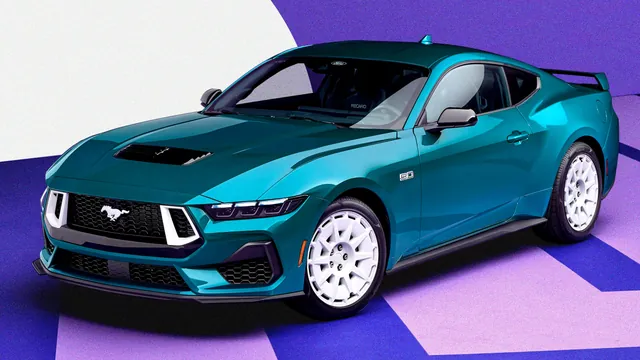
Ford's Electric Fumble
Ford's gas-powered Mustang sales have seen a remarkable surge of 40% this year, marking a notable departure from the trend of declining gasoline-powered car sales. This increase can be attributed to the growing demand for muscle cars and the iconic status of the Mustang brand. As a result, Ford has been able to capitalize on this demand and boost its sales figures. However, not all of Ford's electric vehicles are performing as well as expected. The Mach-E, which was launched in 2020, has seen a significant decline in sales of 50% this year. This decline can be attributed to various factors, including increased competition from other electric vehicle manufacturers and the high price point of the Mach-E. The decline of the Mach-E is a concern for Ford, as it highlights the challenges faced by the company in the electric vehicle market. The increasing competition and high price point are making it difficult for Ford to compete with other manufacturers. As a result, the company needs to reassess its strategy and make necessary adjustments to stay competitive. The industry shift towards eco-friendly vehicles is a significant trend that is expected to continue in the coming years. With more countries implementing stricter emissions regulations and consumers becoming increasingly environmentally conscious, the demand for electric vehicles is likely to increase. As a result, manufacturers like Ford need to adapt their strategies to meet this growing demand. However, the competition in the electric vehicle market is heating up, with various manufacturers launching new models and increasing their production capacity. This increased competition is making it challenging for Ford to stand out and gain market share. The company needs to innovate and differentiate its products to remain competitive. Ford faces significant challenges in the electric vehicle market, including high production costs and limited battery range. To overcome these challenges, the company needs to invest in research and development and explore new technologies to improve the efficiency and range of its electric vehicles. The decline of the Mach-E is also a concern for Ford's reputation in the industry. The company's ability to deliver on its promises and meet customer expectations is crucial in maintaining its market share. As a result, Ford needs to take immediate action to address the issues affecting the Mach-E and restore customer confidence. In conclusion, Ford's performance in the electric vehicle segment is a concern due to the decline of the Mach-E and the surge in gas-powered Mustang sales. The company needs to reassess its strategy and make necessary adjustments to stay competitive in the market. With the increasing demand for eco-friendly vehicles, Ford must innovate and differentiate its products to remain relevant. Ultimately, the success of Ford's electric vehicle strategy depends on its ability to adapt to changing market trends and customer preferences. By investing in research and development and exploring new technologies, Ford can improve the efficiency and range of its electric vehicles and regain market share.
Loading more news