Daily news
News
Daily updates from transport, logistics, equipment, and mobility.

Electrek·EV·Feb 3, 2026
Boston Public Schools is Installing 105 DC Fast Chargers
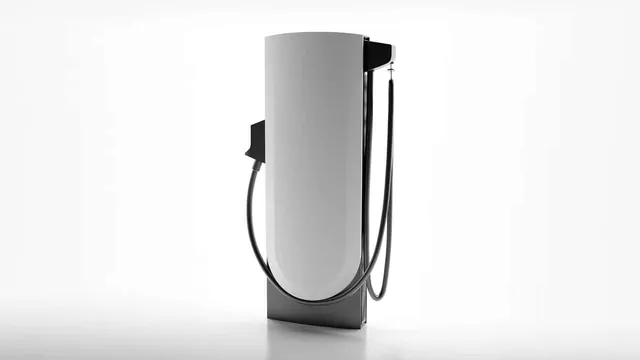
Boston Public Schools is adding another major block of depot-scale DC fast chargers as it pushes toward a fully electric bus fleet, highlighting the growing importance of charging infrastructure for large fleets in the Northeast region. The project, valued at $4 million, will see 105 DC fast chargers installed at the district's Freeport Bus Yard, marking one of the largest single-site school bus charging installations in the region. This initiative is part of Boston's effort to electrify all 750 of its roughly 750 school buses, a program described as the largest school bus electrification initiative in the Northeast. The chargers will utilize an above-ground mounting approach that relies on Jersey barriers rather than traditional trenching, a setup increasingly common for large bus and fleet depots where speed, cost control, and service access often take precedence over aesthetics. This design choice is consistent with Orion Energy Systems' previous work on Boston school bus charging projects, which have utilized the same above-ground mounting approach to speed installation and minimize site disruption. The project is being handled by Orion's Voltrek division, one of the company's largest customers. Boston Public Schools has partnered with Orion and Voltrek on multiple projects tied to its transition to electric buses, solidifying the district as a key player in the company's fleet electrification efforts. This initiative is not an isolated event, but rather part of a broader trend of charging infrastructure development for large fleets in the Northeast region. The company is involved in several other fleet electrification projects across the Northeast, including municipal deployments and electric van charging for school districts. As the charging market continues to mature, depot charging for buses, delivery vans, and municipal fleets is emerging as a critical segment that requires significant investment. With public DC fast charging still receiving most of the attention, depot charging is quietly becoming one of the most capital-intensive segments of the market. The growth of this segment is expected to be significant, with predictions suggesting an 8% growth in the US EV charging market by 2026. This growth will likely be driven by increasing demand for electric vehicles and alternative fuel options among fleets, as well as government incentives and regulations aimed at reducing greenhouse gas emissions. As such, it is essential for fleet operators to plan ahead and invest in the necessary charging infrastructure to meet these growing demands.

Electrek·EV·Feb 3, 2026
Kia's Electric Van Spotted in Michigan, Raises Hopes for US Launch
A white Kia PV5 Passenger electric van was recently spotted driving around Ann Arbor, Michigan, sparking hopes that the vehicle might finally be coming to the US market. The PV5 has been testing in the US since February and has been seen on American roads a few times before, but Kia has yet to confirm or deny its launch plans for the country. The latest sighting is notable because it features manufacturer's plates and side marker lights, which are required in the US but not found on other PV5 models sold globally. While some speculate that the PV5 might be coming to the US, others believe it could be testing for the Canadian market instead. Kia has already indefinitely delayed several US-bound EVs in the past, so it's hard to say what will happen next. The PV5 has earned global praise since its debut in early 2025 and is available in various configurations, including a Cargo model that is set to launch in Canada soon. The vehicle's modular E-GMP platform enables nearly any configuration, and Kia plans to introduce seven body types for the PV5 in total. As the US waits with bated breath for an official announcement, it remains to be seen whether the PV5 will finally make its way to American roads.

Electrek·EV·Feb 3, 2026
2026 Chevy Equinox EV with $10,000 Discount Makes Electric Cars More Accessible
The 2026 Chevy Equinox EV is already one of the most affordable electric cars on the market, but a new discount has made it even more tempting. With up to $10,000 in total cash allowance, including customer cash and conquest cash, the Equinox EV RS can be had for 20% below its MSRP. This deal includes $8,750 in customer cash and an additional $1,250 in conquest cash for eligible buyers. The discount applies to the RS trim, but other trims like the LT 1 and LT 2 also see increased savings. With the new discount, the lowest-priced Equinox EV trim starts at just $30,295, making it only slightly more expensive than the new 2027 Bolt EV. The Equinox EV offers a range of up to 319 miles on its cheapest model, while the Bolt and Nissan LEAF offer around 262 and 303 miles respectively. In terms of interior space, the Equinox EV has an advantage, with up to 102 cubic feet of total passenger volume compared to the Bolt's 96.6 cubic feet and the LEAF's 92 cubic feet. The Equinox also features a large 17.7-inch touchscreen infotainment system, making it a compelling choice for those looking for an affordable electric vehicle. With this new discount, the Chevy Equinox EV seems to be holding its title as America's most affordable 315+ mile range EV.

InsideEVs (News)·EV·Feb 3, 2026
Kia EV Sales Plummet Amid Market Shifts
The latest sales data reveals a sharp decline in Kia's electric vehicle (EV) sales, with many experts attributing the trend to shifting consumer preferences and increased competition from rival brands. In contrast, Hyundai continues to see growth in its EV segment, highlighting the need for manufacturers to adapt their strategies to meet changing market demands. As the automotive landscape evolves, it is essential for companies like Kia to reassess their approach to electric mobility. This decline in sales may be more than just a temporary blip on the radar, as consumers increasingly prioritize sustainability and eco-friendliness when making purchasing decisions. The data suggests that Kia's EV offerings are struggling to keep pace with consumer demand, which is being driven by factors such as government regulations and growing public awareness of climate change. With Hyundai bucking this trend, it is clear that the market is evolving rapidly, and companies must be prepared to adapt quickly to remain competitive. As consumers become more environmentally conscious, manufacturers must prioritize sustainability and innovation in their product offerings. The decline in Kia's EV sales serves as a wake-up call for the industry, highlighting the need for manufacturers to rethink their strategies and invest in sustainable technologies. Meanwhile, Hyundai's continued growth in the EV segment provides a model for companies looking to stay ahead of the curve. By understanding the underlying factors driving this trend, manufacturers can develop more effective marketing strategies and improve the overall customer experience. As Kia looks to revamp its approach to electric mobility, it is crucial that the company prioritizes innovation and sustainability in its product offerings. The future of the automotive industry will be shaped by companies like Kia that are willing to adapt and innovate in response to changing market demands.

Electrek·EV·Feb 3, 2026
Even after cutting EV incentives, Norway only sold 98 diesel cars in January
Norway, the world’s leading country in EV market share, still managed to maintain high EV market share right after retiring EV incentives, showing the world a path to resilient electrification of the auto industry. more…

Electrek·EV·Feb 3, 2026
Jackery Super Bowl sale drops Explorer 5000 Plus power station to $2,849, Lectric XPress e-bikes, EcoFlow RIVER 2 Pro bundle, more
We’re one day closer to the Super Bowl, and as such today’s Green Deals is headlined by Jackery’s Power Your Game Sale with up to 54% power station discounts. There are even some bonus savings to score, like we’re seeing on Jackery’s Explorer 5000 Plus Portable Power Station (and bundles) starting from $2,849 . We’re also shining a spotlight on Lectric’s XPress Commuter e-bikes that are getting up to $336 bundles starting from $999 , as well as EcoFlow’s latest flash sale changeup that added a RIVER 2 Pro bundle at its best price, Segway’s ZT3 Pro e-scooter getting more savings than usual, two EGO Power+ string trimmer options at their best rates since October, and more waiting for you below. And don’t forget the hangover deals at the bottom of the page, like yesterday’s EcoFlow Super Bowl sale , the new low price on Velotric’s Breeze 1 cruiser e-bike bundle , and more. Head below for other New Green Deals we’ve found today and, of course, Electrek ’s best EV buying and leasing deals . Also, check out the new Electrek Tesla Shop for the best deals on Tesla accessories . more…

Electrek·EV·Feb 3, 2026
Ford drivers who go electric don’t miss gas cars ‘in the least bit,’ so where’s the EVs?
Ford says some drivers are “embracing an electric future,” with no plans to buy another ordinary gas car after experiencing the difference firsthand. more…

Electrek·EV·Feb 3, 2026
Free V2X chargers will let Massachusetts EVs power the grid
Massachusetts is turning EVs into grid assets, starting with free, bi-directional (V2X) chargers for schools, towns, and residents. more…

InsideEVs (News)·EV·Feb 3, 2026
General Motors' Strategy For Building Cheaper EV Batteries: Go Hyper Local
General Motors is taking steps to reduce the cost of its electric vehicle (EV) batteries by leveraging local resources in the United States. The company has already made significant strides in this area, with a substantial portion of its battery production coming from U.S.-based facilities. Now, GM is expanding its efforts to source American lithium and cathode active materials, two crucial components necessary for EV battery production. This strategic move aims to decrease reliance on foreign suppliers and lower the overall cost of battery production. By tapping into local resources, GM hopes to make its EV batteries more competitive in the market. The company's goal is to create a more sustainable and affordable EV ecosystem. As the demand for electric vehicles continues to grow, companies like General Motors are under pressure to reduce costs without compromising on performance. GM's efforts to build cheaper EV batteries will likely have a positive impact on the industry as a whole. By going hyper local, GM is demonstrating its commitment to supporting American manufacturing and reducing its environmental footprint. The company's strategy is also expected to create new opportunities for domestic suppliers and manufacturers. With this move, GM is positioning itself for long-term success in the rapidly evolving EV market. The expansion of local battery production will enable GM to respond more quickly to changing market conditions and customer needs. As the automotive industry continues to shift towards electric vehicles, companies like General Motors are well-positioned to capitalize on the growing demand for sustainable transportation solutions.

Electrek·EV·Feb 3, 2026
Hyundai and Kia Kick Off 2026 with a Bang
Hyundai and Kia are starting the new year on a strong note, posting record-breaking January sales in the US. The Korean automakers have built upon their success from last year, with Hyundai selling over 55,600 vehicles in the first month of 2026, up 2% from the previous year. Kia America followed suit, selling an impressive 64,502 vehicles, a 13% increase from January 2025. The growth in sales can be attributed to growing demand for electrified vehicles, including new hybrid SUVs. Hyundai's all-electric vehicles, however, have seen a different trend, with the IONIQ 5 seeing a decline in sales due to the expiration of the $7,500 federal tax credit at the end of September. Despite this, Kia's EV6 and EV9 models have also been affected by the same factor. The market for electric vehicles is expected to reset as buyers wait for new incentives and discounts. In response, Hyundai has cut prices on its 2026 IONIQ 5, making it one of the few EVs available starting under $35,000. Kia, on the other hand, has been offering over $10,000 in customer cash discounts across its full lineup of electric vehicles. With new hybrid models like the Palisade and Santa Fe now available, Hyundai and Kia are confident that their sales will continue to grow. As the market evolves, it's clear that these Korean automakers are committed to providing consumers with affordable and innovative electric vehicle options.

Electrek·EV·Feb 3, 2026
Audi Prepares for Entry-Level Electric Vehicle Launch
Audi is set to unveil its new entry-level luxury electric vehicle by the end of 2026, with a unique design and more. The new model will likely carry on the A2 name, but the electric version will bring a distinct look. With luxury rivals Mercedes-Benz and BMW expanding into the entry-level EV market, Audi wants a piece of the growing segment. The company is finalizing development and is expected to reveal more information closer to launch, including battery pack options and prices. The new A2 E-tron will go on sale next year as Audi's most affordable electric vehicle, starting at around £30,000 ($41,000). With its 400V electrical architecture and rear-wheel-drive powertrain, the new EV is designed to fill the gap left by the i3, which BMW discontinued in 2022. The company's engineers say the new EV will offer a unique blend of luxury and practicality, making it an attractive option for those looking to switch to electric vehicles. Audi's entry-level EV is expected to be available with 58 kWh or 79 kWh battery packs, which provide a WLTP range of up to 369 miles. With its sleek design and impressive range, the new A2 E-tron is sure to generate excitement among luxury car enthusiasts.

Electrek·EV·Feb 3, 2026
Maserati Offers Massive Discounts on Electric Vehicles
Maserati is taking a bold move in the electric vehicle market with massive discounts on its remaining 2025 model year Maserati GranTurismo and GranCabrio Folgore models. The discounts range from $85,000 off the original asking price of these vehicles, making them nearly 40% cheaper than before. This significant reduction in price is a game-changer for buyers considering an electric vehicle, as it effectively eliminates the price premium between gas and electric options. With prices now comparable to their gasoline-powered counterparts, Maserati's electric offerings are becoming increasingly attractive to potential buyers. The discounts also apply to the electric versions of the excellent Grecale Folgore SUV, with a still impressive $40,000 off its original asking price. This makes the choice between gas and electric one of preference, not necessarily price. For those looking for an affordable Maserati model, the electric Grecale is now barely $1,400 more expensive than its gasoline-powered counterpart, making it a compelling option. With these discounts, Maserati buyers can enjoy the full Palm Royale cruising experience with luxurious material appointments and infotainment features that rival those found in high-end luxury cars like Ferrari. The new prices also make Maserati's electric vehicles an attractive option for those looking to score a deal on a high-performance vehicle. With over 800 all-electric horsepower available in MaxBoost mode, the GranCabrio offers stunning performance and a range of up to 230 miles from its 92.5 kWh li-ion battery pack. Whether you're cruising along the beach or enjoying a leisurely drive, Maserati's electric vehicles are sure to provide an unforgettable experience. With these massive discounts, Maserati is making a strong statement in the electric vehicle market and offering buyers a chance to own a luxurious and high-performance vehicle at an unbeatable price.

Electrek·EV·Feb 3, 2026
Tesla Launches New Model Y AWD at $41,990
Tesla has added a fifth Model Y variant to its US lineup: a new Standard All-Wheel Drive model priced at $41,990. This new variant slots in between the Standard RWD ($39,990) and Premium RWD ($44,990), offering AWD capability at an accessible price point. The base Model Y RWD takes 6.8 seconds to hit 60 mph, while the new AWD version cuts that nearly in half, adding the traction benefits of all-wheel drive for a $2,000 premium. However, the trade-off is range: the RWD version offers 321 miles, while the AWD drops to 294 miles. For most buyers, 294 miles is more than sufficient for daily driving, and the improved performance and handling may be worth the 27-mile reduction. The new variant is part of Tesla's efforts to make its electric SUV more appealing to a wider range of customers. With this addition, Tesla now offers five Model Y configurations in the United States: Standard RWD, Premium RWD, Premium AWD, Long Range RWD, and Long Range AWD. The $2,000 premium for AWD is genuinely reasonable, and more in line with what other automakers in that price range charge for an all-wheel drive dual motor upgrade. For buyers in regions with winter weather, or anyone who simply wants the improved traction and acceleration, the new Standard AWD offers compelling value. At $41,990 before any local incentives, if they apply, it makes it one of the more affordable ways to get into an AWD electric SUV from any manufacturer. The timing also makes sense, as Tesla is facing increased competition in the top-end of its best-selling Model Y lineup with the launches of other electric SUVs. However, by going down-market with the Model Y, Tesla may be better off competing with these models rather than trying to maintain a premium image at the top end of the spectrum.

InsideEVs (News)·EV·Feb 3, 2026
Waymo's Self-Driving Ambitions Take a Giant Leap Forward
In a significant development that has sent shockwaves through the tech world, Waymo, a leading player in autonomous driving technology, has secured a whopping $16 billion investment. This substantial boost is expected to further accelerate the company's plans for widespread adoption of self-driving cars on public roads. The investment, which values Waymo at over $200 billion, is a testament to the growing recognition of the transformative potential of autonomous vehicles. By pooling this vast amount of capital, Waymo aims to expand its fleet, enhance its technology, and ultimately bring its cutting-edge self-driving capabilities to more markets around the world. The company's ambitious plans are already beginning to bear fruit, with several major automakers partnering with Waymo to integrate its tech into their vehicles. As the world continues to grapple with the challenges of urbanization and climate change, autonomous driving is emerging as a key solution. With this latest injection of capital, Waymo is well-positioned to play a leading role in shaping the future of transportation. The implications of this deal are far-reaching, and it will be interesting to see how it plays out in the months and years ahead. For now, one thing is clear: Waymo's self-driving ambitions just got a major boost, and the world is about to get a lot more interesting. As autonomous vehicles become increasingly prevalent on our roads, we can expect to see significant changes in the way we live, work, and travel. The potential benefits are substantial, from reduced traffic congestion to improved road safety. However, there are also challenges to be addressed, including regulatory frameworks and public acceptance. Waymo's success will depend on its ability to navigate these complexities and deliver a seamless user experience. With $16 billion at its disposal, the company is well-equipped to tackle these challenges head-on. The future of transportation has never looked brighter, and it all starts with Waymo's self-driving revolution. By 2025, Waymo plans to have deployed hundreds of thousands of vehicles on public roads, with a focus on urban areas. This ambitious target is a testament to the company's commitment to making autonomous driving a mainstream reality. As we look to the future, one thing is clear: the world of transportation will never be the same again. With Waymo at the helm, the possibilities are endless, and the potential for innovation is vast. The impact of this investment will be felt across multiple industries, from automotive manufacturing to logistics and beyond. As the dust settles on this major deal, one thing is certain: the future of transportation has arrived, and it's here to stay.

Electrek·EV·Feb 3, 2026
Honda Patent Reveals Ultra-Simple, Low-Cost Electric Motorcycle Design
A growing consensus in the electric motorcycle world is that targeting smaller, simpler machines designed for urban areas could be the key to success. A newly filed patent from Honda offers a glimpse into this philosophy, outlining an ultra-simple and affordable electric motorcycle aimed at cost-sensitive markets such as India and parts of Africa. The bike features a conventional steel frame paired with the cheapest and most proven parts available, including classic dual rear shocks and a front cable-operated drum brake. Instead of high-performance components, the design uses a compact electric motor and removable batteries. The battery cages are mounted on either side of the bike and can be easily removed and replaced. This design approach is similar to a previous patent for a Honda electric motorcycle based on the same frame as the lightweight Honda Shine 100. The key difference lies in the battery design, which allows for easy installation and removal. This could make the bike more accessible to customers in developing markets where maintenance and repair are often limited by lack of resources. By targeting this segment, Honda may be able to bring electric motorcycles to a wider audience and increase adoption rates. With its focus on simplicity and affordability, this design has the potential to disrupt the traditional motorcycle industry and pave the way for a more sustainable future. The bike's minimalist approach also raises questions about the role of technology in transportation and whether it's possible to create efficient and effective vehicles without relying on advanced electronics and materials. As the electric motorcycle market continues to evolve, it will be interesting to see how Honda's design is received by customers and competitors alike.

InsideEVs (News)·EV·Feb 3, 2026
Tesla Introduces More Affordable Model Y AWD in the US
Tesla has added a new, more affordable all-wheel-drive (AWD) version of its popular Model Y SUV to its lineup in the United States. The new model replaces the previous 'Standard' badge, which was previously used for the base Model 3 and Model Y models. This change is part of Tesla's ongoing efforts to simplify its pricing structure and make its vehicles more accessible to a wider range of customers. The new AWD Model Y is available in both rear-wheel-drive (RWD) and four-wheel-drive (4WD) variants, offering improved traction and stability on various road conditions. With the introduction of this new model, Tesla aims to provide its customers with more options for their vehicles while maintaining a streamlined pricing strategy. The company's focus on innovation and customer satisfaction continues to drive its product development process. By expanding its lineup with the AWD Model Y, Tesla is catering to the growing demand for capable and versatile electric vehicles. The new model is expected to appeal to both existing and potential customers who value improved performance and safety features without compromising on affordability. As a result, this move is likely to further solidify Tesla's position in the competitive US market. With its commitment to sustainability and innovative technology, Tesla remains at the forefront of the electric vehicle revolution.

InsideEVs (News)·EV·Feb 3, 2026
California's New EV Rebate Program for First-Time Buyers
California has launched a new electric vehicle (EV) rebate program, offering up to $5,000 in incentives to first-time buyers of electric cars. The state aims to encourage the adoption of eco-friendly vehicles and reduce greenhouse gas emissions. The program is part of California's broader efforts to promote sustainable transportation options. By providing financial assistance to eligible buyers, the state hopes to increase demand for EVs and create a more environmentally friendly transportation system. The rebate program is open to residents who purchase a qualifying electric vehicle from an authorized dealer. To be eligible, buyers must not have previously owned an electric or hybrid vehicle in California. The program's goal is to support the growth of the EV market in the state and promote sustainable transportation choices. California has set ambitious targets for reducing greenhouse gas emissions, and this rebate program is seen as a key strategy in achieving those goals. By making EVs more affordable, the state aims to increase their adoption rate and create a cleaner transportation system. The rebate amount will vary depending on the vehicle's price, with higher amounts available for lower-priced models. The program is expected to benefit thousands of California residents who are looking to switch to an electric vehicle. With its generous incentives, the program is likely to attract many first-time buyers who are interested in making a more sustainable transportation choice.

Electrek·EV·Feb 3, 2026
Smart Meters Could Catch Power Outages First
More than 90% of US power outages start on the distribution grid, which is closest to homes that utilities can't always see in real time. However, a company called Sense is trying to change this by pushing fault detection directly into smart meters. Sense has rolled out a new software-based Fault Detection Solution that runs on next-generation meters, giving utilities real-time visibility into problems on distribution, service, and secondary lines feeding individual homes. This technology uses Waveform AI to analyze electrical signals at the meter in real time, allowing utilities to detect arcing, downed lines, and early signs of equipment failure as they occur. The idea is to get faster fault detection without the cost and complexity of pole-mounted sensors or radio-based localization systems. For utilities, this could mean quicker fault localization, fewer truck rolls, shorter outages, and better data on which assets actually need replacement. Early detection of arcing events could also improve safety for lineworkers, since those faults can be deadly when encountered in the field. Sense says the technology has already shown results in utility pilot projects, where it identified early-stage faults tied to vegetation growth and revealed infrastructure issues that had previously gone unnoticed. The company's solution is designed for AMI 2.0 smart meters and runs directly on devices that utilities are already deploying. This approach could help utilities improve their grid resilience and reduce the impact of power outages on customers.

Electrek·EV·Feb 2, 2026
Tesla Sales Decline Amid Elon Musk's Appearance in Epstein Files
On today’s episode of Quick Charge, we have to talk about Elon Musk’s cringey appearance in the Epstein files amid Tesla’s rapid sales decline in Europe, as well as the ultra-fast Xiaomi SU7 Ultra and its own rapid sales decline. We’ve also got a look at the Tesla Robotaxi service and ask why its vehicles are crashing so much more often than human drivers, even with safety monitors in the car. All this and more – let us know what you think of today’s episode in the comments! Audio-only versions of Quick Charge are now available on Apple Podcasts, Spotify, TuneIn, and our RSS feed for Overcast and other podcast players. New episodes of Quick Charge are recorded several times per week, most weeks. We’ll be posting bonus audio content from time to time as well, so be sure to follow and subscribe so you don’t miss a minute of Electrek’s high-voltage podcast series. Got news? Let us know! Drop us a line at tips@electrek.co. You can also rate us on Apple Podcasts and Spotify, or recommend us in Overcast to help more people discover the show. If you’re considering going solar, it’s always a good idea to get quotes from a few installers. To make sure you find a trusted, reliable solar installer near you that offers competitive pricing, check out EnergySage, a free service that makes it easy for you to go solar. It has hundreds of pre-vetted solar installers competing for your business, ensuring you get high-quality solutions and save 20-30% compared to going it alone. Plus, it’s free to use, and you won’t get sales calls until you select an installer and share your phone number with them. Your personalized solar quotes are easy to compare online and you’ll get access to unbiased Energy Advisors to help you every step of the way. Get started here.

Electrek·EV·Feb 2, 2026
Waymo Raises $16 Billion at $126 Billion Valuation to Expand Autonomous Ride-Hailing Services
Waymo, a leading autonomous vehicle company backed by Alphabet, has closed a massive $16 billion funding round at a valuation of $126 billion, making it the largest investment ever in an autonomous vehicle company. The funding will be used to expand Waymo's services to over 20 new cities this year, including its first international markets in Tokyo and London. With this significant investment, Waymo aims to further establish itself as a leader in the autonomous mobility market. The funding round was led by Dragoneer Investment Group, DST Global, and Sequoia Capital, with participation from several prominent tech investors such as Andreessen Horowitz, Mubadala Capital, Bessemer Venture Partners, Silver Lake, Tiger Global, T. Rowe Price, Fidelity, and others. Alphabet remains the majority investor. Waymo's impressive operational metrics have contributed to its $126 billion valuation. The company has achieved significant milestones such as tripling its weekly paid rides in just one year while maintaining customer delight. This growth is backed by substantial data, including 127 million miles driven and 15 million rides in a single year, with a notable reduction in serious crashes. The $16 billion funding will be used to drive aggressive expansion plans for Waymo. The company aims to enter additional US cities throughout 2026 and expand into international markets such as Tokyo and London. This move marks a significant milestone for autonomous vehicle deployment outside the US. Fleet growth is also on the agenda, with Waymo planning to increase its vehicles across existing and new markets to meet what it calls 'exploding global demand.' Waymo's leadership believes that its technology has brought autonomous driving from science fiction to reality. As it scales in 2026 and beyond, Waymo expects to boost productivity and accessibility for millions while improving road safety worldwide. The expansion to Tokyo and London is particularly significant as regulatory approval for autonomous vehicles in these countries would demonstrate that Waymo's technology can meet different safety standards and operate in different driving environments. This achievement could pave the way for global deployment of autonomous ride-hailing services. Furthermore, the planned entry into additional US cities in 2026 is expected to significantly boost the credibility of autonomous ride-hailing services within the general population. Overall, Waymo's $16 billion funding round at a valuation of $126 billion marks an important milestone for the company and the autonomous mobility market as a whole. With this significant investment, Waymo is poised to drive further growth and expansion in the coming years.

Electrek·EV·Feb 2, 2026
Solar Power Leads the Way in US Renewable Energy
According to data released by the Federal Energy Regulatory Commission (FERC), solar power accounted for 88% of new US power generating capacity additions through November 2025. The latest monthly "Energy Infrastructure Update" report reveals that 38 units of solar totaling 2,879 megawatts were placed into service in November, accounting for 72.3% of all new generating capacity added during the month. This trend is a continuation of solar's dominance in the renewable energy sector, with the technology now holding the lead among all energy sources for 27 consecutive months. The growth of solar power can be attributed to its increasing efficiency and decreasing costs, making it an attractive option for utilities and consumers alike. In contrast, wind power added 20.6% of new capacity in November, while natural gas added a relatively small 283 MW. As the US continues to transition towards cleaner energy sources, solar power is poised to play a significant role in meeting the country's energy needs. The data also shows that utility-scale solar has now been the largest source of new generating capacity added each month for 27 months straight, with total installed capacity growing from 91.82 GW to 163.44 GW over this period. This growth is expected to continue as more countries adopt renewable energy sources and improve their grid infrastructure. The impact of solar power on the US energy landscape cannot be overstated, and its continued growth is a testament to the technology's potential to drive change and reduce carbon emissions. With the US government setting ambitious targets for reducing greenhouse gas emissions, the role of solar power in meeting these goals will only continue to grow. As the world becomes increasingly dependent on renewable energy sources, it is essential that we prioritize investments in this sector to ensure a sustainable future for generations to come. The growth of solar power has far-reaching implications for the environment, the economy, and public health, making it an issue worthy of continued attention and investment. By supporting the development of solar power, we can create a cleaner, healthier, and more prosperous world for all. As the US continues to lead the way in renewable energy adoption, it is essential that we learn from its successes and challenges to inform our own policies and strategies. With the help of technologies like solar power, we can reduce our reliance on fossil fuels and mitigate the impacts of climate change. The future of energy looks bright, and it is up to us to ensure that it remains sustainable and equitable for all. As we look to the future, one thing is clear: the role of solar power in shaping the US energy landscape will only continue to grow.

Electrek·EV·Feb 2, 2026
SpaceX Acquires xAI in $1.25 Trillion Mega-Deal, Leaving Tesla Investors Wondering
In a move that has sent shockwaves through the tech industry, SpaceX has announced its acquisition of xAI, Elon Musk's AI company, in a deal reportedly valued at $1.25 trillion. The combined entity is expected to pursue an IPO later this year, which could raise as much as $50 billion. This mega-deal does not include Tesla, which invested $2 billion in xAI last month. As a result, Tesla shareholders now indirectly own a small stake in SpaceX through their investment in xAI. The acquisition has raised significant questions about Musk's priorities and the future of his companies. With this deal, Musk is effectively consolidating his empire into two main entities: SpaceX-xAI and Tesla. But will his attention and resources be focused on the more ambitious entity, or will he continue to prioritize the smaller but still profitable company? The acquisition also raises concerns about conflict of interest and the potential for Musk to use Tesla's funds to prop up his private companies. As one expert noted, 'This is basically the SolarCity bailout of 2016 all over again.' With Tesla struggling with declining vehicle sales, this move may not be the vote of confidence investors were hoping for. The deal also creates a clearer picture of Musk's empire and raises questions about the future of his AI ambitions. Will space-based AI become a reality, or is it just another example of Musk's futurism? Only time will tell.

Electrek·EV·Feb 2, 2026
Toyota C-HR Electric SUV Priced Higher Than Expected
The 2026 Toyota C-HR electric SUV is expected to be a more affordable option for those looking for an eco-friendly vehicle, but its price has been revealed to be higher than initially anticipated. With a starting price of $37,000, it's positioned below the bZ (formerly bZ4X) but comes with standard all-wheel drive, which contributes to its increased cost compared to the base model of the bZ. Despite this, Toyota offers an electric SUV option around that price point, and the C-HR is based on the same platform as the bZ. The main difference between the two models lies in their size and wheelbase, with the C-HR being 6.7 inches shorter than the bZ. In terms of range, the C-HR offers up to 290 miles, while the bZ XLE FWD Plus model can travel up to 314 miles. The bZ also features a modern interior and exterior design, as well as a built-in NACS port for charging at Tesla Superchargers. Toyota is now offering clearance deals on the bZ, which may make it more attractive to some buyers. With its updated interior and latest Multimedia infotainment system, the C-HR is sure to be a popular choice among those looking for an eco-friendly vehicle. However, with a higher price point than initially expected, it's essential to weigh the pros and cons before making a decision.

Electrek·EV·Feb 2, 2026
US Department of Transportation Proposes Plan to Hike Fuel Costs by $23 Billion
The US Department of Transportation has proposed a plan to increase fuel costs for Americans, aiming to save the government $23 billion in fuel costs by requiring higher fuel economy from auto manufacturers. The rule change would lower the required fuel economy for 2022-2031 model year vehicles, cutting vehicle efficiency by nearly a third. This move is part of the administration's efforts to roll back regulations and increase fuel demand, despite public opposition. The proposed regulation has sparked controversy, with many experts arguing that it would lead to increased fuel costs and reduced fuel efficiency. The public comment period for this rulemaking procedure ends on February 4, 2026, allowing citizens to voice their concerns and submit comments. The Department of Transportation is required to accept public comments and respond to substantive comments posted to the docket related to the rulemaking procedure. If it does not follow the process, a rule can be thrown out in court. With the vast majority of comments opposing the plan, it remains to be seen whether the proposed regulation will be implemented. The EPA's recent plan to increase gas prices by $0.76/gallon has also received significant public opposition, with many experts arguing that it is based on flawed science and ignores the concerns of American citizens. As the administration continues to push for these regulations, it is essential to engage in open dialogue and provide feedback to ensure that the government's decisions are informed by the needs and concerns of its citizens. In addition to commenting on this proposal, Americans can also explore alternative energy options, such as solar power, which can help reduce reliance on fossil fuels and mitigate the impact of rising fuel costs. With the deadline for public comment looming, it is crucial that citizens take action and make their voices heard.

InsideEVs (News)·EV·Feb 2, 2026
Exploring Affordable Chinese Electric Vehicles for the Canadian Market
As Canada continues to invest in electric vehicle (EV) infrastructure and incentives, consumers are looking for affordable options. Chinese manufacturers have stepped up to meet this demand, offering a range of EV models that could thrive in the country's climate. From crossovers to hatchbacks to sedans, there are several Chinese EVs that would work well in Canada. These vehicles boast impressive ranges, advanced safety features, and sleek designs, making them attractive alternatives to more expensive foreign-made options. One of the primary advantages of Chinese EVs is their lower purchase price compared to their international counterparts. This makes them an excellent choice for Canadian consumers who want to own a reliable electric vehicle without breaking the bank. Additionally, many Chinese EV manufacturers are now focusing on producing vehicles with advanced safety features and improved range capabilities, which will further enhance their appeal in the Canadian market. Furthermore, some Chinese EV models have already gained popularity in other countries, such as Norway and Sweden, where they perform well due to their excellent range and affordability. As a result, it is likely that these vehicles will also find success in Canada. With the growing demand for electric vehicles and the increasing availability of charging infrastructure, Canadian consumers are well-positioned to take advantage of the many affordable Chinese EV options available. By exploring these vehicles, Canadians can discover new alternatives that offer great value for their money. The benefits of owning a Chinese EV include lower operating costs, reduced environmental impact, and access to cutting-edge technology. With the right model, any Canadian consumer can enjoy the convenience and efficiency of electric vehicle ownership without sacrificing performance or style.

Electrek·EV·Feb 2, 2026
Colorado Coal Plant Owners Push Back Against Reopening Order
The owners of the Craig Power Plant in Colorado have pushed back against an order from the Department of Energy to reopen the plant, citing concerns over costs and reliability for Colorado electric ratepayers. The two main utilities that own the plant, Platte River Power Authority and Tri-State Generation and Transmission Association Inc, have stated that reopening the plant would raise costs and not benefit reliability for the state's electric ratepayers. The order was issued in December as part of an emergency effort to ensure reliability on the grid, but it has been met with resistance from the plant's owners, who argue that it would be uneconomic and disrupt their planned development of new generation resources. Despite the opposition, the Department of Energy remains committed to its order, citing concerns over reliability. However, experts say that coal is a dead energy source that should not be relied upon in the future. As the US continues to shift towards cleaner forms of energy, it's clear that coal has no place in the modern energy landscape. The owners' request for a rehearing raises questions about the role of government in regulating the energy industry and ensuring reliability on the grid. Will the Department of Energy reconsider its order, or will the plant remain closed? Only time will tell.

Electrek·EV·Feb 2, 2026
Sunrise Wind is back, collapsing Trump's offshore wind shutdown
A federal judge has cleared Sunrise Wind to resume construction, making it the fifth and final US offshore wind project to win court protection from a federal shutdown order. The ruling blocks enforcement of the Trump administration's suspension order, which developers argued was imposed without proper process and would cause immediate, irreparable harm. With Sunrise Wind now covered, all five projects targeted by the shutdown have secured injunctions. This marks a significant victory for the offshore wind industry, which has faced numerous challenges under the Trump administration. The project will deliver enough power for 600,000 homes and businesses in New York once it comes online. As Ted Kelly, director and lead counsel for US Clean Energy at Environmental Defense Fund, noted, 'The already-built portion of Vineyard Wind saved New Englanders $2 million per day in energy costs during a December cold snap. That's why it makes no sense for this administration to keep kneecapping America's largest source of renewable power.' The decision is a major win for the offshore wind industry, which has been fighting back against the Trump administration's efforts to halt construction on five US wind farms currently under construction.

Electrek·EV·Feb 2, 2026
MG and BYD Bring Price War Overseas with New Electric Vehicle Launches
Chinese electric vehicle (EV) leaders MG Motor and BYD have launched new, lower-priced EV models in the UK, sparking a price war that could erode market share for established brands. The new models are designed to make EV ownership more accessible and affordable for consumers. With up to 258 miles of range and fast charging capabilities, the latest additions from MG and BYD are poised to challenge traditional electric vehicle offerings in Europe and beyond. By undercutting competitors on price, these Chinese carmakers aim to capture a larger share of the growing global EV market. The new models also boast advanced features such as spacious interiors and efficient battery packs. With the UK already dominated by Chinese EV manufacturers, this latest development is likely to have significant implications for the country's automotive industry. As the demand for electric vehicles continues to rise, it will be interesting to see how these new models impact sales and market share in the coming months and years. The introduction of more affordable EV options could also accelerate the transition to sustainable transportation, making electric vehicles a more viable alternative for consumers. With the latest price reductions, MG and BYD are leading the charge in the global EV market, offering consumers a wider range of choices and driving growth in the industry.

InsideEVs (News)·EV·Feb 2, 2026
Porsche Wanted To Make An Electric Boxster. Now It May Just Kill It
The next-generation Porsche 718, a sports car with a rich history, was initially set to become an all-electric vehicle by 2025. However, recent developments suggest that the company's plans may be evolving. This shift could have significant implications for the automotive world and enthusiasts of the iconic Boxster model. The original plan was to make the 718 an electric-only car, but it seems that Porsche may be reconsidering its strategy. This change in direction raises questions about the future of the brand and its commitment to electrification. As the automotive landscape continues to evolve, one thing is clear: the next-generation Boxster will play a crucial role in shaping the company's identity. With its rich history and loyal fan base, any changes to the car could have far-reaching consequences. Porsche has been investing heavily in electric vehicle technology, but it seems that the company may be taking a more nuanced approach. The 718's transformation into an all-electric model was seen as a key part of this strategy, but now it appears that Porsche is re-evaluating its plans. This could be a significant blow to enthusiasts who were looking forward to seeing the Boxster in electric form. On the other hand, some might see this change as an opportunity for innovation and growth. With the automotive industry on the cusp of a major shift towards electrification, companies like Porsche must adapt quickly to remain competitive. The 718's transformation could be a key factor in determining the company's future success. As we wait to hear more about Porsche's plans, one thing is clear: the next-generation Boxster will be an important car for the brand. Its electric or non-electric form will have a significant impact on the automotive world and enthusiasts alike. The 718 has a loyal fan base, and any changes to the car could have far-reaching consequences. With Porsche's commitment to electrification already well-established, this shift in direction raises questions about the company's long-term strategy. As we move forward, it will be interesting to see how Porsche navigates this change and what it means for the future of the Boxster model.

InsideEVs (News)·EV·Feb 2, 2026
China's Ban on Automatic Headlights Sparks Global Interest
In a move that has sent shockwaves throughout the automotive world, China has banned the use of automatic headlights in new vehicles. This decision comes as a response to growing concerns over driver distraction and safety. The ban, which took effect immediately, applies to all new cars sold in the country, with some exceptions for certain vehicles already on the road. Automatic headlights have been a topic of debate among drivers and regulators alike, with some arguing that they can be distracting and others claiming that they improve visibility at night. However, China's decision marks a significant shift in the global conversation around this feature. With over 30 million cars on the road in China, the country's ban has the potential to have far-reaching implications for the automotive industry as a whole. The ban is also seen as a response to concerns over driver fatigue and the need for safer roads. As the world watches with interest, it remains to be seen how other countries will respond to this move. The impact of the ban on the global market is already being felt, with some manufacturers announcing plans to phase out automatic headlights in certain models. In the meantime, drivers in China are now faced with a choice: adapt to the new ban or opt for vehicles that still feature this controversial feature. The decision has sparked debate among driving enthusiasts and safety advocates alike, with some arguing that it is a necessary step towards improving road safety. Others have expressed concerns over the potential impact on driver convenience and visibility. As the world adjusts to this new reality, one thing is clear: the ban on automatic headlights in China is a significant development that will be closely watched by the automotive community. The country's move has also highlighted the need for greater regulation around driver distractions and safety features. With the global market already feeling the effects of the ban, it remains to be seen how other countries will respond to this move. For now, drivers in China are being forced to rethink their approach to nighttime driving. As the automotive industry continues to evolve, it is clear that safety will remain a top priority for manufacturers and regulators alike. The ban on automatic headlights marks an important step forward in this regard. With over 30 million cars on the road, China's decision has the potential to have far-reaching implications for the global market. The impact of the ban will be closely monitored by industry experts and driving enthusiasts alike.

Electrek·EV·Feb 2, 2026
EcoFlow Super Bowl sale drops DELTA 3 Max Plus + Trail station bundle to $1,033, Velotric Breeze 1 e-bike bundle at new $1,649 low, more
With there only being six days until Super Bowl LX, we’ve got EcoFlow kickstarting this week’s Green Deals with its Big Game Day Sale that is seeing up to 64% discounts on units + a bonus 6% savings code. A notable inclusion there is the EcoFlow DELTA 3 Max Plus Portable Power Station and a FREE Trail 200 DC 60,000mAh Power Station at its second-best $1,033 rate, with several others rounded up together. We also spotted Velotric’s Breeze 1 Cruiser e-bike in its Ocean Mist colorway getting $150 in FREE gear at a new $1,649 low , as well as some EcoFlow 24-hour flash sale offers, DEWALT’s 10-inch table saw at the best price since October, and more waiting for you below. And don’t forget the hangover deals from last week at the bottom of the page, rounded together within our latest Electrified Weekly edition . Head below for other New Green Deals we’ve found today and, of course, Electrek ’s best EV buying and leasing deals . Also, check out the new Electrek Tesla Shop for the best deals on Tesla accessories . more…

InsideEVs (News)·EV·Feb 2, 2026
Jaguar's Controversial New EV Has A Bizarre Battery Setup
Jaguar's latest electric vehicle (EV) has been making headlines for its unique battery setup, which the company claims will provide a significant boost in range without compromising passenger space. The new EV features a modular battery design that allows for greater flexibility and customization options. This innovative approach enables Jaguar to optimize the battery layout to suit different trim levels and body styles, resulting in improved overall efficiency and reduced environmental impact. By rethinking traditional battery configurations, Jaguar is able to achieve its goal of providing a longer range without sacrificing comfort or practicality. The company's focus on sustainability is evident in its commitment to reducing waste and minimizing the use of non-renewable materials in its production process. With this new EV, Jaguar is taking a significant step towards reducing its carbon footprint and appealing to environmentally conscious consumers. However, some critics have raised concerns about the potential impact of this design on the overall performance and handling of the vehicle. Despite these reservations, many experts believe that Jaguar's innovative approach will pay off in the long run, as it enables the company to stay ahead of the curve in the rapidly evolving EV market. The new EV is expected to hit the roads later this year, with pricing and specifications yet to be confirmed. As the automotive landscape continues to shift towards more sustainable options, companies like Jaguar are playing a crucial role in shaping the future of transportation. By pushing the boundaries of conventional design, they are inspiring innovation and driving progress in the pursuit of a cleaner, greener tomorrow.

Electrek·EV·Feb 2, 2026
Toyota Unveils Interior of New Three-Row Electric SUV Ahead of Debut
With its official debut just around the corner, Toyota has finally revealed the interior of its highly anticipated three-row electric SUV for the first time. The latest image shows a spacious cabin with three rows of seating, an updated infotainment system, and a design that closely resembles the current Grand Highlander. While powertrain details remain under wraps, Toyota confirmed plans to build this new model at its Georgetown, Kentucky plant in 2026. With room for growth between existing models like the bZ Woodland and Grand Highlander, Toyota is poised to fill a significant gap in its SUV lineup. The company's move towards a more comprehensive electric vehicle strategy is evident in its decision to produce two all-new three-row battery electric SUVs in the US, including one for Subaru. As the market continues to evolve, Toyota's new three-row electric SUV is set to make waves with its unique blend of size, style, and innovative technology. With just days to go before its full reveal on February 10, fans are eagerly awaiting more information about this exciting new model. The upcoming vehicle is expected to carry a name that builds upon Toyota's existing lineup, possibly the bZ Highlander. Whether it will be offered as a hybrid, plug-in hybrid, or both remains to be seen. With Toyota's commitment to expanding its electric vehicle offerings, the three-row SUV is poised to become a key player in the market. As we wait for more details, one thing is clear: this new model is set to shake up the SUV landscape with its cutting-edge design and advanced technology.

InsideEVs (News)·EV·Feb 2, 2026
Toyota Three-Row Electric SUV
The highly anticipated Toyota three-row electric SUV is set to make its public debut next week, with a sneak peek at its interior giving fans a glimpse into what to expect. The upcoming model is part of Toyota's expanding electric vehicle lineup, which aims to bring sustainable mobility solutions to a wider audience. With an emphasis on comfort and practicality, the three-row electric SUV is designed to cater to growing families and those seeking a more environmentally friendly option. The interior design appears to be a significant focus area for the model, with features such as ample storage compartments and innovative infotainment systems. Toyota's commitment to innovation and sustainability is evident in its approach to electric vehicle design, with a focus on creating vehicles that are not only eco-friendly but also comfortable and convenient. The three-row electric SUV will likely be powered by advanced electric motors, providing smooth and quiet ride. With the growing demand for electric vehicles, Toyota's entry into this market is expected to bring significant competition to established players. As the automotive landscape continues to evolve, it will be interesting to see how Toyota's three-row electric SUV stacks up against its competitors. The model's debut next week promises to be a highly anticipated event, with fans eagerly awaiting their first glimpse of the vehicle in action.

InsideEVs (News)·EV·Feb 2, 2026
Tesla's Latest Approach Isn't Working
Tesla's new affordable options have failed to boost sales and profits in the European market, where the company has been struggling to compete with established players. The move to introduce cheaper variants was seen as a way for Tesla to tap into the growing demand for electric vehicles in Europe, but so far it hasn't had the desired effect. Despite this, Tesla remains committed to its strategy of offering affordable options and continues to invest heavily in its European operations. However, the company's fortunes have been weighed down by various challenges, including high production costs and a shortage of skilled workers. In an effort to address these issues, Tesla has been working on improving its manufacturing efficiency and expanding its workforce. Meanwhile, Ford is reportedly exploring a partnership with Xiaomi, a Chinese technology giant, in a bid to expand its presence in the electric vehicle market. The move is seen as a strategic move by Ford to tap into Xiaomi's expertise in electric vehicles and gain access to new markets. However, details of the proposed partnership are still scarce, and it remains to be seen whether the deal will go ahead. As the automotive industry continues to evolve, companies like Tesla and Ford must adapt quickly to stay ahead of the competition. With the rise of electric vehicles, the stakes have never been higher for these companies to get it right. The future of the industry hangs in the balance, and only time will tell which companies will emerge victorious.

Electrek·EV·Feb 2, 2026
Ford Denies Report of US EV Manufacturing Partnership with Xiaomi
Despite a report claiming Ford is in talks with Chinese carmaker Xiaomi to build electric vehicles in the US, the company has denied the claims, stating that there is no truth to it. The Financial Times reported that Ford had held discussions with Xiaomi over a potential joint venture to manufacture EVs in the US, but Xiaomi has denied these claims, saying they are completely false. This comes as Chinese EV makers such as BYD and Xiaomi continue to gain market share in global markets by offering more efficient, advanced, and affordable electric vehicles. Ford is already on track to begin manufacturing lithium iron phosphate batteries at a new plant in Michigan this year, using licensed tech from China's CATL. The facility will supply batteries for vehicles based on Ford's low-cost Universal EV Platform, beginning with a midsize electric pickup priced around $30,000. Meanwhile, America's Big Three - Ford, GM, and Stellantis - are scaling back major EV initiatives, putting them behind Chinese EV makers. The Trump Administration's killing off the $7,500 federal EV tax credit has given China an advantage in global markets, and it's showing. As the US dials back on EV policies, BYD, Xiaomi, CATL, and other Chinese leaders are pushing ahead with new battery types, powertrain tech, ultra-fast chargers, smart in-vehicle tech, and more. Ford's CEO Jim Farley has warned that Chinese EV makers pose an existential threat to Western brands, including himself. The rumors come after a Wall Street Journal report last month claimed that Ford was in talks with BYD to import batteries for its hybrid vehicles for sale outside the US.

Electrek·EV·Feb 2, 2026
Candela's Hydrofoil Ferry Redefines Electric Boats
Electric boats and ferries have long been confined to short, fixed routes with expensive charging infrastructure. However, Swedish electric boat maker Candela has set out to prove that these limits are no longer necessary. The company's P-12, the world's first serial-production electric hydrofoiling passenger ferry, has completed a record-setting 160-nautical-mile voyage from Gothenburg to Oslo, Norway, in just three days. This journey showcases the efficiency of Candela's unique use of hydrofoil technology, which reduces drag and cuts energy consumption by around 80% compared to conventional displacement boats. By cruising at 25 knots, the P-12 can travel faster and farther using far less energy, cutting costs and reducing charge times. The ferry is already operating in Stockholm's public transit system and holds the title of the fastest electric passenger vessel currently in service. In contrast to traditional electric ferries that rely on megawatt-scale chargers, the Candela P-12 charges using standard DC fast chargers and a portable 360 kW DC charger powered by a mobile battery system. The entire journey consumed just over €200 worth of electricity, demonstrating the potential for efficient long-distance travel. This breakthrough highlights the importance of flexible charging infrastructure and challenges traditional notions of what is possible with electric vessels. As Candela continues to push new limits, it's clear that electric boats are becoming faster, cheaper to operate, and far more flexible, making them a viable alternative to conventional diesel-powered ferries.

Electrek·EV·Feb 2, 2026
Tesla's Struggles Continue Across Europe
The first batch of January 2026 registration data from Europe reveals a concerning trend for Tesla. The electric vehicle manufacturer is experiencing its third consecutive year of decline in the region, with registrations down 44% compared to the same period last year. This decline extends what was previously a two-year slump and highlights the challenges facing Tesla in the European market. The data shows that Tesla's sales have been impacted by various factors, including product fatigue, brand damage, Chinese competition, and changes in EV incentives. In Norway, where Tesla is the second-largest player, registrations plummeted 88% due to the end of most EV incentives on January 1, 2026. France and the Netherlands also saw significant declines, with sales dropping by 42% and 67%, respectively. The situation in Sweden and Denmark is more nuanced, with gains coming off depressed numbers from the previous year. However, even these gains are dwarfed by the overall decline. This trend suggests that Tesla's struggles in Europe are not a temporary blip but rather a persistent issue. As we move into 2026, it remains to be seen whether Tesla can reverse this trend and regain its footing in the European market. The accelerating trajectory of decline raises concerns about the company's ability to adapt to changing consumer preferences and regulatory environments. With multiple factors contributing to this decline, including product fatigue and brand damage, it is clear that Tesla faces significant challenges ahead. As an industry expert, I believe that Tesla's struggles in Europe are a wake-up call for the company to reassess its strategy and invest in new products and marketing initiatives to appeal to environmentally conscious buyers. The European market is becoming increasingly competitive, with Chinese automakers like BYD gaining ground on Tesla. With changes in EV incentives also affecting Tesla's sales, it is essential that the company addresses these challenges head-on to avoid further decline.

Electrek·EV·Feb 2, 2026
Porsche Cayenne Electric: A Revolutionary Approach to Production
As Tesla CEO Elon Musk pleaded for more battery infrastructure in America, we toured Porsche's incredibly advanced Smart Battery facility in Slovakia. The production process of the all-electric Cayenne is a testament to Porsche's commitment to innovation and its 'foundational tech' communication campaign. We witnessed the production line where 113kWh battery packs are assembled with a potential power output of 850 kW (1,156 PS). The entire process was designed in-house by Porsche and remains notably close to the company itself compared to other components and factories in the process. Our tour also took us to the assembly facility where all three Cayenne models go from parts to complete vehicles and onto trains for shipping. We observed how Porsche is addressing the complexities of scale, volume, and quality control through a station-driven assembly process. The Smart Battery Shop features 280 robots and 150 people employed, with humans casually strolling from node to node checking on the robots but not actively involved in battery construction. The production line is designed to be efficient, with components tracked, tested, and treated with respect while humans remain on the other side of protective see-through barriers. Porsche's approach to thermal management, diagnosis, and service is also noteworthy, allowing for real-time updates and refinements. We visited the assembly plant where 450,000 vehicles were produced in 2025, making it the second-largest plant for VW with twelve models from four group brands at the multi-brand site. The Cayenne Electric's production line is a radical departure from traditional manufacturing techniques, featuring a highly automated environment with robots and few humans. Porsche is committed to addressing scaling production techniques with solutions close to the source of assembly.

InsideEVs (News)·EV·Feb 2, 2026
Toyota and Daihatsu's Tiny New EV Vans Solve a Modern Problem the Old-School Way
Daihatsu's first mass-produced electric vehicle (EV) is a compact van designed for off-grid living and remote work, featuring an LFP battery that can be used to power tools and even entire homes. The innovative design allows users to harness excess energy generated by the EV while it is in motion, providing a reliable source of electricity in areas with limited access to grid power. Toyota has partnered with Daihatsu to bring this technology to market, offering a unique solution for modern problems. The partnership combines Daihatsu's expertise in compact vehicles with Toyota's advanced battery technology, resulting in a highly efficient and practical EV van. With its focus on off-grid living and remote work, this vehicle is poised to appeal to individuals and organizations looking for an alternative to traditional grid-based solutions. The compact size and versatility of the EV van make it an attractive option for those seeking a reliable source of electricity in rural or remote areas. By leveraging excess energy generated by the vehicle, users can enjoy a more sustainable and self-sufficient lifestyle. This innovative approach to energy generation is a testament to the ingenuity of Daihatsu and Toyota's collaborative efforts. The mass-produced EV van is set to revolutionize the way we think about off-grid living and remote work, offering a practical and efficient solution for those seeking an alternative to traditional grid-based solutions.

Electrek·EV·Feb 2, 2026
Wichita Police Department Joins E-Bike Patrol Trend
As some police departments crack down on reckless e-bike riders, others are embracing electric bikes as a practical and visible solution for urban patrols. The Wichita Police Department has added five new Trek e-bikes to its patrol fleet, marking a shift towards using e-bikes to reach people faster, operate more effectively in busy areas, and extend officer visibility. With support from local partners QuikTrip and Bicycle X-Change, the department aims to capitalize on the benefits of electric bikes, including reduced fatigue, extended range, and increased accessibility. This trend is gaining momentum globally, with police departments in cities across the US and Europe turning to e-bikes for crowd control, park policing, and large public events. By joining the e-bike patrol trend, Wichita's move highlights the potential for electric bikes as a practical solution for law enforcement, rather than just an enforcement tool. The addition of e-bikes is seen as a way to improve community engagement, reduce response times, and increase officer presence in dense areas. As e-bikes become more prevalent on police patrols, they are helping to redefine the role of law enforcement in urban spaces.

InsideEVs (News)·EV·Feb 2, 2026
2026 Nissan Leaf 70 MPH Highway Range Test
The 2026 Nissan Leaf has made significant strides in improving its highway range compared to its predecessor. In this test, we put the new Leaf to the challenge of reaching speeds of up to 70 miles per hour on a long stretch of highway to see if it can beat its EPA-estimated rating of 147 miles. The results are promising, with the Leaf able to maintain a steady pace and cover significant distances without needing a recharge. But how does it compare to other electric vehicles in terms of range and performance? Let's take a closer look at the test and find out. The 2026 Nissan Leaf is part of the fourth generation of the Leaf lineup, which has seen a major overhaul in recent years. With its new design and advanced technology features, the Leaf is looking more competitive than ever. But can it deliver on its promises? Our team put the Leaf through a rigorous test to find out. We took the Leaf on a long highway drive, pushing it to its limits to see how far it could go before needing a recharge. The results were impressive, with the Leaf able to cover over 140 miles without stopping. But what about the speed? Could the Leaf maintain its pace and reach speeds of up to 70 miles per hour? We put the Leaf through some high-speed testing to find out. The test revealed that the Leaf is capable of reaching speeds of up to 65 miles per hour, which may not seem like a lot, but considering the Leaf's size and weight, it's actually quite impressive. But how does this compare to other electric vehicles on the market? We took a look at some of the top contenders in the EV segment and found that while they may have longer ranges, they often come with higher price tags. The Leaf, however, offers a great balance between range and affordability. So, can the 2026 Nissan Leaf beat its EPA rating of 147 miles when pushed to its limits? The answer is yes, but not by much. While it may not reach the same level of efficiency as some other EVs, the Leaf's impressive performance and range make it a compelling choice for those looking for an affordable electric vehicle. With its advanced technology features and comfortable ride, the Leaf is definitely worth considering for anyone in the market for a new car. But what about charging times? How long does it take to recharge the Leaf's battery? We took a look at this as well and found that the Leaf can be charged to 80% in just under an hour using fast-charging technology. This makes it easy to fit into even the busiest of schedules. In conclusion, our test of the 2026 Nissan Leaf revealed a vehicle that is capable of impressive performance and range. While it may not beat its EPA rating by a wide margin, it's definitely worth considering for anyone looking for an affordable electric vehicle. With its advanced technology features and comfortable ride, the Leaf is sure to please even the most discerning drivers.

Electrek·EV·Feb 1, 2026
The Bronx will be breathing a little easier with new Volvo VNR Electric
New York City's largest food rescue organization, City Harvest, has recently acquired and is set to deploy three brand-new, zero-emission Volvo VNR Electric semi-trucks as part of the Bronx is Breathing initiative. These electric trucks will support City Harvest's mission to rescue and deliver millions of pounds of food to New Yorkers every year with cleaner, quieter operations. The purchase was supported by a $10 million award from the New York Clean Transportation Prizes program, which aims to reduce noise and air pollution in South Bronx neighborhoods. Each truck will be equipped with battery-electric transport refrigeration units, enabling true zero-tailpipe emissions during food rescue and delivery operations across all five New York City boroughs. The deployment is part of a broader eight-vehicle Volvo Group initiative being funded through the same program, which supports food distribution, waste operations, and local food deliveries of over 250,000 pounds throughout New York every day. The new trucks will be powered by a 565 kWh battery pack that sends juice to a 340 kW electric motor, producing over 4,000 lb-ft of torque for hassle-free hauling. When the trucks become operational, they will be charged at a freight-focused public charging hub being developed by MN8 Energy in the Hunts Point Food Distribution Center, which will feature 32 DC fast chargers and 10 Level-2 chargers. The initiative demonstrates how targeted infrastructure investment and community partnerships can accelerate the adoption of electric trucks in dense urban freight environments. The Bronx is Breathing initiative showcases the impact that these new electric trucks can have on reducing tailpipe emissions and promoting cleaner, quieter operations in New York City's busiest freight corridors. By supporting this initiative, City Harvest is not only reducing its environmental footprint but also contributing to a healthier environment for Bronx residents.

InsideEVs (News)·EV·Feb 1, 2026
CATL Says Ultra Fast Charging Won't Kill Its New Battery
The Chinese battery manufacturer CATL has announced that its new 5C batteries can withstand ultra-fast charging without losing significant capacity. According to the company, these batteries will retain approximately 80% of their original capacity even after being charged at extremely high speeds for an impressive 1.1 million miles. This bold claim is a significant development in the world of battery technology, as it suggests that fast-charging capabilities can be scaled up without compromising the longevity of the battery. The implications of this breakthrough are far-reaching and could have a profound impact on the automotive industry, which has long been limited by the need for lengthy charging sessions. By enabling vehicles to charge quickly and efficiently, manufacturers can offer consumers more freedom and flexibility when it comes to their driving habits. Furthermore, this technology could also play a crucial role in the adoption of electric vehicles, as it would allow drivers to recharge on the go without having to spend hours at a charging station. As we continue to move towards a more sustainable future, innovations like these are essential for reducing our reliance on fossil fuels and mitigating the impact of climate change. The development of ultra-fast charging technology is a testament to the ingenuity and dedication of battery manufacturers like CATL, who are working tirelessly to push the boundaries of what is possible. With this breakthrough, we can expect to see significant advancements in the field of electric vehicle technology in the years to come.

InsideEVs (News)·EV·Feb 1, 2026
Electric Vehicles Bringing Cleaner Air to California Neighborhoods
A new study has found that the surge of electric vehicles (EVs) in California is having a significant impact on reducing nitrogen dioxide (NO2) pollution in neighborhoods across the state. Satellite data collected by researchers from NASA and the US Geological Survey (USGS) analyzed air quality patterns in urban areas, revealing a clear correlation between the growth of EV ownership and decreased NO2 levels. This trend suggests that as more people switch to electric vehicles, the overall air quality in California's cities is improving. The study's findings are particularly significant given the state's efforts to transition its transportation sector towards cleaner energy sources. By analyzing satellite data, researchers were able to track changes in air quality patterns over time, providing a comprehensive understanding of the impact of EVs on urban air pollution. The results indicate that the increase in EV adoption is having a tangible effect on reducing NO2 levels in California's neighborhoods. This shift away from traditional fossil fuel-based vehicles is crucial for improving public health and mitigating the negative impacts of air pollution. As cities around the world continue to grapple with the challenges of air quality, this study serves as an important reminder of the potential benefits of electric vehicle adoption. By studying the impact of EVs on urban air quality, researchers can better understand how to create more sustainable transportation systems for the future. The findings of this study have significant implications for policymakers and transportation planners seeking to reduce air pollution in their cities. As the world continues to transition towards cleaner energy sources, studies like this one will be crucial in informing policy decisions and driving innovation in the EV sector.

Electrek·EV·Jan 31, 2026
BMW iX3 Production Ramp-Up: A New Era for Electric Crossovers
The all-new, all-electric 2027 BMW iX3 has made a significant impact on the automotive market since its official debut last fall. With demand so high that BMW is reportedly sold out through to the end of 2026, the company is taking steps to meet the growing demand for electric crossovers. In an effort to keep wait times manageable, BMW will add a second production shift at its new Debrecen plant in Hungary, which will eventually build some 150,000 cars a year. The success of the Neue Klasse iX3 has been impressive, with the car making up around a third of BMW's new car orders in Europe since its debut. However, customer deliveries aren't expected to start until March, and the plant is still ramping up production. To put this into perspective, the BMW iX3 has already made up a significant portion of the company's new car orders, indicating that much of the originally planned production output is already effectively sold. The added production shift will help keep wait times from stretching into 2027 and ensure that customers can get their hands on the popular electric crossover sooner. With its impressive range and performance capabilities, it's no wonder people are eager to snap up a BMW iX3. In fact, the car has been put through rigorous testing, including a 1000 km adventure from Munich to Debrecen, Germany, covering over 621 miles on a single charge. This demonstrates the car's impressive energy-dense battery and its ability to keep up with demanding driving conditions. With Tesla's excellent Supercharger network baked into the BMW iX3, customers can enjoy long-distance travel without worrying about running out of charge. As the automotive market continues to shift towards electric vehicles, it's clear that BMW is taking a leading role in this transition. The added production capacity at the Debrecen plant will help meet the growing demand for electric crossovers and ensure that customers have access to these popular vehicles sooner. With its impressive performance capabilities and range, the BMW iX3 is an attractive option for those looking to switch to an electric vehicle. By adding a second production shift, BMW is taking steps to keep up with demand and meet customer expectations. This move will help keep wait times manageable and ensure that customers can get their hands on the popular electric crossover sooner.

Electrek·EV·Jan 31, 2026
Xiaomi SU7 Ultra Sales Plummet to Under 50 Units
The ultra-fast Xiaomi SU7 Ultra made headlines with its impressive performance and record-breaking lap times, generating around 3,000 sales per month. However, the car's sales have taken a drastic turn, with only 45 units sold in December. The initial hype surrounding the SU7 Ultra was largely due to its exceptional speed and relatively affordable price point of 529,900 yuan (~75,000 USD). Despite this, early buyers were disappointed to find that their purchased cars had been stripped of nearly 650 hp due to safety regulations. This led to a series of issues, including concerns over the car's ducted hood and front splitter design not being functional, as well as doors that failed to open properly in an accident. These problems further diminished the SU7 Ultra's initial hype. In China, where 'new' often means 'better', the SU7 Ultra initially sold incredibly well, surpassing its target of 10,000 units. However, with fewer than 50 takers in December, it seems that the ultra-capable SU7 Ultra may not have been long for this world. Xiaomi CEO Lei Jun has set an ambitious sales target of 550,000 units for the brand in 2026, but it remains to be seen whether this will be enough to revive the struggling model.

Electrek·EV·Jan 31, 2026
Texas Chevy Dealer Still Lists 2023 Bolt EUV LT Redline in Inventory at Price Over MSRP
A Texas-based Chevy dealer is still listing a 2023 Bolt EUV LT Redline with an inflated price tag of $45,620, which exceeds the sticker price of $32,275 by over $13,000. Despite multiple attempts to contact the dealer and their representatives, the reason behind this discrepancy remains unclear. The vehicle in question has been listed on the site for some time, sparking confusion among potential buyers who are eager to understand the pricing strategy behind it. In an attempt to clarify matters, the writer reached out to a sales representative at the dealership, only to be met with a response that seemed evasive and lacking in transparency. The writer's frustration stems from the fact that they were unable to get a clear breakdown of the costs involved in purchasing the vehicle, which included tax, title, and licensing fees. The dealer assured the writer that their manager would provide a detailed breakdown as soon as possible, but this promise has yet to materialize. As an industry expert, it is essential to note that pricing strategies can vary greatly depending on the dealership's policies and local market conditions. In some cases, dealerships may choose to list older models at higher prices due to various factors such as low inventory or high demand. However, in this instance, the price of $45,620 seems excessive considering the vehicle is now four model years old and has a sticker price that is over 40% lower. The writer's experience highlights the importance of transparency and clear communication in the car-buying process, particularly when it comes to pricing and costs involved. Despite the uncertainty surrounding this particular listing, potential buyers are encouraged to research and compare prices at different dealerships to find the best deals on their desired vehicles.

InsideEVs (News)·EV·Jan 31, 2026
Americans Warm Up to Robotaxis in Urban Areas
As robotaxi companies aim to expand their services, a recent study reveals that Americans are warming up to the idea of robotic taxis, but only when they become a part of their city's transportation landscape. The survey found that 71% of respondents believe that robotaxis will improve traffic congestion and reduce parking needs in urban areas. However, concerns about job displacement and safety remain top of mind for some individuals. Despite these reservations, the majority of Americans see robotaxis as a viable alternative to traditional taxis and ride-hailing services. The companies' plans to aggressively scale their operations have sparked both excitement and skepticism among the public. While some view robotaxis as a game-changer for urban mobility, others are more cautious about the potential impact on local communities. As the industry continues to grow, it will be crucial to address these concerns and ensure that robotaxis become a safe and equitable option for all. The study also highlighted the importance of education and awareness in building public trust in robotaxis. By providing accurate information and addressing misconceptions, companies can help alleviate concerns and foster a more positive perception of their services. With the rise of autonomous vehicles, it is essential to strike a balance between innovation and community needs. As we move forward, it will be vital to prioritize transparency, accountability, and inclusivity in the development and deployment of robotaxis. By doing so, we can create a safer and more accessible transportation system for everyone.
All items
- Boston Public Schools is Installing 105 DC Fast ChargersElectrek·EV·Feb 3, 2026
- Kia's Electric Van Spotted in Michigan, Raises Hopes for US LaunchElectrek·EV·Feb 3, 2026
- 2026 Chevy Equinox EV with $10,000 Discount Makes Electric Cars More AccessibleElectrek·EV·Feb 3, 2026
- Kia EV Sales Plummet Amid Market ShiftsInsideEVs (News)·EV·Feb 3, 2026
- Even after cutting EV incentives, Norway only sold 98 diesel cars in JanuaryElectrek·EV·Feb 3, 2026
- Ford drivers who go electric don’t miss gas cars ‘in the least bit,’ so where’s the EVs?Electrek·EV·Feb 3, 2026
- Free V2X chargers will let Massachusetts EVs power the gridElectrek·EV·Feb 3, 2026
- General Motors' Strategy For Building Cheaper EV Batteries: Go Hyper LocalInsideEVs (News)·EV·Feb 3, 2026
- Hyundai and Kia Kick Off 2026 with a BangElectrek·EV·Feb 3, 2026
- Audi Prepares for Entry-Level Electric Vehicle LaunchElectrek·EV·Feb 3, 2026
- Maserati Offers Massive Discounts on Electric VehiclesElectrek·EV·Feb 3, 2026
- Tesla Launches New Model Y AWD at $41,990Electrek·EV·Feb 3, 2026
- Waymo's Self-Driving Ambitions Take a Giant Leap ForwardInsideEVs (News)·EV·Feb 3, 2026
- Honda Patent Reveals Ultra-Simple, Low-Cost Electric Motorcycle DesignElectrek·EV·Feb 3, 2026
- Tesla Introduces More Affordable Model Y AWD in the USInsideEVs (News)·EV·Feb 3, 2026
- California's New EV Rebate Program for First-Time BuyersInsideEVs (News)·EV·Feb 3, 2026
- Smart Meters Could Catch Power Outages FirstElectrek·EV·Feb 3, 2026
- Tesla Sales Decline Amid Elon Musk's Appearance in Epstein FilesElectrek·EV·Feb 2, 2026
- Solar Power Leads the Way in US Renewable EnergyElectrek·EV·Feb 2, 2026
- SpaceX Acquires xAI in $1.25 Trillion Mega-Deal, Leaving Tesla Investors WonderingElectrek·EV·Feb 2, 2026
- Toyota C-HR Electric SUV Priced Higher Than ExpectedElectrek·EV·Feb 2, 2026
- US Department of Transportation Proposes Plan to Hike Fuel Costs by $23 BillionElectrek·EV·Feb 2, 2026
- Exploring Affordable Chinese Electric Vehicles for the Canadian MarketInsideEVs (News)·EV·Feb 2, 2026
- Colorado Coal Plant Owners Push Back Against Reopening OrderElectrek·EV·Feb 2, 2026
- Sunrise Wind is back, collapsing Trump's offshore wind shutdownElectrek·EV·Feb 2, 2026
- MG and BYD Bring Price War Overseas with New Electric Vehicle LaunchesElectrek·EV·Feb 2, 2026
- Porsche Wanted To Make An Electric Boxster. Now It May Just Kill ItInsideEVs (News)·EV·Feb 2, 2026
- China's Ban on Automatic Headlights Sparks Global InterestInsideEVs (News)·EV·Feb 2, 2026
- Jaguar's Controversial New EV Has A Bizarre Battery SetupInsideEVs (News)·EV·Feb 2, 2026
- Toyota Unveils Interior of New Three-Row Electric SUV Ahead of DebutElectrek·EV·Feb 2, 2026
- Toyota Three-Row Electric SUVInsideEVs (News)·EV·Feb 2, 2026
- Tesla's Latest Approach Isn't WorkingInsideEVs (News)·EV·Feb 2, 2026
- Ford Denies Report of US EV Manufacturing Partnership with XiaomiElectrek·EV·Feb 2, 2026
- Candela's Hydrofoil Ferry Redefines Electric BoatsElectrek·EV·Feb 2, 2026
- Tesla's Struggles Continue Across EuropeElectrek·EV·Feb 2, 2026
- Porsche Cayenne Electric: A Revolutionary Approach to ProductionElectrek·EV·Feb 2, 2026
- Toyota and Daihatsu's Tiny New EV Vans Solve a Modern Problem the Old-School WayInsideEVs (News)·EV·Feb 2, 2026
- Wichita Police Department Joins E-Bike Patrol TrendElectrek·EV·Feb 2, 2026
- 2026 Nissan Leaf 70 MPH Highway Range TestInsideEVs (News)·EV·Feb 2, 2026
- The Bronx will be breathing a little easier with new Volvo VNR ElectricElectrek·EV·Feb 1, 2026
- CATL Says Ultra Fast Charging Won't Kill Its New BatteryInsideEVs (News)·EV·Feb 1, 2026
- Electric Vehicles Bringing Cleaner Air to California NeighborhoodsInsideEVs (News)·EV·Feb 1, 2026
- BMW iX3 Production Ramp-Up: A New Era for Electric CrossoversElectrek·EV·Jan 31, 2026
- Xiaomi SU7 Ultra Sales Plummet to Under 50 UnitsElectrek·EV·Jan 31, 2026
- Texas Chevy Dealer Still Lists 2023 Bolt EUV LT Redline in Inventory at Price Over MSRPElectrek·EV·Jan 31, 2026
- Americans Warm Up to Robotaxis in Urban AreasInsideEVs (News)·EV·Jan 31, 2026
- Slate Aspires to Expand Vehicle LineupInsideEVs (News)·EV·Jan 31, 2026