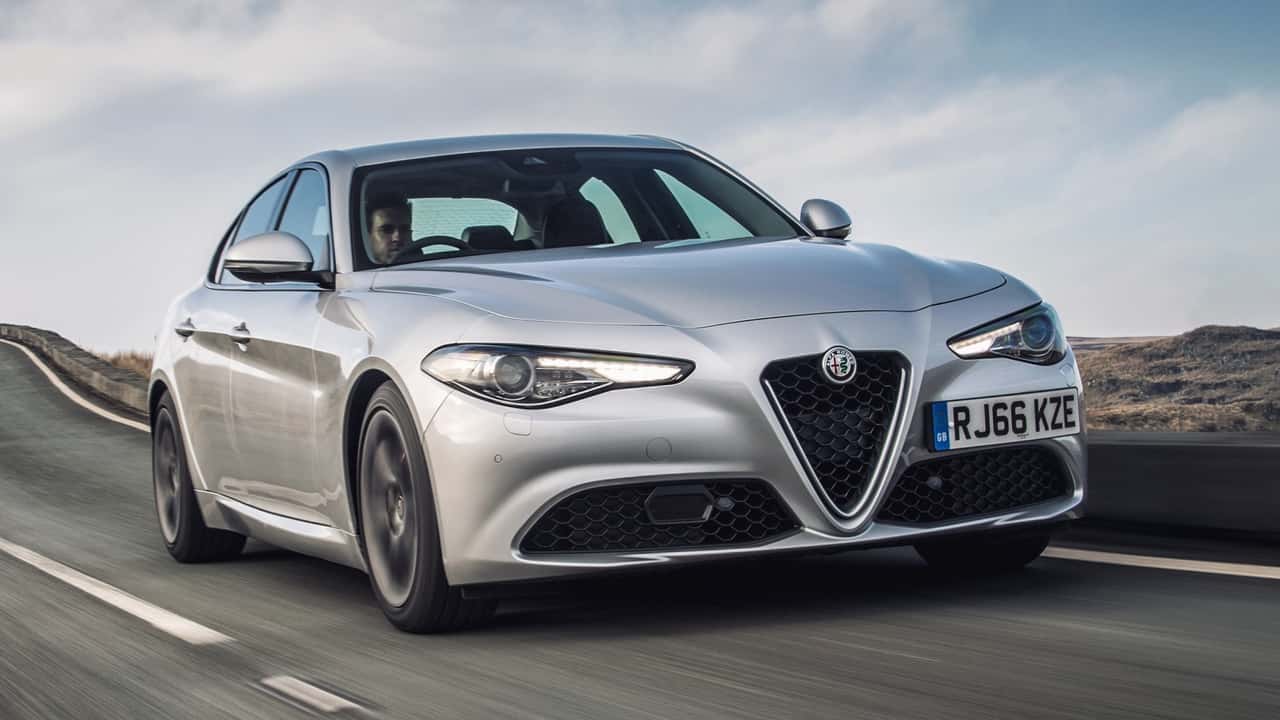


European brands may finally break into India's car market as the country prepares to slash import tariffs after decades of protectionism. The proposed trade agreement between India and the EU outlines a significant reduction in duties on EU-made combustion-engine cars, with tariffs set to fall from 110 percent to 40 percent for up to 200,000 units annually.
This move aims to promote competition and give local firms like Mahinda & Mahindra and Tata Motors a chance to thrive. However, certain conditions apply, including the exclusion of battery-electric vehicles from tariff cuts for the first five years.
The deal also sets a threshold of €15,000 (approximately $17,700) for cars eligible for the reduction, aiming to limit direct competition with mass-market offerings from firms like Maruti Suzuki. India's car market is expected to play a significant role in the EU's expansion plans, with forecasts suggesting that annual sales could reach 6 million by 2030.
The agreement may also benefit Indian textile and jewellery exports by providing access to new markets and reducing US tariffs. As the trade pact nears completion, European brands are poised to enter the Indian market, marking a significant shift in the country's automotive landscape.
This move is expected to bring much-needed competition to India's car market, ultimately benefiting consumers with greater choices and potentially driving innovation. However, it remains to be seen how local firms will adapt to the new landscape.