
Chrysler has undergone a significant leadership change, with Chris Feuell stepping down as the head of the brand. The transition marks a new era for the company, one that will be led by Dodge CEO Matt McAlear, who will take on dual responsibilities and helm both brands. This move is seen as an effort to streamline operations and improve efficiency across the two brands. As a result, the automotive industry can expect significant changes in the coming months. With McAlear at the helm, Chrysler looks poised for a renewed focus on innovation and growth. The company's future direction remains uncertain, but one thing is clear: change is on the horizon. The implications of this leadership shift will be closely watched by industry analysts and enthusiasts alike.
The departure of Chris Feuell has created an opportunity for Dodge CEO Matt McAlear to expand his role and bring a fresh perspective to Chrysler. As the new leader of both brands, McAlear will face significant challenges in navigating the complex landscape of the automotive industry. With the rise of electric vehicles and shifting consumer preferences, companies must adapt quickly to remain competitive. The success of this leadership transition will depend on McAlear's ability to balance the needs of both brands and drive growth. As the industry continues to evolve, it will be interesting to see how Chrysler responds to these changes.
The decision to have Matt McAlear lead both Chrysler and Dodge is seen as a strategic move by the company. By combining the resources and expertise of both brands, Chrysler aims to improve its overall performance and competitiveness. This approach also allows for greater flexibility and innovation, as McAlear can leverage the strengths of each brand to drive growth. However, this dual leadership structure also presents challenges, particularly in terms of managing conflicting priorities and maintaining consistency across both brands.
As Matt McAlear takes on his new role, he will be tasked with driving growth and innovation across both Chrysler and Dodge. The company's product lineup is already diverse, but McAlear will need to identify areas for improvement and develop strategies to increase sales and market share. With the rise of electric vehicles, the automotive industry is shifting towards more sustainable and environmentally friendly options. Chrysler must adapt quickly to remain relevant.
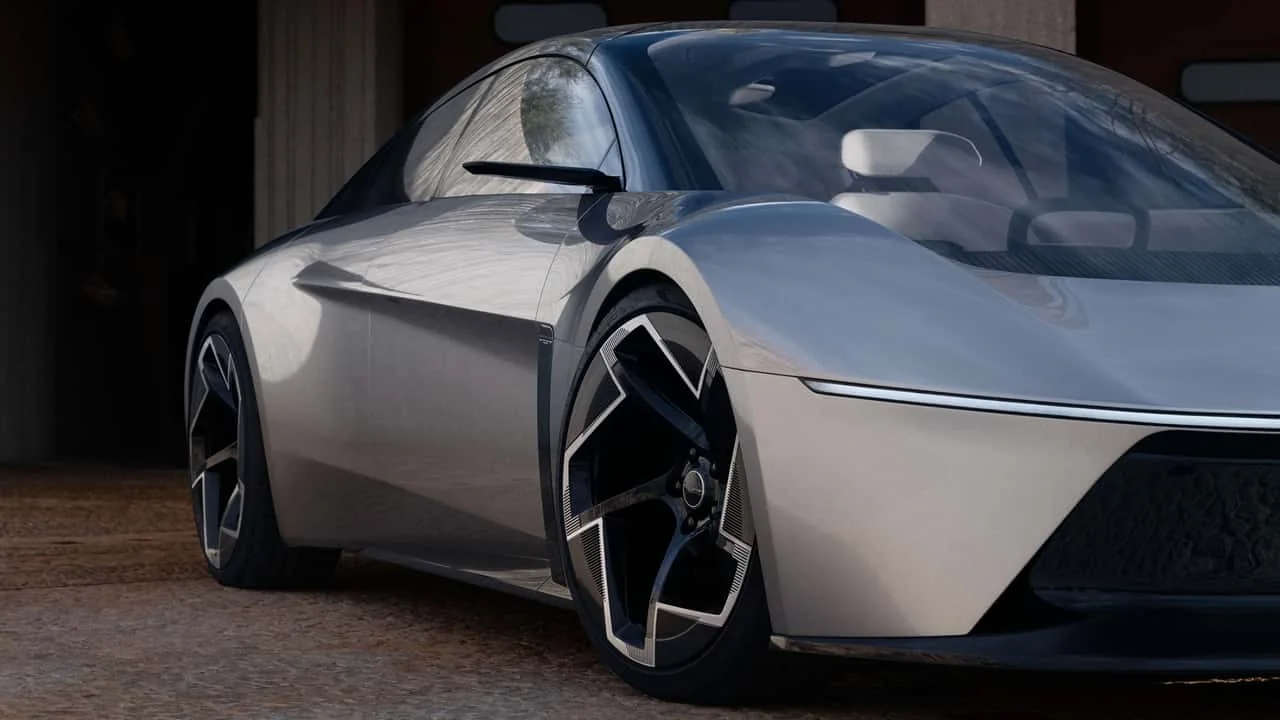
The leadership change at Chrysler also raises questions about the future of the brand's product lineup. With Matt McAlear at the helm, there are expectations that new models will be introduced in the coming months. The company has already announced plans for several new vehicles, including an electric variant of its popular 300 sedan. These new models will play a critical role in driving growth and increasing market share.
As the automotive industry continues to evolve, Chrysler must remain agile and responsive to changing consumer preferences. With Matt McAlear leading both brands, there is hope that the company can tap into this trend and drive growth through innovation and product development. However, the road ahead will be challenging, particularly in terms of managing the complexities of dual leadership.
The departure of Chris Feuell marks a significant change for Chrysler, one that will have far-reaching implications for the company's future direction. As Matt McAlear takes on his new role, he will face numerous challenges and opportunities. The success of this leadership transition will depend on McAlear's ability to balance the needs of both brands and drive growth. With the stakes high, the automotive industry is watching with bated breath.
In conclusion, the leadership change at Chrysler marks a significant turning point for the company. As Matt McAlear takes on his new role, he will face numerous challenges and opportunities. The success of this leadership transition will depend on McAlear's ability to balance the needs of both brands and drive growth. With the automotive industry continuing to evolve, Chrysler must remain agile and responsive to changing consumer preferences.