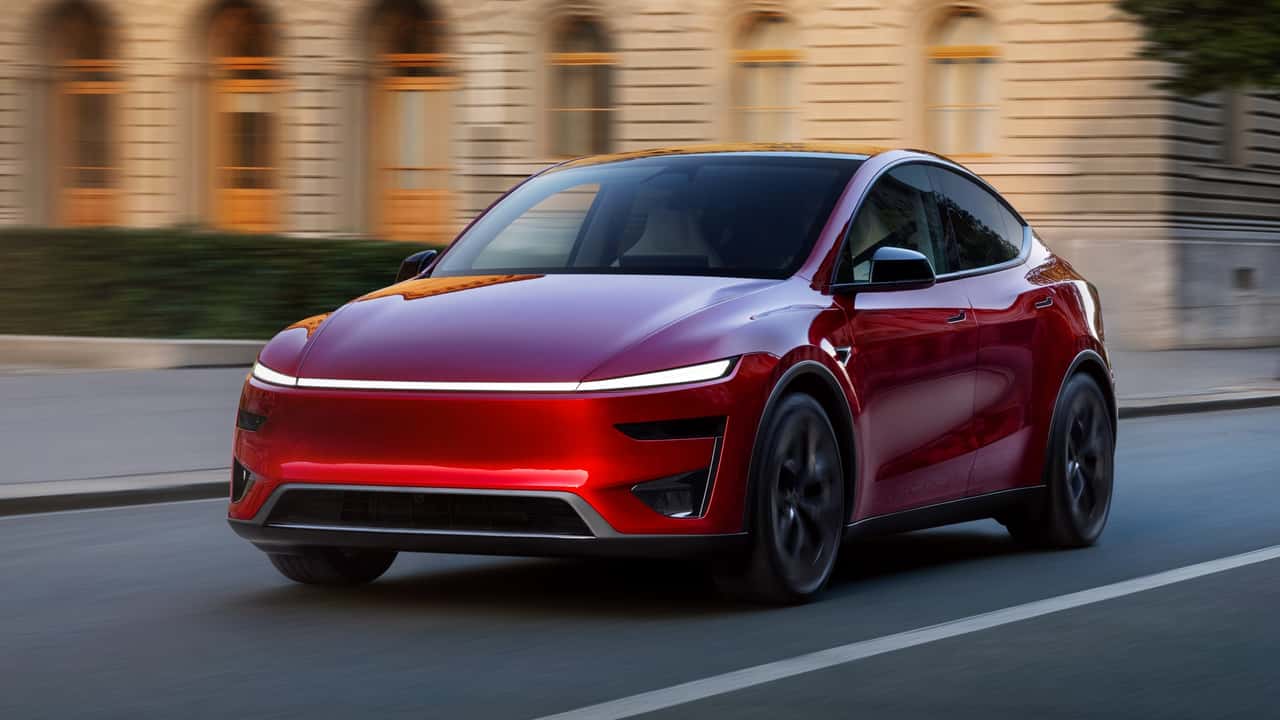

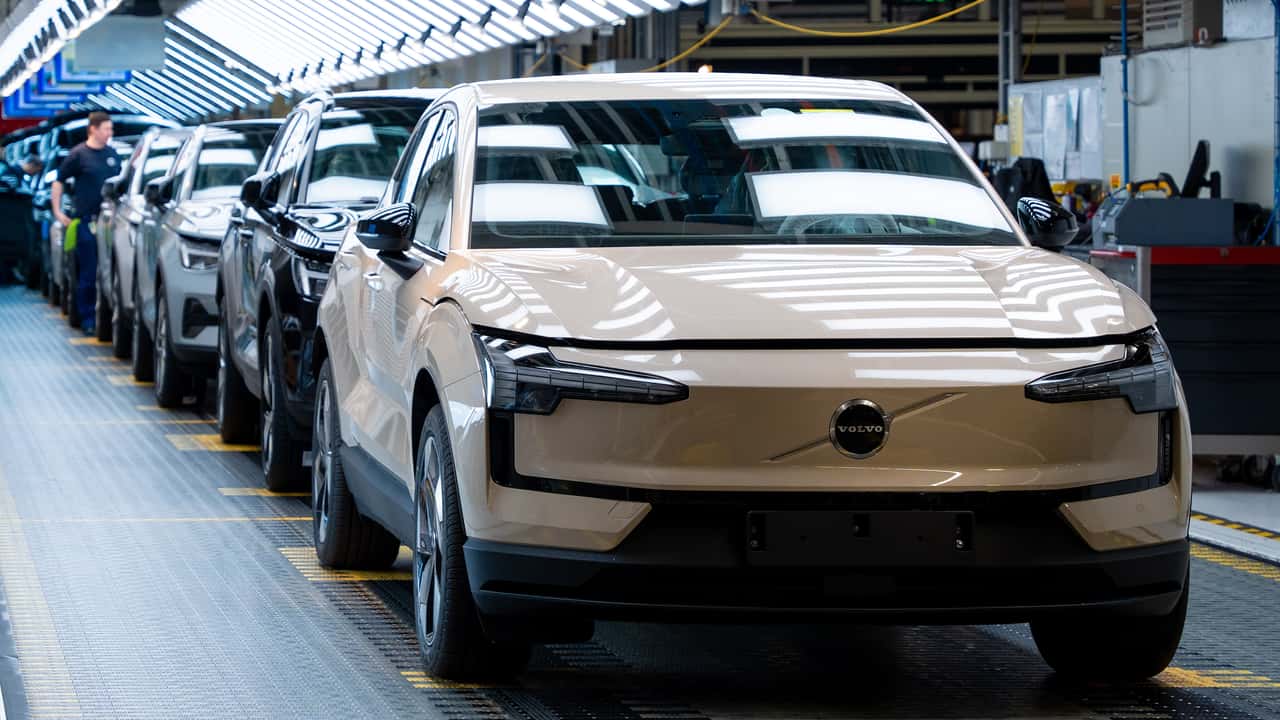
For the first time ever, electric vehicles (EVs) have outsold traditional gas-powered cars in Europe, marking a significant shift towards sustainable transportation. This milestone comes as no surprise to industry experts, who have been predicting a rise in EV sales for years. The surge in demand for EVs can be attributed to various factors, including increasing environmental concerns and the growing awareness of the negative impact of fossil fuels on the environment.
Governments across Europe have also implemented policies aimed at promoting the adoption of cleaner energy sources, such as tax incentives and investment in charging infrastructure. As a result, consumers are now more inclined to opt for EVs over traditional gas-powered cars. While geopolitical tensions have had an impact on global markets, they have not hindered the growth of the EV industry in Europe.
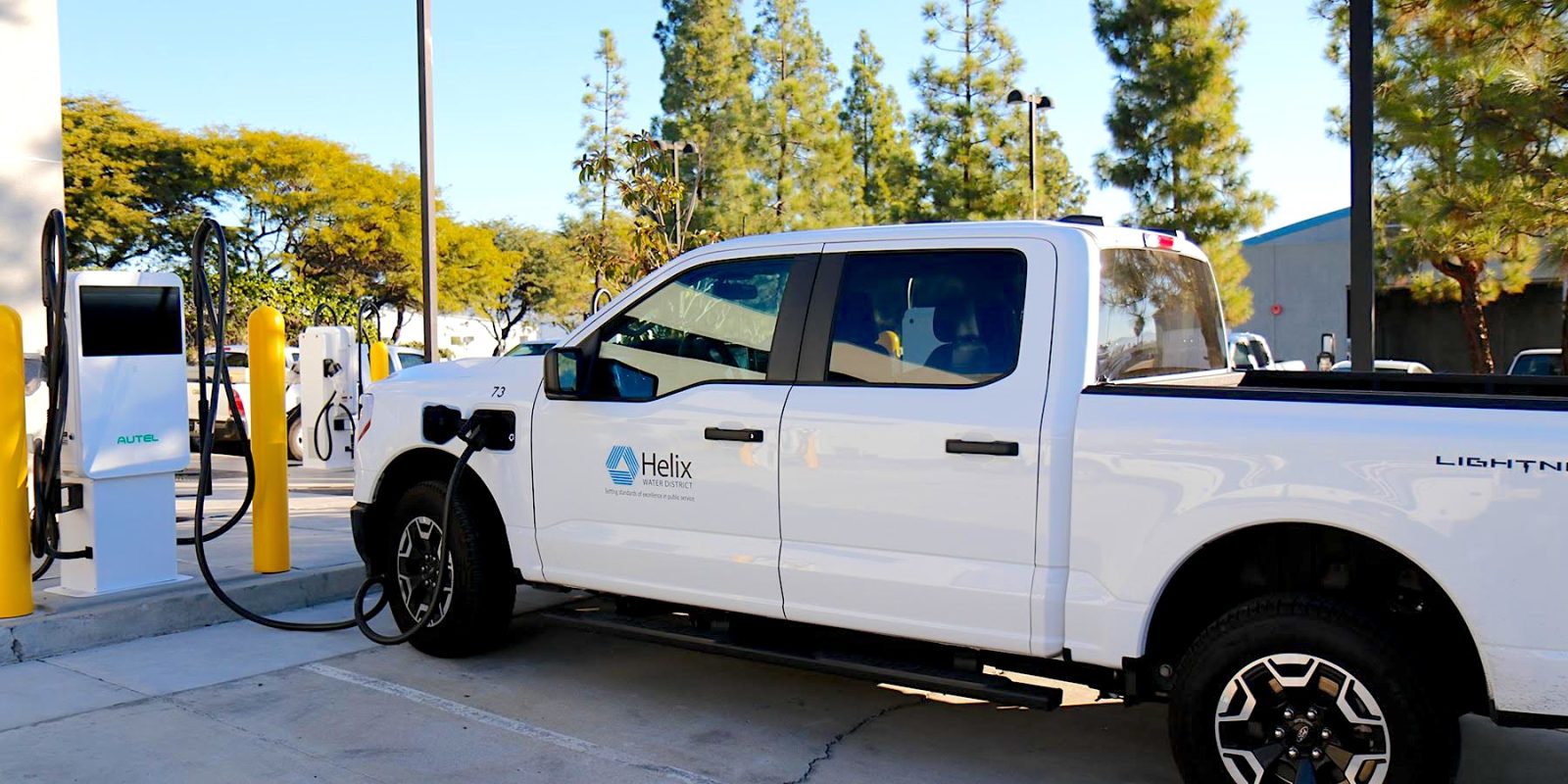
In fact, many European countries have taken steps to reduce their reliance on imported oil and increase energy security by investing in domestic renewable energy sources. The rise of EVs is also being driven by technological advancements, which have made them more affordable and accessible to a wider audience. With the increasing availability of charging infrastructure and the decreasing cost of batteries, EVs are becoming an increasingly viable option for consumers.
As the demand for EVs continues to grow, it is likely that we will see even more significant changes in the way people travel. The shift towards sustainable transportation has far-reaching implications for the environment, public health, and the economy, making this milestone a major step forward for Europe. Electric vehicles are now poised to play a leading role in shaping the future of transportation, and their impact is set to be felt for generations to come.
As we move forward, it will be crucial to continue investing in charging infrastructure and promoting sustainable energy sources to ensure that this growth can be sustained. The transition to EVs is not only a matter of environmental concern but also an economic opportunity that can drive innovation and job creation.