Sri Lankan authorities are facing a complex decision on what to do with the survivors of an Iranian warship it sank this week, as well as the crew of a second Iranian ship in its custody. The US is pressing Sri Lanka not to repatriate either group back to Iran, citing concerns over potential propaganda uses by Tehran. This move marks a significant escalation in the conflict between the two nations and highlights the growing global reach of the Iranian navy. As tensions rise, it remains to be seen how Sri Lanka will navigate this sensitive situation and balance its relations with both countries.
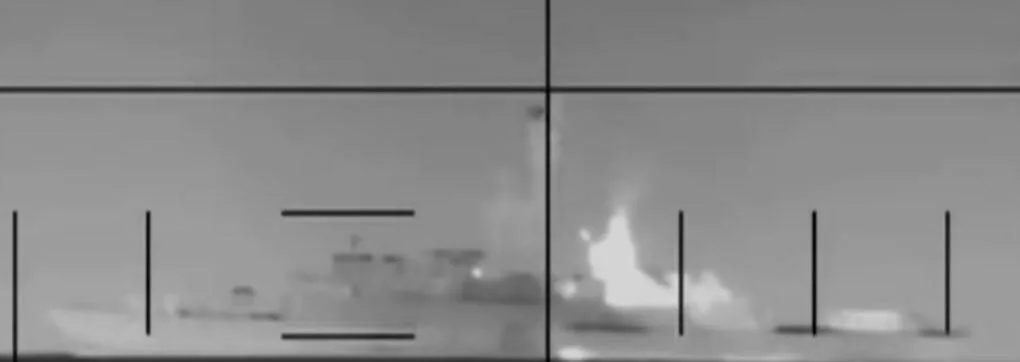
The incident has sparked widespread outrage across the region, with dozens of sailors killed and many more injured in the attack. The US submarine that sank the Dena frigate was armed at the time of the strike, and a warning was not provided before carrying out the action. This raises questions about the level of transparency and cooperation between the two nations.
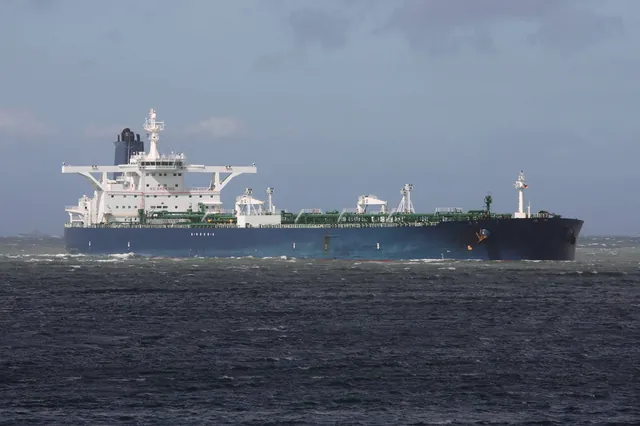
Sri Lanka has a 'humanitarian responsibility' to take in the crew, according to President Anura Kumara Dissanayake. The country has already begun offloading 208 crew members from the Booshehr vessel, which had become stranded in its exclusive economic zone but outside its maritime boundary. This move is seen as a significant step towards mitigating the humanitarian impact of the conflict.
The torpedoing of the Dena marks the first such action by the US since World War Two and signals a clear sign of the Iran conflict's widening geographic scope. The Iranian army has confirmed that at least 104 people were killed and 32 wounded in the attack, with many more still missing. As the situation continues to unfold, it is essential to prioritize the safety and well-being of those affected.
The US State Department cable reveals that Jayne Howell, the charge d'affaires at the US embassy in Colombo, had emphasized to Sri Lanka's government that neither the Booshehr crew nor the Dena survivors should be repatriated to Iran. This move is seen as a clear attempt by Washington to limit Tehran's ability to use the detainees for propaganda purposes.
The decision on what to do with the Iranian sailors in Sri Lankan custody will have significant implications for regional stability and security. As the conflict continues to escalate, it is crucial that all parties involved prioritize diplomacy and cooperation to prevent further escalation.
Sri Lanka has a long history of navigating complex international situations, but this incident poses significant challenges due to its proximity to major global powers. The country's sovereignty will be put to the test as it navigates this delicate situation and balances its relations with both Iran and the US.
The incident highlights the need for greater transparency and cooperation between nations in the region. As tensions rise, it is essential that all parties involved prioritize diplomacy and cooperation to prevent further escalation and promote regional stability.
As the situation continues to unfold, it remains to be seen how Sri Lanka will navigate this sensitive situation and balance its relations with both countries. The international community will be watching closely as this complex conflict plays out in the region.