
The Middle East has been hit hard by the ongoing conflict, with oil and natural gas exports from the region severely disrupted. The U.S.-Israeli war on Iran has forced production stoppages from Qatar to Iraq, with Kuwait announcing cuts over the weekend. This disruption is expected to have far-reaching consequences for global energy markets.
Analysts predict that the United Arab Emirates and Saudi Arabia will also have to cut output soon as they run out of oil storage. The region's oil production has already been impacted by the conflict, with Iraqi output collapsing to just 1.3 million barrels per day from 4.3 million barrels per day before the war.
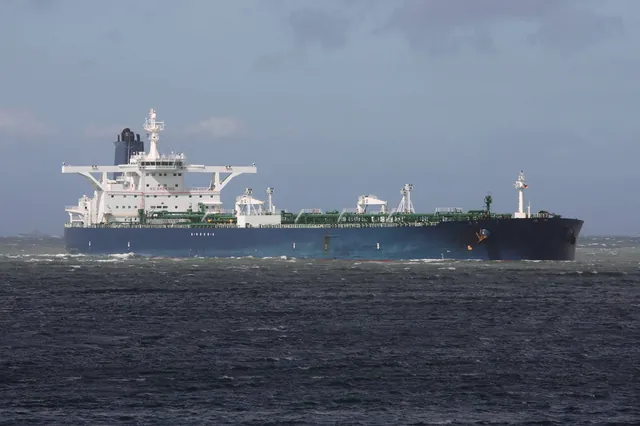
The Strait of Hormuz, a key artery for global oil and LNG supply, has been largely closed due to attacks on ships in the area. This has resulted in significant delays and disruptions to the global energy market. The United Kingdom Maritime Trade Operations (UKMTO) has reported several attacks against ships in the region since March 1.
Major marine insurers are cancelling war-risk coverage for vessels operating in Iranian, Gulf and adjacent waters, leaving shipowners with limited options for insurance. This move is expected to increase shipping costs and reduce confidence in the region's ability to transport oil safely.
The U.S. government has offered assurances that it will escort tankers through the Strait of Hormuz, but analysts doubt this will be enough to restore normal operations. The UKMTO reports that GPS and AIS interference has intensified, with 1,650+ vessels now affected across 30 jamming clusters stretching from Kuwait to Oman.
The disruption to oil production in the Middle East is expected to have a significant impact on global energy markets. Chinese refiners are shutting crude units or advancing planned maintenance due to disrupted crude flows. Other refineries in Asia are also cutting runs, leading to concerns about fuel shortages and increased prices.
India is particularly vulnerable to the disruption, with its crude oil stock covering only about 25 days of demand. The country has scrambled for alternatives, ramping up Russian oil imports following the U.S. Treasury 30-day waiver. India has also cut domestic gas supplies to industries, including fertilizer producers, and ordered its refineries to prioritize production of liquefied petroleum gas (LPG) used for cooking.
Indonesia plans to increase U.S. crude imports to offset reduced Middle East supply. Alternative supplies from Brazil, West Africa and the U.S. are possible but take over a month to reach Asia and are costlier amid soaring freight rates. The disruption to oil production in the Middle East is expected to have far-reaching consequences for global energy markets.
The impact of the conflict on global energy markets will be felt for months to come. As the situation continues to evolve, it is likely that prices will remain volatile and fuel shortages may become more widespread.