The South African Veterinary Association (SAVA) has taken a strong stance against the export of live animals by sea for slaughter at destination. This move is part of an international trend, as many other veterinary associations have condemned this practice due to its inherent animal welfare concerns. The SAVA's formal position statement highlights the need for stricter regulations and enforcement mechanisms to protect the well-being of animals during transportation.
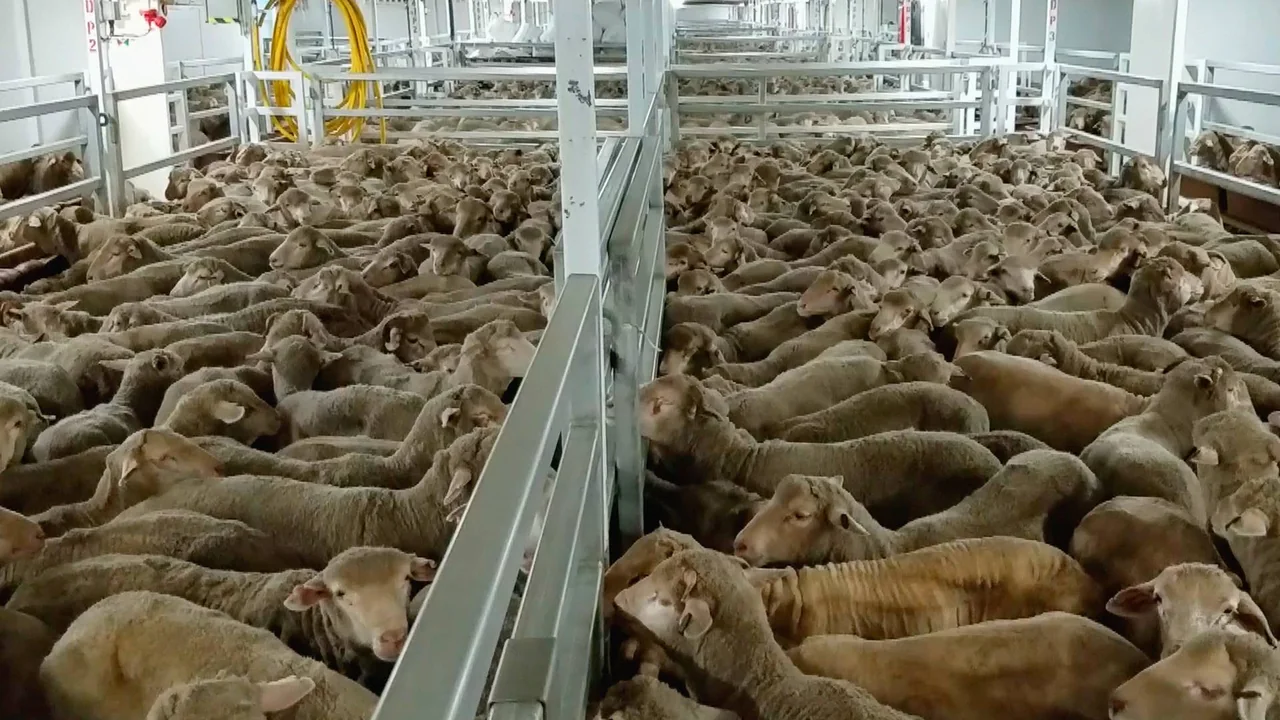
The scientific community has been warning about the risks associated with live animal export by sea for years. Research has shown that thermal stress, ammonia accumulation, physical impact from ship motion, and infectious disease are just a few of the inherent harms that animals face during these journeys. The SAVA's statement draws on this extensive research to emphasize the need for change.
The National Council of SPCAs (NSPCA) has commended the SAVA's position statement, praising the veterinary profession for finally finding its voice against this inhumane practice. Dr Bryce Marock, Consulting Veterinarian at the NSPCA, notes that the science has always been clear on this issue, but it was time for the veterinary community to speak with one voice.
The draft regulations published by the Department of Agriculture in July 2025 have sparked controversy among animal welfare advocates. The NSPCA has lodged a detailed submission in opposition to the draft regulations, citing their inadequacies and lack of enforcement mechanisms. The organization argues that the regulations fail to provide adequate safeguards for animals during transportation.
The absence of criminal sanctions, administrative fines, and meaningful enforcement mechanisms in the draft regulations is particularly concerning. Furthermore, the proposed embargo on shipments to the Middle East during the hottest period of the year is woefully inadequate. This lack of protection puts animals at risk of fatal heat stress and other serious health issues.
The SAVA's statement has sent a clear message that animal welfare must be prioritized in international trade. The veterinary profession cannot ignore the science on this issue any longer. It is time for governments to take action and implement regulations that protect the lives of animals during transportation.
The live animal export ban by sea is a step in the right direction, but it is not enough. More needs to be done to address the systemic problems associated with this practice. The SAVA's statement serves as a call to action for governments, industries, and individuals to work together to create a more sustainable and compassionate transportation system.
The international community must continue to raise its voice against live animal export by sea. This inhumane practice has no place in modern society. By supporting the SAVA's position statement and advocating for stronger regulations, we can help ensure that animals are treated with dignity and respect during transportation.
As the debate around live animal export by sea continues, it is essential to remember that science and compassion must guide our actions. The SAVA's statement is a powerful reminder of the need for change and the importance of prioritizing animal welfare in international trade.
The veterinary profession has finally found its voice against the inhumane practice of live animal export by sea.